



2025 deadliest year for Diaspora Jews in 30 years
TAU study finds shift to violent antisemitism; Australia, Canada record highest yearly incidents ever.
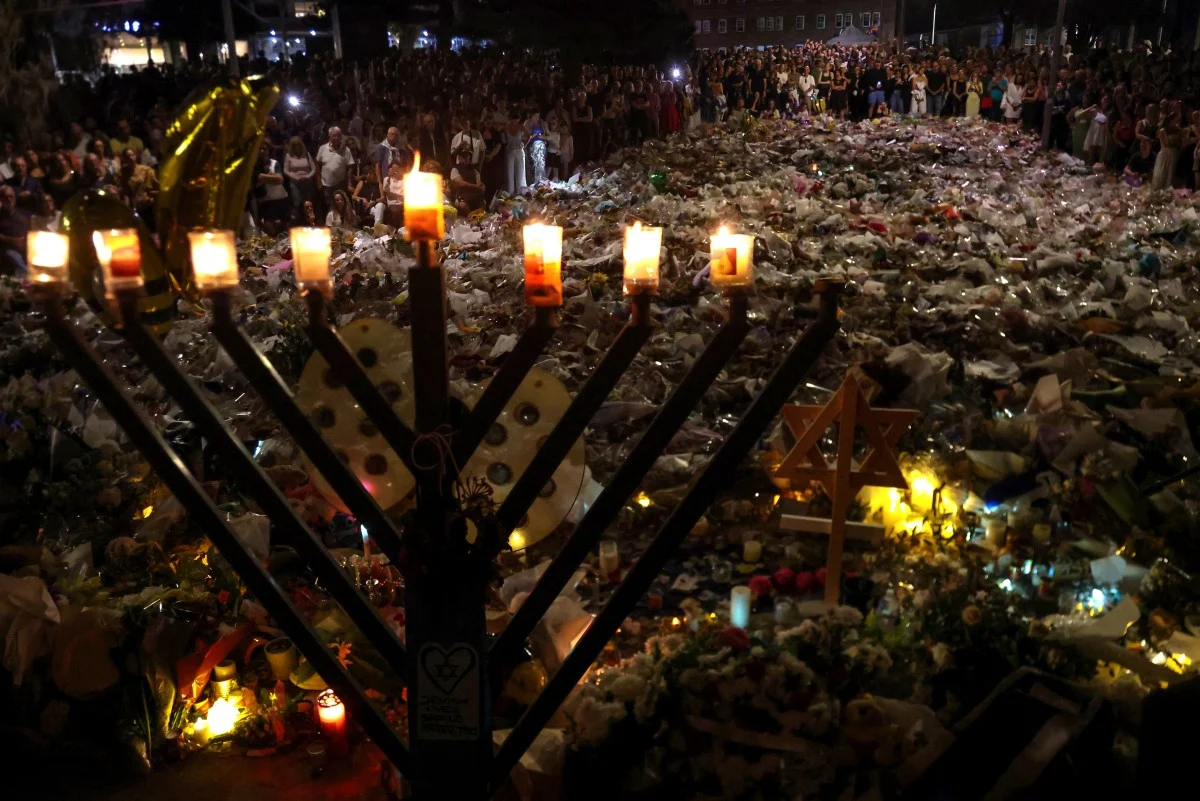
The year 2025 saw an alarming surge in violent attacks against Jews in a year when more Diaspora Jews were murdered in antisemitic incidents than in any other year in the previous three decades, a report published Monday by Tel Aviv University said.
While total counts of antisemitic activity, including vandalism, verbal threats, and harassment, fell in many countries during 2025 compared to 2024, violent incidents, such as beatings or stone-throwing, became more commonplace, according to the annual report on antisemitism in the world published by TAU’s Center for the Study of Contemporary European Jewry and the Irwin Cotler Institute for Democracy, Human Rights and Justice.
In every Western country, the total number of antisemitic incidents remained dozens of percentage points higher than in 2022, the year preceding the October 7, 2023, massacre that sparked the war in Gaza, the report noted.
Twenty Jews were murdered in four incidents across three continents during the year as Jew hatred became a “normalised reality,” said Prof. Uriya Shavit, the study’s editor-in-chief.
The last year that more Jews were killed in the diaspora was 1994, when a suicide bomber drove a bomb-laden van into the Asociación Mutual Israelita Argentina building in Argentina, killing 85 people and injuring hundreds more.
Australia and Canada saw their highest yearly numbers of antisemitic incidents ever.
“The steep increase in the number of cases of severe violence is not surprising,” Shavit said. “The rule that applies to all types of crime applies here as well: when law-enforcement authorities are indifferent to small crimes, the result is big crimes.”
Part of the reason it is so difficult to prevent antisemitic attacks is that many antisemitic attacks are carried out by “lone wolf” attackers who are not operating within any organisational framework, a separate study published alongside the report found.
The TAU report is based on data originating from dozens of law-enforcement authorities around the world, as well as specialised commissions, Jewish communities, reports in the media, and interviews and fieldwork by the researchers, it said.
Increasing violence
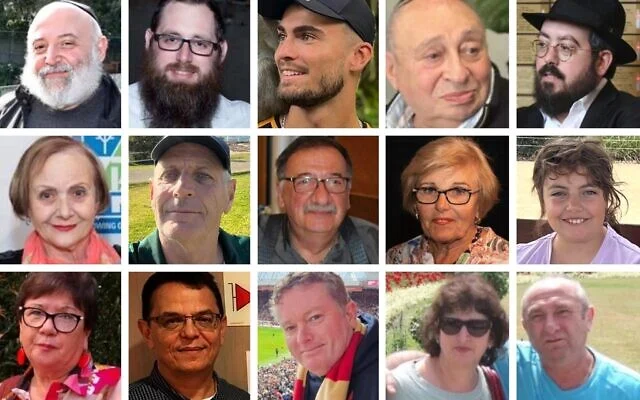
Australia had some of the most alarming data, the report found, with a total of 1,750 attacks during 2025, compared to 1,727 in 2024, culminating in the Hanukkah massacre at Bondi Beach in which 15 Jews were murdered. This compares with 1,200 incidents in 2023 and 472 in 2022. Attacks continued to rise even after Israel and Hamas agreed to a ceasefire in October: there were 588 incidents recorded in October–December 2025, compared to 492 in the same period of 2024, the study said.
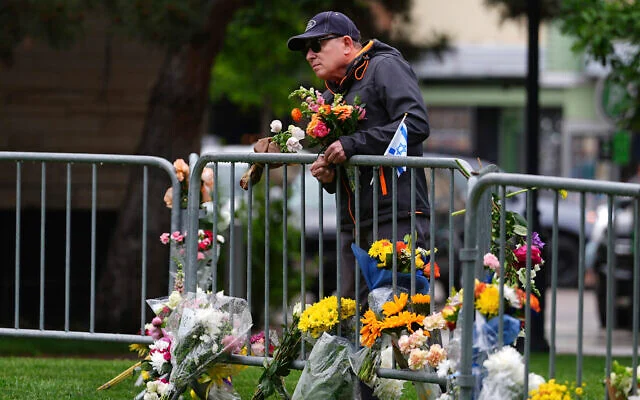
In the United States, reported incidents varied across regions. In New York, the largest Jewish city in the world, the number of incidents declined from 344 in 2024 to 324 in 2025. Los Angeles, home to the country’s second-largest Jewish population, was the only major city in the US unable to produce data on anti-Jewish hate crimes for the second straight year. The worst attacks of the year included the May 21, 2025, killing of two Israeli Embassy staff members, Yaron Lischinsky and Sarah Milgrim, outside the Capital Jewish Museum in Washington, DC, and the killing of Karen Diamond on June 1 in Boulder, Colorado, after a man shouting “Free Palestine” threw incendiary devices at participants in a pro-Israel march.

In Britain, the total number of incidents increased from 3,556 in 2024 to 3,700 in 2025, compared with 4,298 in 2023 and 1,662 in 2022. Four incidents of extreme violence were recorded during the year, the most grievous being the October 2025 terror attack on the Heaton Park Synagogue in Manchester on Yom Kippur in which two people were killed. As in Australia, a rise in incidents was recorded post-ceasefire, from 741 in October–December 2024 to 1,078 in the parallel period of 2025.
In France, the country with the third-largest Jewish population after Israel and the United States, the total number of incidents declined from 1,570 in 2024 to 1,320 in 2025. However, the number of incidents involving physical violence rose from 106 in 2024 to 126 in 2025.

In Germany, 5,729 antisemitic incidents were reported in 2025, compared with 6,560 in 2024. In Belgium, the number of incidents increased from 129 in 2024 to 232 in 2025, and the number of physical assaults increased from 27 to 32.
Data from smaller Jewish communities showed complex trends as well, the report found. In Mexico, 70 incidents were recorded in 2025 compared with 53 in 2024. In South Africa, 95 incidents were recorded in 2025 compared with 128 in 2024. In Italy, 963 incidents were recorded in 2025 compared with 877 in 2024, including 11 cases of physical assault compared with eight, respectively. In Chile, 27 incidents were recorded compared with 51. In Spain, 207 incidents were recorded compared with 193. In New Zealand, there were 143 incidents in 2025 compared with 131 in 2024, of which five were physical assaults compared with two, respectively. In Bulgaria, 55 incidents were recorded compared with 50 the previous year.
Individual extremist attackers
A separate study analysing dozens of indictments and court rulings shows that many attacks are carried out by “lone wolves” who come mainly from two entirely different political extremes – white Christians devoted to “white supremacy” on the one hand, and anti-Zionist Muslims on the other.

“The attackers represent a wide variety of ages, geographical areas, and ethnic backgrounds,” said Dr Carl Yonker, the director of the research. “Among them is a high proportion of unemployed people and, more generally, of people to whom life has not smiled.”
The penetration of blatant antisemitism, including admiration for Hitler and Holocaust denial, into the mainstream currents of the Republican Party is cause for existential concern, Yonker noted. Social media makes the fight against this phenomenon especially difficult, and perhaps impossible, he added.
The report harshly criticised the Israeli government’s role in the global fight against antisemitism, saying that “the government did not carry out even a single significant and effective action and often caused harm.”
Israeli politicians at the highest levels steadily “expanded the scope of the term ‘antisemitism,’ including through cynical and hasty declarations, drained it of meaning, and damaged the struggle against Jew-hatred,” the report’s authors said.
- News
- Antisemitism Worldwide Report for 2025
- Tel Aviv University
- Antisemitism
- Bondi Beach terror attack
- Yaron Lischinsky
- Sarah Milgrim
- Heaton Park Synagogue
- Reuven Morrison
- Rabbi Yaakov Levitan
- Dan Elkayam.
- Alex Kleytman
- Rabbi Eli Schlanger
- Edith Brutman
- Peter Meagher
- Tibor Weitzen
- Marika Pogany
- Matilda
- Tania Tretiak
- Boris Tetleroyd
- Adam Smyth
- Sofia and Boris Gurman
comments