



2026 Israeli elections: What you need to know
38 parties are competing for 120 seats in the Knesset; only about 11 of them are expected to enter parliament.
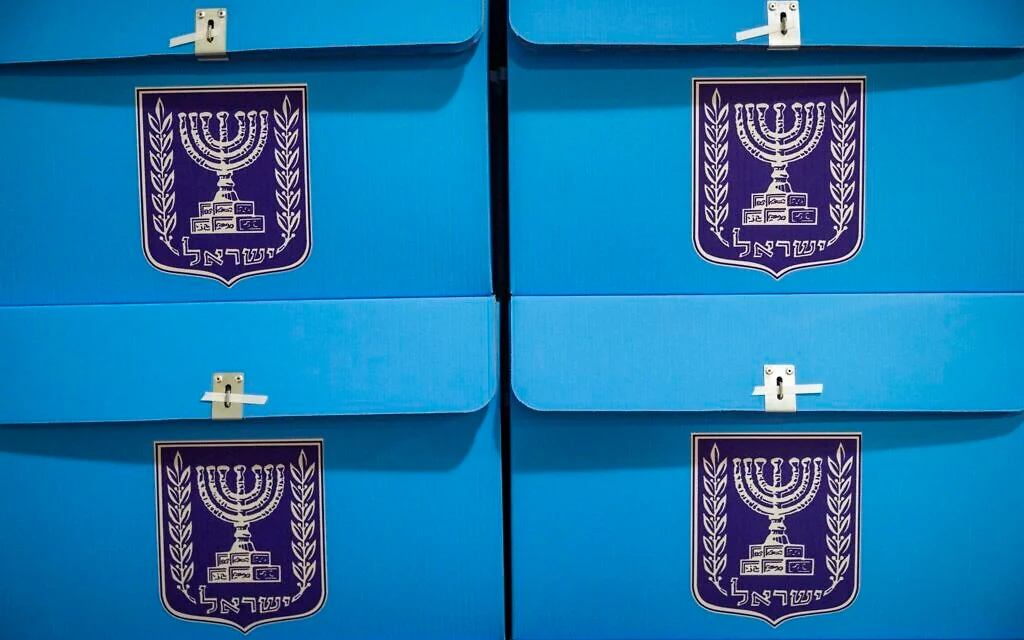
(THE TIMES OF ISRAEL) On October 27, Israelis will cast their votes in a process that will determine who is prime minister and who sits in the 120-seat parliament, the Knesset. Since the country’s founding in 1948, there have been 14 prime ministers and 25 parliaments. The process from the ballot box to determining the next premier is complicated.
Here’s how it works.
1. What are people actually voting for?
Technically, the vote cast is for a party. The leader of the party that garners the most votes, however, is most likely to become prime minister, provided they can form a government. But that does not happen right away. The formal election results, due to be published no later than November 4, only set the process of forming a government and choosing a prime minister in motion.
2. How many people and what percentage of the Israeli population are eligible to vote?
Some 7,331,981 Israelis are eligible to vote, which is 71.15% of the overall population of 10,305,000. In the last election in 2022, there were 6,788,804 eligible voters, who made up 70.31% of the population of 9,656,000. Voter participation in Israel is typically high, and in that election, 70.63% of the eligible voters, 4,794,593 people, cast their votes.
3. How many votes does a party need to be in the Knesset, and how many parties are expected to secure that amount?
To enter the Knesset, a party needs the support of 3.25% of the votes cast, known as the threshold. That figure is the equivalent of four seats, known as mandates. Based on multiple recent polls, out of 38 registered parties, only 11 are expected to receive such support. Another four hover close to it.
comments