



9 things you didn’t know about Rosh Hashanah
We're guessing that even the most experienced holiday observer won't know all of these facts about the holiday.
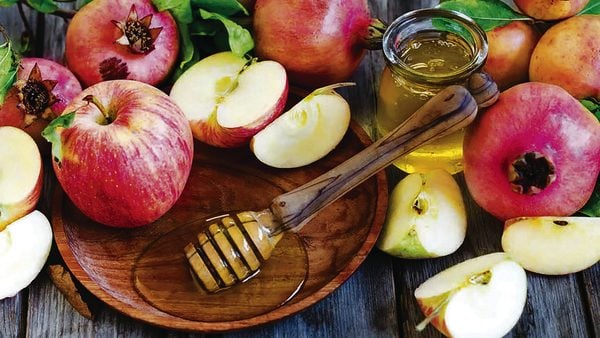
Rosh Hashanah, the Jewish New Year, is known for apples dipped in honey, record synagogue attendance and as the kickoff to the Days of Awe, which culminate in Yom Kippur, the Day of Atonement. We’re guessing that even the most experienced holiday observer, however, won’t know all of these facts about the holiday:
1. It’s traditional to eat a fruit you haven’t eaten for a long time on the second night of Rosh Hashanah.
This tasty custom is often observed by eating a pomegranate, a fruit rich in symbolism (and nutrients). It developed as a technical solution to a legal difficulty surrounding the recitation of the Shehechiyanu blessing on the second day of the holiday. Use it as an excuse to scout out the “exotic fruit” section at your local greengrocer.
2. Apples and honey (and pomegranates) aren’t the only symbolic foods traditionally enjoyed on Rosh Hashanah.
Other foods traditionally eaten to symbolise wishes for prosperity and health in the new year include dates, string beans, beets, pumpkins, leeks – and even fish heads. Sephardic and Mizrahi Jews often hold Rosh Hashanah seders in which a blessing is said for each food and they are eaten in a set order. If you want to try this but are a vegetarian or just grossed out by fish heads, consider using gummy fish or fish-shaped crackers instead.
comments