



A chance to reflect
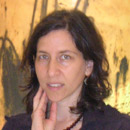 SIDRA KRANZ MOSHINSKY
HAPPY new year! And wondering how the books r going?” I message her. The books in question are the three volumes of the Millennium trilogy by Stieg Larsson, which I’d been raving about only three days earlier. “I am almost finished the first one if that gives u an idea. Great stuff, thanks!”
And with that swift reply, I am hit with a pang of jealousy and sense of regret. My friend was just beginning the series and I’d already finished the third and final volume. Done. Dusted. Gone. Yet letting go was proving difficult. I’d spaced the reading of these books to coincide with breaks over the past year.
They had provided escapism and vicarious adventure just when I needed them most. My feeling of melancholy about this loss of sorts — no more Lisbeth Salander, no more Mikael “Kalle” Blomkvist -— was not helped by knowing that Larsson had planned a decalogue, but died before he saw even the first of the volumes published. If only he had lived, I think to myself, rather selfishly.
In farewelling these books, it’s almost like losing a friend, or rather a companion. This gets me thinking about other books I had “befriended” over the year, including: Sonya Hartnett’s Butterfly, Christos Tsiolkas’ The Slap, Colm Toibin’s Brooklyn, Tim Winton’s Breath, Leo Tolstoy’s Anna Karenina (again) and Marilynne Robinson’s Home.
In their own ways, these books spoke to me, questioned me, provided answers, captured my heart and heightened my sense of wonder. They were good company, despite their inanimate nature. I’ll never look at waves in the same way after reading Breath, and the character of Glory Boughton in Home, with her tendency to “take things too much to heart”, reminds me yet again just how sad some people’s lives can be.
New Year’s Day, and thereabouts, offers the time and space to look back over the year in a way that is quite different from the days around Rosh Hashana. Falling within the summer holidays, the secular new year feels less intense, more conducive to rummaging through the “stuff” one accumulates in a year -— physical, digital, emotional -— discarding the dross and retaining the valuable.
I take the opportunity of the quiet day to flick through the pages of the week-to-a-view family diary before replacing it with the 2010 edition. So many entries, ranging from regular to singular events (many more of the former, a scattering of the latter): the basketball training sessions and matches, swim squad meetings, after-school classes of various complexions, school functions, birthday parties —- quite a few fortieths, family gatherings, bar and bat mitzvahs, two new babies and (only) one funeral. The diary also includes various lectures, festivals and other worthy events I had hoped to get to (pencilled in with question marks) but too often missed.
Looking through the diary reminds me of standout moments in the year, though their nature is such that they can’t be seen on the page: the making of new friends; rediscovering bike-riding -— with the exhiliration of going downhill fast; almost bursting into tears at the beauty of a huge yellow moon as I drive to a yoga class at dawn; a run in the pouring rain, getting wetter than ever before; sitting with a friend on a park bench by a river on a sunny day in early summer; finding the perfect bread, a new cafe and a herbal supplement that does me wonders.
Other “invisible” moments include completing my first sudoku, getting the nine-letter word more often than not, being part of the groundswell of people power that got the superquiz reinstated. And more serious moments too: sharing a friend’s sadness and difficulties; listening to a colleague speak out courageously and with integrity when things were not done right. “These moments of beauty cannot be held, but did exist.”
There’s so much more to reflect upon: the events that occurred outside of the family diary (Obama’s inauguration, the fires of February, elections in Israel, Rom Houben’s consciousness being discovered after doctors assumed he had been in a coma for 23 years ‚Ķ) and the things I didn’t do but wanted to and hope I still will.
But a fitting place with which to begin the new year, and with it the “tenties”, is with the words of Pulitzer Prize-winning commentator Ellen Goodman (in her final column after 46 years of writing, published on New Year’s Day 2010), “January, after all, is named for the Roman god of beginnings and endings. He looked backward and forward at the same time. So, this morning, do I.” As do many of us on a quiet New Year’s Day.
Sidra Kranz Moshinsky is a Melbourne-based writer and teacher.
comments