



On October 7, 2023, journalist Amir Tibon, his wife Miri, and their two young daughters spent 10 harrowing hours locked inside the safe room of their home in Kibbutz Nahal Oz, while Hamas terrorists stormed their community.
Outside, gunfire rattled windows, militants shouted in Arabic, and their once-idyllic kibbutz became a war zone.
Inside, silence was survival.
“My wife and I were asking our two young daughters – the older one 3.5 years old, and the little one just two years old – to trust us and remain silent in the dark room while terrorists were firing into our living room and shouting outside our window,” Amir told The AJN when discussing his book, The Gates of Gaza in October 2024.
Now, the family’s story is the subject of Barry Avrich’s new documentary The Road Between Us: The Ultimate Rescue.
The film had its world premiere at the Toronto International Film Festival. Its screening was temporarily withdrawn due to legal concerns around Hamas footage, sparking controversy and accusations of censorship, before it was reinstated, going on to win TIFF’s People’s Choice Award in the documentary category.
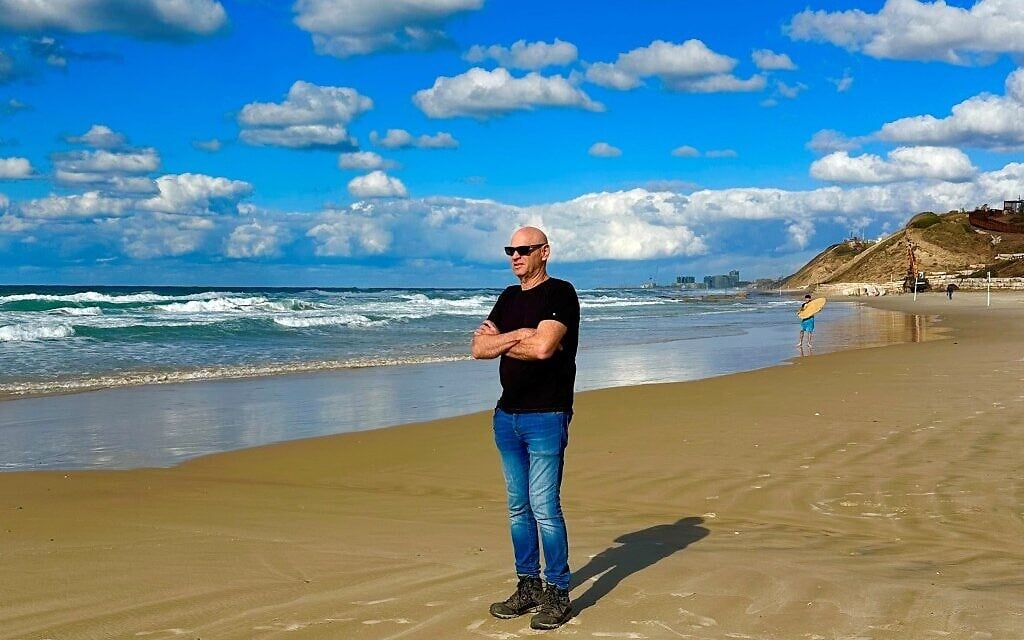
The film opens with the moment Amir sent a text to his father, retired Major General Noam Tibon, who spent 35 years in service and told Australian audiences on a visit here that he “knew what terrorists are capable of”.
The message simply said that terrorists had invaded the kibbutz and were entering homes. At the time, Noam was some 85 km away in Tel Aviv.
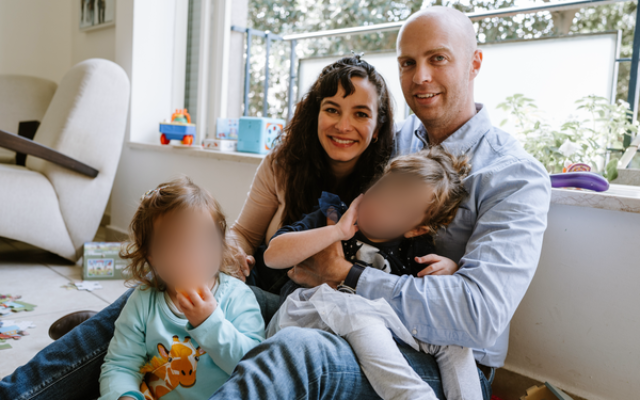
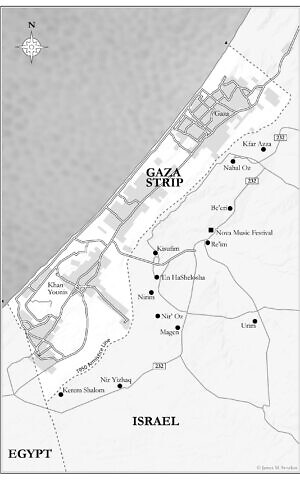
Amir, a journalist for Haaretz, later recounted the family’s experience, sharing with The AJN how the family understood the close proximity of the kibbutz to the Gaza border. When a rocket is fired, residents on Nahal Oz have only seven seconds to reach a shelter. And unlike most of Israel, it is not protected by the Iron Dome.
Yet despite all of this, Tibon and his wife, Miri, made the kibbutz their home. They never imagined it would ever be overrun with terrorists. His voice in the film and his writings help centre the narrative: this was not just a military operation, but a family under siege, holding onto hope in darkness.
In the darkness, Amir and Miri promised their daughters that their grandfather would come – but only if they were quiet. He admitted that it tested his faith. “I told myself that if I was asking these two little girls to have faith in their parents, then I should also have faith in mine and believe that they are coming to help us,” Amir said.
Noam, meanwhile, had no intention of waiting for the army to rescue those stuck in the Gaza Envelope. While the morning had started off innocently enough with a swim at the beach, soon after the sirens began in Tel Aviv, they received a message from Amir. They had no idea how bad things were, but Noam and his wife Gali, knew they had to do something.
They drove in their jeep, Gali at the wheel, along the road from Tel Aviv to Nahal Oz, passing abandoned, burning cars and bodies strewn by the roadside.
Checkpoints constantly blocked their passage, but with each stop, the pair pushed through. “They stopped us and I said, ‘You know what? We are going. It’s our son. It’s our granddaughters. If you want you can shoot me. We are going,'” Gali told CBS news in an interview in the week following the attack.
At one point, they diverted from roads and traveled through fields to bypass blocked roads. Along the way they encountered other survivors, including two people fleeing the Nova music festival massacre.
Noam and Gali turned back momentarily to rescue them before continuing toward Nahal Oz. There were moments when they found themselves in the terrorists’ fire and moments when they stood side-by-side with the army who were finally making their way towards the kibbutzim. They also encountered wounded Israeli soldiers whom they helped evacuate to safer locations. At one point, they split up with Gali taking wounded soldiers to hospital while Noam continued toward Nahal Oz, joining other retired officers and civilians to push towards the kibbutz.
Inside the safe room, time moved slowly for Amir and his family. With no electricity, no bathroom, dwindling food and water, and eventually dead phones, the only light Amir had was from his daughter’s glow-in-the-dark dummies.
Rescue forces outside began clearing houses, engaging terrorists in combat as they went along.
And then came the moment of salvation. As gunfire outside shifted in sound, hope flickered. Finally, Amir and Miri heard a knock and a voice. Noam.
The Road Between Us captures this deeply personal story with cinematic intensity, but it also points to the wider failures of that day. For Noam, the rescue is inseparable from the larger national tragedy.
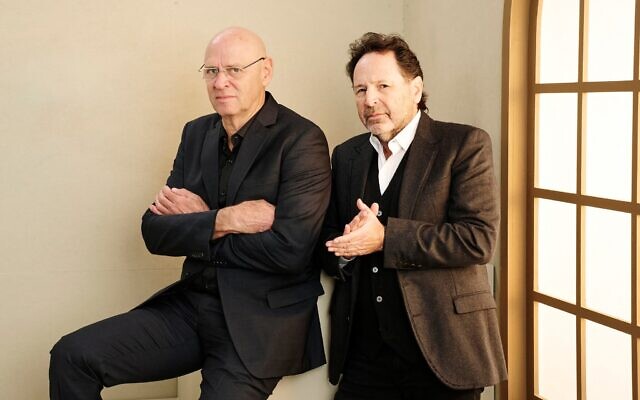
On a visit to Australia, he and Gali reiterated that their story is not just about bravery, but about a system that left ordinary people to fend for themselves.
The film’s narrative is profoundly personal. It’s not a film about geopolitics first; it is about a family betrayed by the chaos around them, and a father who would not wait for reinforcements.
The documentary invites audiences to see the human faces behind headlines. For Amir, it was hours of hiding in isolation; for Noam, it was a perilous advance through unsecurable zones. The third axis of the film is the public reckoning; how, in the aftermath, the Tibon story became emblematic of frustration and grief across Israel.
The film has been praised for its gripping narrative and emotional core. But beyond the suspense, it asks profound questions about love, duty and responsibility.
Amir, in recounting the ordeal, acknowledged the surreal faith that sustained him. “Never in my wildest dreams did I believe my parents would come running,” he said. “I thought maybe my father could make some calls. I never imagined they would simply get in their car and drive toward the border area – rescuing survivors and treating soldiers along the way.”
For the Tibon family, the road between Tel Aviv and Nahal Oz was a physical journey, but also a symbolic one. It bridged the distance between fear and hope, abandonment and rescue.
And at its heart is a father who refused to wait, and a son who learned that faith in family could carry them through the darkest hours.
The Road Between Us: The Ultimate Rescue is screening at JIFF. For tickets and program information, visit jiff.com.au
comments