



A paradigm of Jewish life in exile
Purim is the most joyous of festivals, but its lessons of discrimination and possible genocide and our reaction thereto are as relevant today as when the megillah was first written.
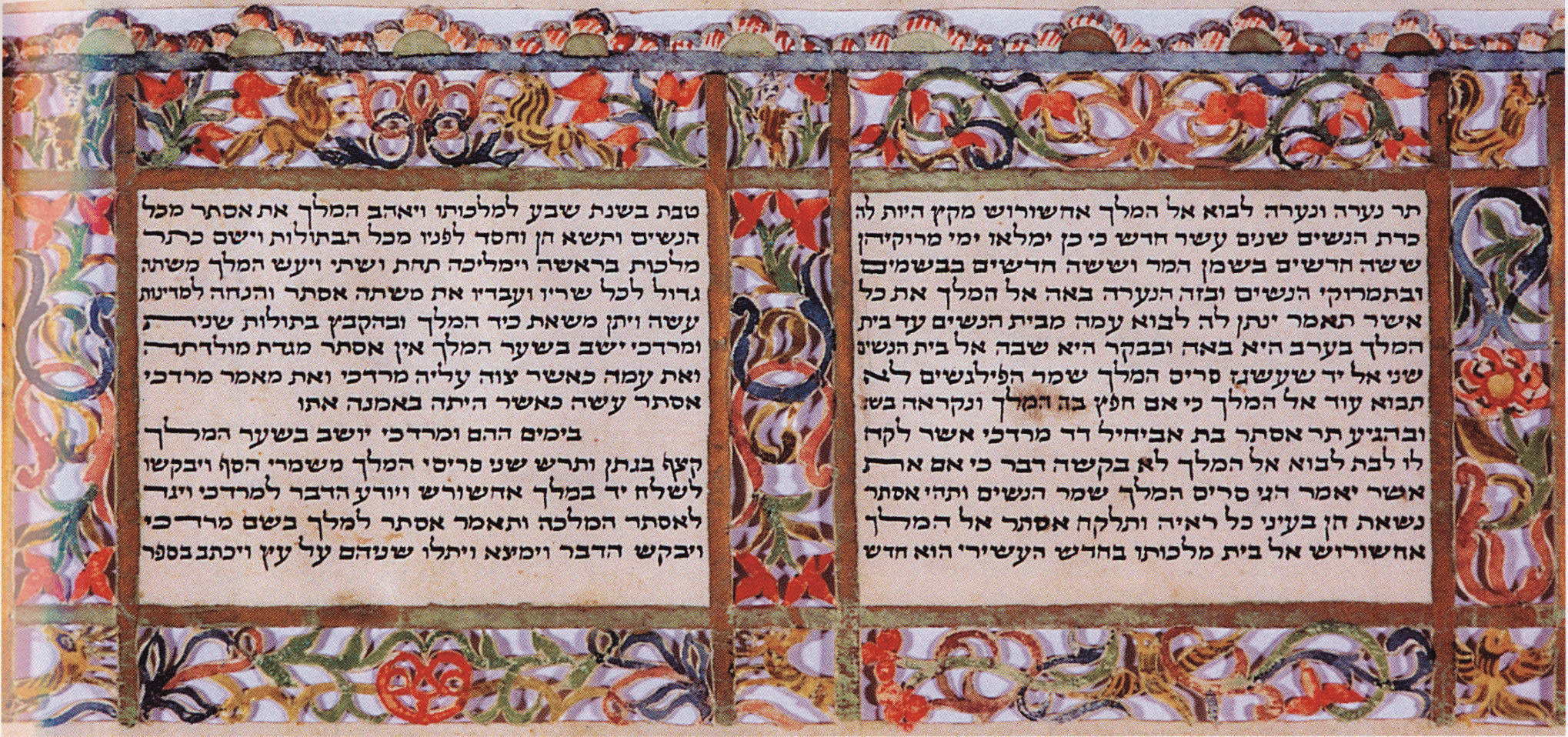
Why is Purim so popular? Could it be because over millennia it has been seen as representing the paradigm of Jewish life in exile? What are the key features of the Purim story that create this image?
Firstly, nowhere in the megillah do we see any mention of God’s name. Unlike so many stories detailed in the Chumash, the Purim events involved no obviously miraculous or supernatural events. The players – friend and foe – were natural; the miracle of Jewish survival emerged from the confluence of events and their outcome. In our era, that is indeed a situation with which even the more sceptical among us can empathise.
Secondly, regarding the story itself, we find another element of paradigm. Even in an era of multiculturalism, those who understand history can empathise with the Jewish minority suffering discrimination and threats at the hands of the ruling authorities who cannot tolerate difference. Particularly in the post-
Holocaust era, no one is surprised when the whole machinery of government – the bureaucracy of the Persian state whose workings are described in such minute detail – is turned against the Jews. That lack of surprise remains even when we examine the story to find that prior to the threat and decree of Haman, Jews were actually accepted at the highest levels of society – they too participated in the royal celebration and feast. Jews know well that one day’s acceptance is soon followed by rejection and even persecution. It is a lesson once again brought to life in our own time and communities post October 7 and Bondi.
Perhaps there is also another aspect. Most of the Tanach refers to our people as Israel or Bnei Israel. Yet the megillah, set in the era after the first destruction and the exile of the kingdom of Judah, actually uses the now more familiar terminology, Yehudim (originally meaning those of Judah who arrived in Babylon after being exiled by Nebuchadnezzar), the term from which we derived the word Jew. We are, accordingly, more inclined to see its events as referring to ourselves rather than an ancient people. Hence, the talmudic adage that one who reads the megillah backwards – originally meaning technically reading in the wrong order, but reinterpreted to mean as referring to the past era without a lesson for the present – has not fulfilled his or her duty, having not properly grasped its significance and implications.
comments