



A world full of demons, dybbuks and ghosts
Yentl is back, in all its original glory, with a new adaptation of Isaac Bashevis Singer's classic story. Artistic co-directors Galit Klas and Evelyn Krape spoke to The AJN about the relevance of the play in today's world.
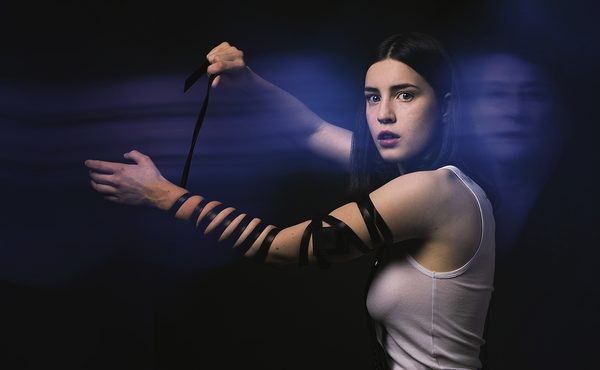
Gender identity, religious and sexual politics, and traditional Yiddish culture collide with a bold and contemporary adaptation of Yentl. It’s a story that resonates so much today blurring the lines between ”traditional” gender roles.
Opening next month, the production is the first new adaptation since Barbra Streisand’s renowned 1983 musical film.
As co-creator and director Gary Abrahams said: “Yentl is an incredibly transgressive and irreverent story that was sanitised and made very PC by the film. But Bashevis Singer’s story is so much stranger, so much more unsettling, so much more rooted in a world full of demons, dybbuks and ghosts.”
Yentl will headline a year-long calendar of events celebrating Kadimah’s 110 years of continuous theatre, language and cultural programs.
“We’re sharing something that’s really special that doesn’t really exist so much in the wider Australian population, and that is a really strong connection to heritage and tradition,” co-artistic director of Kadimah Yiddish Theatre, Galit Klas told The AJN.
“We’re really proud of our identity and I think that’s something we can share, and we should never lose, as a Jewish community.”
As for why they chose Yentl, Klas said it’s all about bringing Yiddish culture and appreciation to the people.
“What better story is there than Yentl?” she said. “It’s a really well-known story, and now we’ve got a whole new contemporary interpretation that actually resonates today.”
Plus, she adds, it’s a story written by the one Yiddish writer who won a Nobel Prize for Literature.
The question that grappled the production team was how would Bashevis Singer frame Yentl today?
“We spent quite a bit of time talking about Yentl as a transgender figure,” co-artistic director Evelyn Krape explained. “Even though we don’t address it and it’s not overt, it’s very much a story about a woman who wants to live as a man, and all the transgressions that arise from that.”
“There’s this wonderful intersection between contemporary queer politics and old-world Yiddish culture,” Abrahams said. “It’s a story about identity, and about the danger and bravery of creating one’s identity when you have to fight against the status quo of the world around you.”
And when it comes to women, Krape said the story of Yentl is still exceptionally relevant today.
“Even though you could say today that most women have a life both inside the home and out, it’s not really the point. The point is the way in women are seen in this society,” she said.
“Women still fight in every way to be recognised and respected, treated as equals.
“Yentl is fighting a battle to be who she is. And if that means dressing as a man, transgressing and then becoming the wandering Jewess, she has sent ripples through a society that hopefully will create an awareness that you cannot put a lid on.”
Yentl is showing at Fairfax Studio, Arts Centre Melbourne, March 12-26. Book tickets.
comments