



Albanese calls Royal Commission into antisemitism
PM bows to mounting pressure from victims' families, Jewish community and leaders across all sectors; appoints former High Court justice Virginia Bell as commissioner
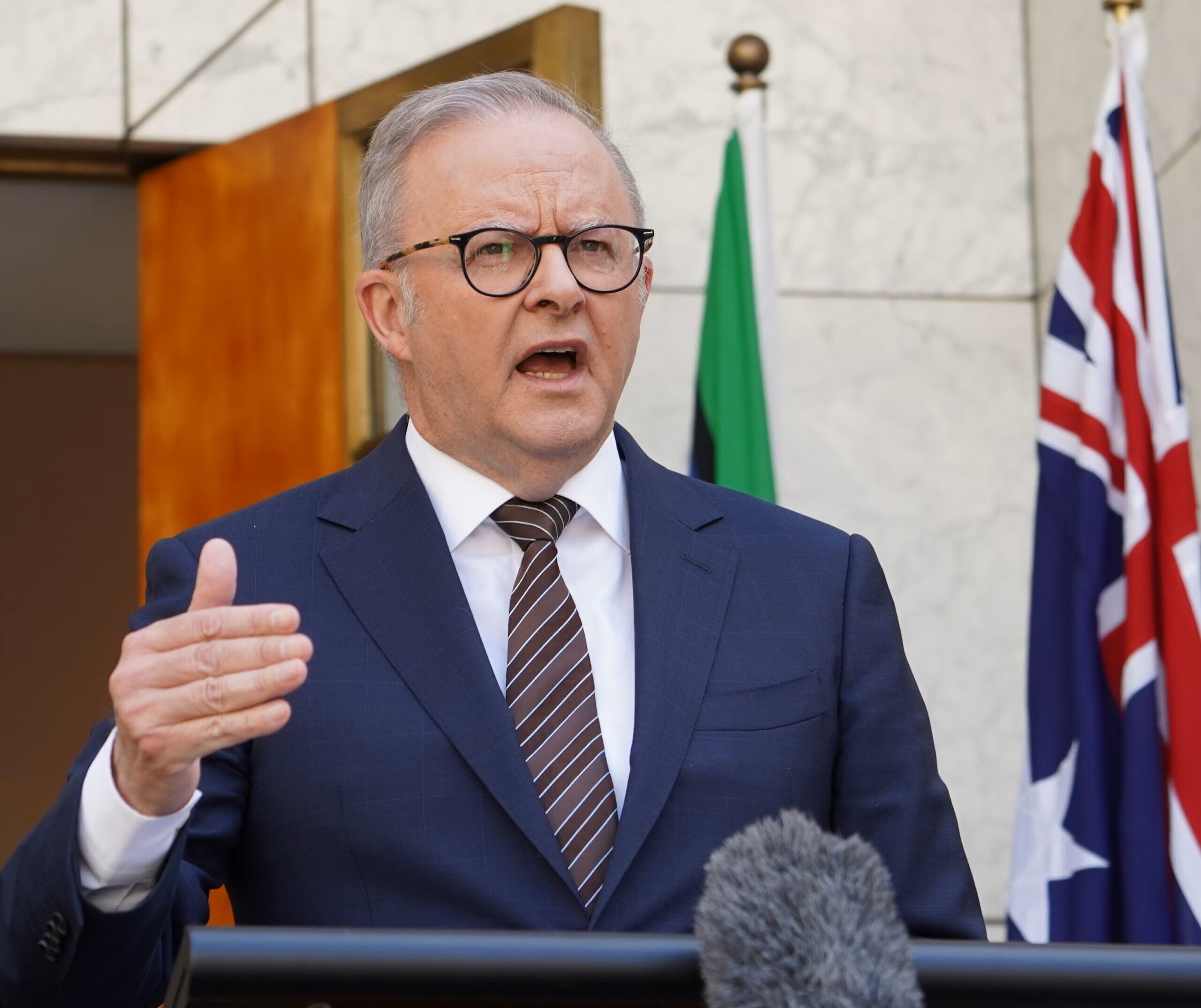
Prime minister Anthony Albanese has announced a Commonwealth Royal Commission into antisemitism and social cohesion, bowing to weeks of mounting pressure from victims’ families, the Jewish community and prominent Australians across all sectors.
Albanese said on Wednesday he would recommend to the governor-general that former High Court justice Virginia Bell be appointed as commissioner, with a final report due by December 14, 2026.
“I’ve taken the time to reflect, to meet with leaders in the Jewish community, and most importantly, I’ve met with many of the families of victims and survivors of that horrific attack,” Albanese said.
“I’ve said repeatedly that our government’s priority is to promote unity and social cohesion, and this is what Australia needs to heal, to learn, to come together in a spirit of national unity. It’s clear to me that a Royal Commission is essential to achieving this.”
The announcement came 25 days after the Bondi Beach terror attack that killed 15 people and wounded dozens more during a Chanukah celebration on December 14.
Albanese said he had spoken with NSW premier Chris Minns and expected a single Royal Commission would be conducted, with Minns to have more to say on the NSW position.
The Royal Commission will cover four key areas: tackling antisemitism by investigating its nature, prevalence and key drivers including religious and ideologically motivated extremism; making recommendations to assist law enforcement, border control, immigration and security agencies; examining the circumstances surrounding the Bondi terrorist attack; and making recommendations for strengthening social cohesion and countering the spread of extremism.
The work of Dennis Richardson, who had been conducting a review into intelligence agencies, will become part of the commission, with his interim report still due in April.
“This Royal Commission is the right format, the right duration and the right terms of reference to deliver the right outcome for our national unity and our national security,” Albanese said.
Special envoy to combat antisemitism Jillian Segal said the decision was “the right one and an important one”.
“I believe the government’s decision that you’ve just heard to establish a Royal Commission into antisemitism is the right one and an important one, and I think it’s important that the government has listened to all those who’ve advocated for such a commission,” Segal said.
“Given the scale of antisemitism that we have, a full, wide-ranging and independent examination like a Royal Commission is absolutely warranted.”
Segal said the commission did not pause or replace ongoing work to combat antisemitism.
“My work will continue without interruption. Focus will remain on prevention, education, institutional accountability and community safety,” she said.
Attorney-general Michelle Rowland said the Royal Commission would focus on investigating the nature and prevalence of antisemitism in institutions and society, making recommendations to assist law enforcement and other agencies, examining the circumstances surrounding the Bondi attack, and making recommendations for strengthening social cohesion.
“This will be an important opportunity for Australians, particularly Jewish Australians, to have their voices heard and to speak to their experiences,” Rowland said.
Home Affairs Minister Tony Burke said the government had crafted the Royal Commission “in a way that makes sure that we are clearly listening, in particular, to the pleas that have come from family members and relatives, but doing so in a way that does not slow down our response”.
Burke criticised terms of reference floated by the opposition, saying they “would have left something that gave us no answers for a very long time”.
“Some of the terms of reference that have been floated around, in particular from the opposition in recent weeks, would have left something that gave us no answers for a very long time, would not have had the expertise of someone like a national security expert like Dennis Richardson, and also would have failed to have the priority of social cohesion in the structure that’s been given here,” Burke said.
When asked if the Royal Commission would investigate how the government handled the rise of antisemitism since October 7, 2023, and advice given to government, Albanese said “of course”.
He cited terms of reference that include investigating the nature and prevalence of antisemitism in institutions and society and examining its key drivers “including in the lead up to the antisemitic Bondi terrorist attack on 14th of December, 2025”. He said he terms of reference also direct the commission to “identify any opportunities to enhance the responses of governments to antisemitism” and make recommendations to counteract and prevent manifestations of antisemitism.
When asked why Bell was chosen despite concerns from some members of the Jewish community, including former treasurer Josh Frydenberg, about some of her previous decisions on protest laws, Albanese said he had consulted widely and there were different views in the community.
“If you look at what is required by this Royal Commission, there is no one of the stature of Virginia Bell, a former High Court judge, a former head or senior person in the NSW Supreme Court, someone with a background in the criminal law, someone who is widely respected right across the board,” Albanese said.
The announcement came after weeks of mounting pressure, with calls for a Royal Commission from 17 families representing 11 Bondi victims, over 130 business leaders, 69 sporting champions including Dawn Fraser, over 100 legal figures, former Labor MPs, defence and security experts, Australian Human Rights Commissioner Lorraine Finlay, Jewish community leadership organisations across Australia and numerous former senior public servants and politicians.
Albanese had repeatedly rejected calls for a Royal Commission over recent weeks, saying he wanted to focus on urgent action rather than a lengthy inquiry.
comments