



An obscure fast date: Erev Shabbat parashat Chukat
The holiness of Jewish holy books is paramoumt.
For the Jewish world of today this Shabbat is actually a Shabbat Achdut – a unity Shabbat. Because Shavuot this year fell on Friday and Shabbat for us in the Diaspora while in Israel it was only one day (Friday), the services and Torah reading in Israel on that Shabbat differed from those elsewhere being the ordinary Shabbat services including a regular Torah reading (that week it was Naso). Diaspora Jews read the portion always read on the extra day of a festival coinciding with Shabbat – “Aser t’aser”, (Devarim 14:12-16:17)
As a result, from Shavuot until this week Israel was one parashah ahead of the Diaspora. Finally, this week we will read a double parasha – Chukat-Balak, while in Israel where they are already up to Balak that is the only one they will read. From the coming week unity will prevail as we will again all be the same.
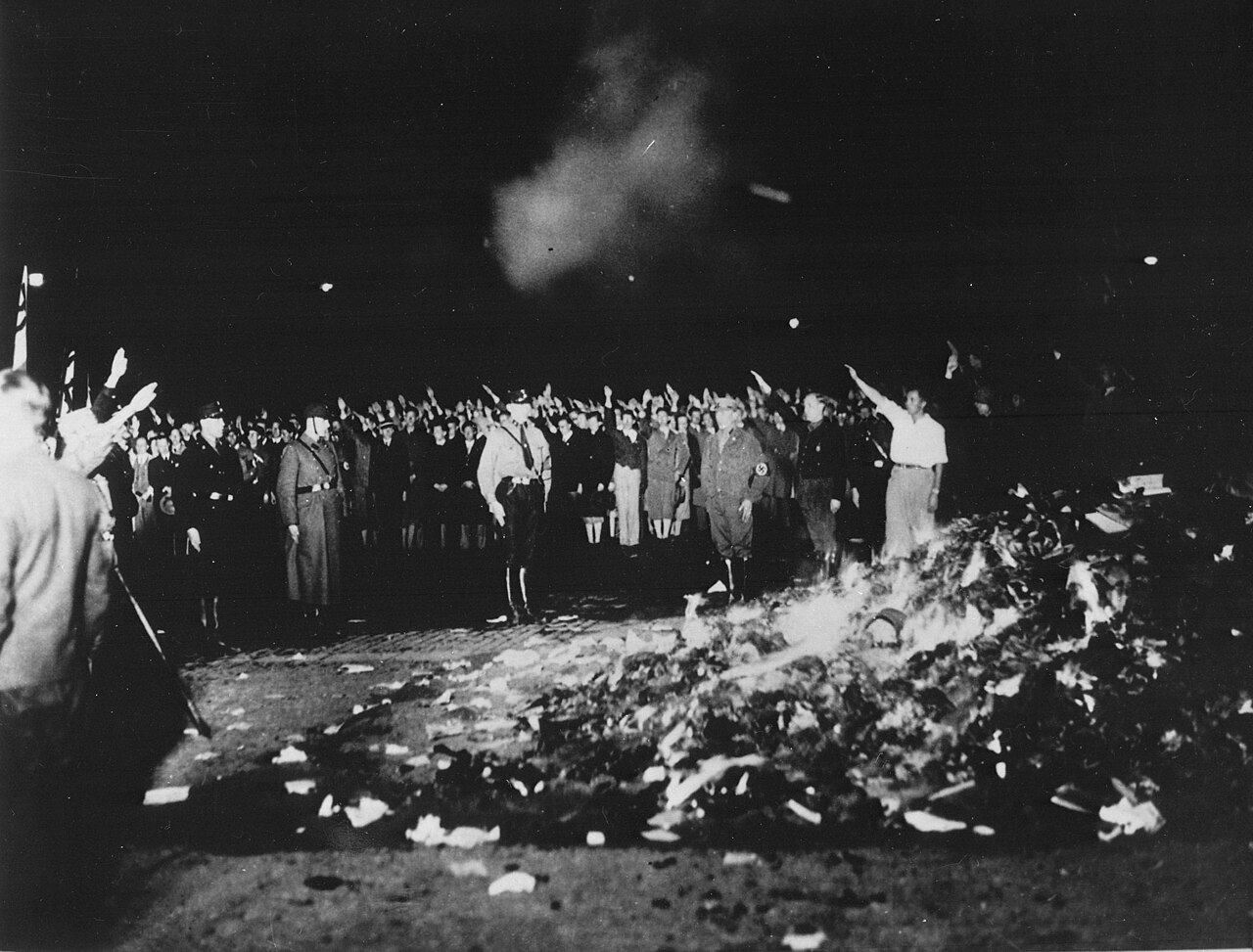
However, albeit many may not realise it, there is another significance to this weekend – specifically to the Friday, Erev Shabbat Parashat Chukat. Commentator on the Shulchan Aruch, the Magen Avraham, (1635–82) explains that it is “worthwhile for every Jew to cry for the burning of the Torah”. He then proceeds to tell of a customary annual fast specifically for this purpose, on Erev Shabbat Parashat Chukat. On that day, in the year 1242, 24 wagonloads filled with Gemarot and other Talmudic literature were burned in Paris by agents of the Church and King Louis IX. The pretext was the outcome of an antisemitically inspired public debate between an apostate monk who had falsely convinced church authorities of anti-christian content in the Talmud and four of the most eminent rabbinical authorities in France including the famed Rabbi Yechiel miParis. The official verdict against them was a foregone conclusion.
The impact and importance of this loss was tremendous; this occurred over 200 years before the printing press was invented, and each volume was a priceless, handwritten manuscript. There was now barely a Talmud to be found across France and much of western Europe, seriously impacting Torah study in a region once the jewel of the European Torah world. In fact, this was considered such an enormous loss that the famed Rabbi Meir (Maharam) M’Rothenburg, an eye witness to the disaster and a student of Rabbi Yechiel, composed an elegy “Sha’ali Serufa Ba’Aish” (“Inquiry consumed by fire…”), incorporated into the Kinot recited every Tisha b’Av.
Contemporary great rabbis inquired of Heaven by means of a dream (a technique known as a “she’elat chalom”) to discover the source of this decree. The Heavenly reply was a succinct three words “Da Gezeirat Orayta”. This is the Aramaic translation (see Targum Onkelus) of the opening verse to Parashat Chukat, “Zot Chukat HaTorah – This is the decree of the Torah” (Bamidbar 19: 2). They inferred from this cryptic reply that the burning of the Talmud was indeed Heavenly decreed. Therefore, and as opposed to every other fast in the Jewish calendar, instead of a specific day established as a commemorative fast day, this one, designated a fast for individuals, was set annually on the Erev Shabbat preceding Parashat Chukat.
comments