



Antisemitism endures because it is useful
Jew-hatred never dies because someone always needs it alive.
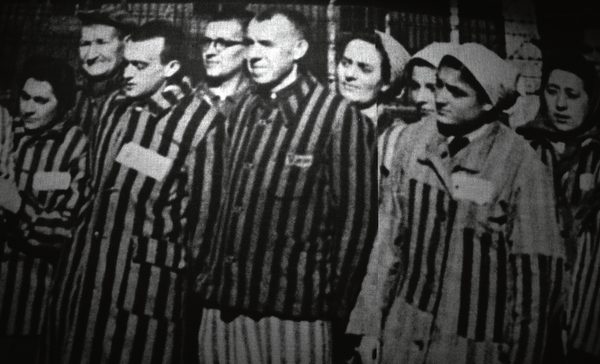
In “The Telos of a Hatred” (Fathom Journal, November 2025) I dismantle one of the most persistent misconceptions about antisemitism: that it is irrational, episodic or inexplicable. My argument is far more disturbing. Antisemitism has always served a purpose – a social, political, psychological utility. It reappears not because societies forget its horrors but because it remains useful to them.
Jew-hatred never dies because someone always needs it alive. In order to defeat antisemitism, we must understand that purpose: why Jew-hatred recurs, mutates and thrives even when old narratives are exposed.
This “telos” – the final purpose – has unfolded across 2000 years. In the ancient world, Jews refused to assimilate into imperial order. That stubborn moral independence turned them into the ideal “other”: a people who could be accused of disloyalty, separateness or treachery whenever unity was required.
In medieval Europe, Jews played another role – the scapegoat. When plague, famine or social fracture struck, Jews were cast as pollutants poisoning wells, murdering children, threatening Christian purity.
The modern world promised emancipation and equality. Instead, antisemitism evolved into a political technology. In the 19th century, nationalism needed traitors; in the 20th, totalitarianism needed “corrupting influences”; in the Soviet era, Marxist utopianism needed bourgeois saboteurs. Jews were conscripted into these roles involuntarily, repeatedly, predictably.
comments