



As the shofar is heard across the land
The season of hearing the shofar is already upon us. Where did the year go?
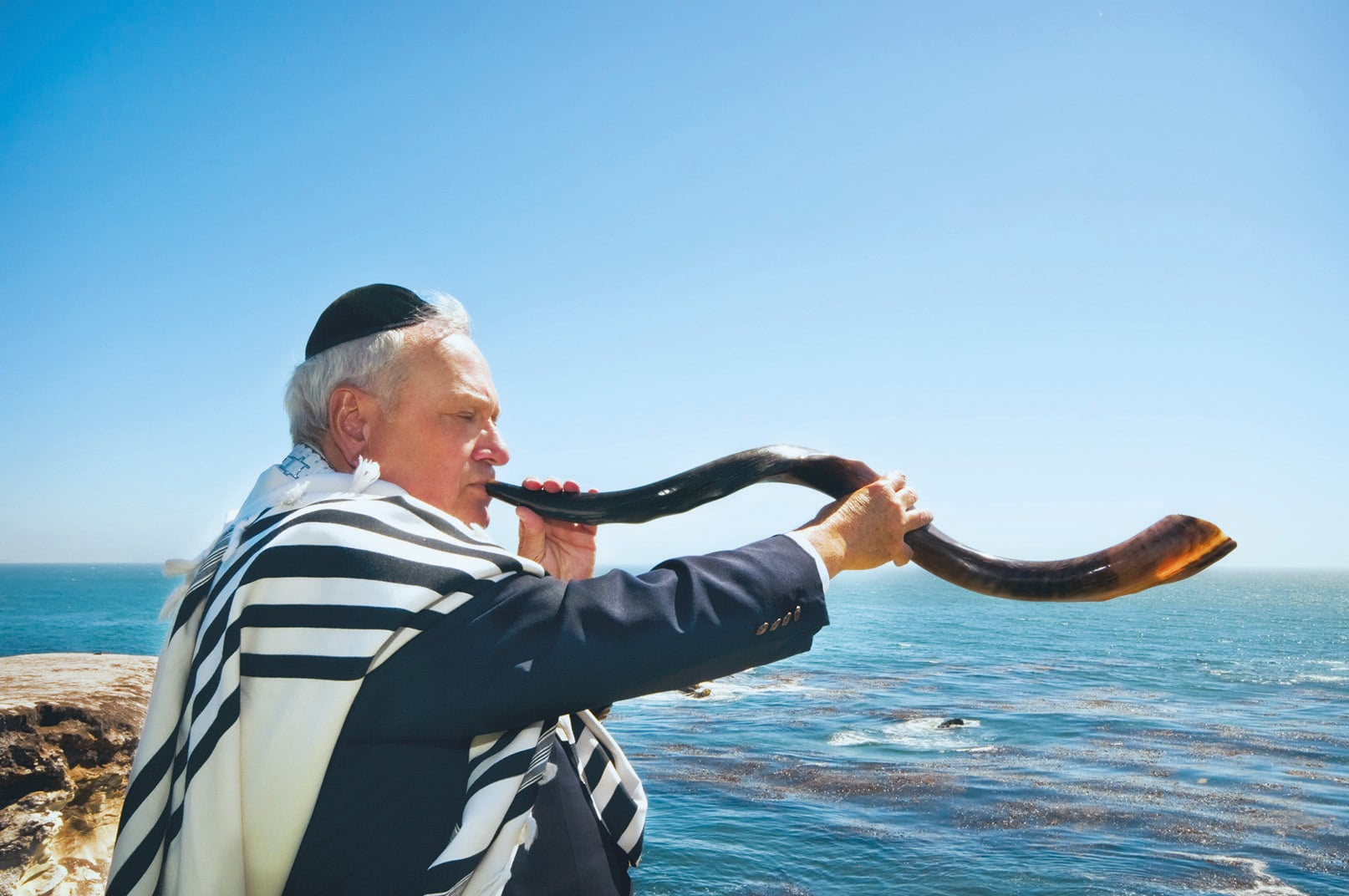
While in common parlance one tends to refer specifically to the Ten Days of Penitence incorporating the High Holy Days as a period of introspection leading to resolutions for the future, tradition has it that with the month of Elul we commence the High Holy Day season, more correctly known as the “Yamim Noraim – Fearful Days”. I have previously noted, that some might have already wished “Ketivah vachatimah tovah” from Chamisha Asar b’Av as the two phrases have the same gematria (number value of their Hebrew letters) and it is the date that the Tisha b’Av mourning is finally over and our minds turn to the next phase in our calendar.
And then, for many this period began on Wednesday of this week. The kabbalists added to our list of sacred dates the concept of Yom Kippur Katan, a minor “day of atonement” on the eve of Rosh Chodesh at the beginning of many of the months of the year. Nominally a fast observed only by a few, it is best known in the contemporary era as an occasion when Selichot are recited at Mincha. And even in communities where it is not regularly observed, many do observe it prior to the commencement of the month of Elul when introspection is particularly on our minds. But all that aside, as this edition of The AJN reaches readers, the month of Elul is truly beginning.
In Europe, by the beginning of Elul, the hottest days are over and on some mornings a chill wind is already felt. During his sermons at this time of the year the late Rabbi Shlomo Rudzki often said that in the “alte heim” (back in the old country) they said that when the shofar was first heard in Elul, even the birds in the trees trembled – not because of cold but at the thought of the approaching days of judgement. “Ashrei adam mefached tamid – Happy is the man that feareth always,” said King Solomon, the wisest of all men (Proverbs 28:14). In the pre-war, Eastern European world of Mussar (those who emphasised ethics but also spiritual cleansing and advancement) for those who fulfilled that adage in regard to spiritual concerns Elul had an especial meaning.
Nevertheless, even if our standards are not at that level, in all our synagogues the advent of Elul will see commencement of additions to the daily prayer services, as well as shofar blowing each weekday morning. Sephardi communities will even commence recitation of Selichot.
The great kabbalist Rabbi Isaac Luria (the Arizal) compared the month of Elul that leads up to the High Holy Days, to one of the cities of refuge in which even one who had caused a death – the worst sin, albeit accidentally – could find respite. In Shemot (21:13) we read that “v’haElokim inah leyado” – “if the Almighty made it happen to him” that he accidentally sinned by causing death, “v’samti lecha makom” – “I will make for you a place” to which to flee. The initial letters of the words “inah leyado v’samti lecha” make up the word Elul. True, the actual name of the sixth month as Elul only came into being after the first Destruction, but the thought is nevertheless valid.
comments