



Australian matzah-baking has a long history
Seven days you shall eat matzot. (Shemot 12:15)
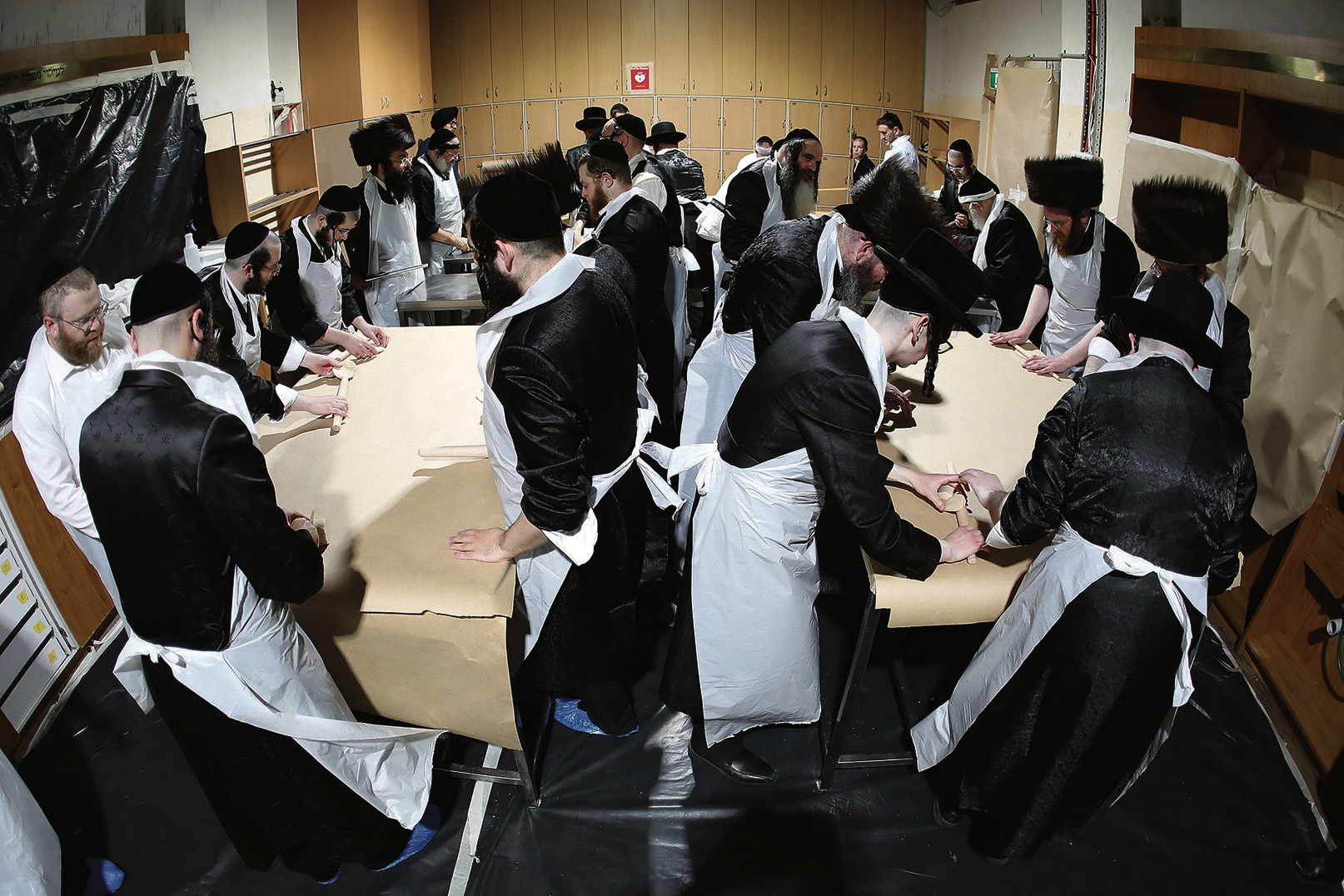
In light of the sorry state of the Australian dollar, the cost of imported kosher goods is a particular communal concern as Pesach approaches. Kosher Australia has long suggested that people buy Australian goods to both reduce costs and support the local economy – and simultaneously let local manufacturers know that there is value in their maintaining certified kosher status. However, even this option has been complicated by the increased tendency for food production to move offshore – so that even if kosher supervision is facilitated it involves increased cost for hashgachah that takes place overseas – even where it is possible to work together with the overseas based certifying bodies.
In the 21st century, even machine matzah for general community use is not being commercially baked in Australia anymore but imported from Israel instead. This really is a turnaround in terms of supply of kosher products for the Australian community.
Other than meat, it is Pesach requisites that have traditionally been the subject of most attention in the kashrut field by newly established communities. Australian history in this regard is worthy of note. Already in the 1830s a few individuals in Sydney baked their own “motzos” – following basic principles to the best of their knowledge and ability.
The first matzot to be manufactured in Australia on a commercial basis were baked in Sydney. As early as 1844, Melbourne Hebrew Congregation (MHC) made formal arrangements for the import of matzah from Sydney (individuals may already have done so in earlier years). By 1856, matzot were baked in Melbourne under the supervision of the then minister of MHC, Reverend Moses Rintel. The question of their kashrut was taken very seriously; contemporary archival material contains references to aspersions as to their kashrut and defence of manufacturing procedures.
In 1871, there was even a significant local dispute as to whether matzot could be made by machine (paralleling the contemporary dispute among halachic authorities in Europe). The Joint Committee of the Melbourne Hebrew Congregations advised that the chief rabbi of England, Rabbi Nathan Marcus Adler, ruled that only handmade matzot could be used. Notices to that effect were placed in the daily paper – and on the door of every Victorian shule (including those in Ballarat, Geelong and Sandhurst, Bendigo). However, the following year, Melbourne bowed to the march of progress, and machine matzot were manufactured under local supervision.
Concerns over Pesach costs are not new; throughout the 19th century, the question of the cost of matzot (six to eight pence a pound) was a point of discussion in the press. The first Mishnah in the tenth chapter of Tractate Pesachim stresses that even those dependent on public kitchens needed to be provided with basic seder needs.
comments