



Research to prevent memory loss in women
MONASH University is undertaking a study to determine if testosterone therapy can improve memory in older women.
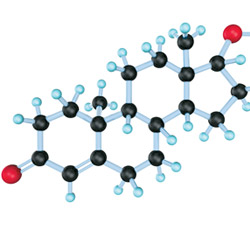
MEMORY changes with ageing are not uncommon, but when memory lapses start to interfere with day-to-day activities and are associated with other symptoms, such as disorientation or personality changes, the affected person may be experiencing early signs of dementia.
Even after taking into account that women live longer than men, women have almost double the risk of developing dementia than men. Alzheimer’s disease is the most common form of dementia affecting women.
It has been proposed that differing hormone levels in men and women may be part of the reason this occurs. Testosterone levels are much lower in women than in men and in women, testosterone levels decrease substantially with age.
By the time women reach their 40s, the level of testosterone in their blood is about half what it was in their 20s. This is important, as testosterone appears to protect brain cells from oxidative stress and may reduce the accumulation of amyloid protein in the brain. Excess amyloid in the brain is associated with degeneration of brain cells and development of Alzheimer’s.
Researchers at the Women’s Health Program, Monash University, have been investigating whether restoring testosterone levels in older women to those of younger women will improve brain function and ultimately protect against dementia.
They recently found that a small dose of testosterone administered by a skin spray each day for six months was associated with improved visual and verbal learning and memory in a small group of postmenopausal women. The research team is now undertaking a much larger study to determine if testosterone therapy will improve memory and learning in older women.
In this study, women will be randomly allocated to receive a small dose of testosterone each day by a gel applied to the skin, or an identical gel that does not contain any active ingredient. The effects of therapy will be evaluated by comparing how well women complete memory and learning tasks before treatment and after six months of treatment.
These tasks are done using a computer and involve selecting words, depictions of cards from a deck of cards and other images. A comprehensive knowledge of computers is not required to participate in testing.
The expected outcome is that testosterone treatment will be associated with improved performance on visual and verbal learning and memory tasks, when compared to placebo. If this study demonstrates that testosterone improves cognitive performance in healthy older women with normal cognition for their age, it may be a potential strategy for the prevention of cognitive decline.
Seeking subjects
THE study will be conducted at both the Women’s Health Program based at The Alfred hospital, and also at the Peninsula Campus of Monash University in Frankston. The researchers are seeking women aged 55 to 65, however, they plan to extend the study to include women up to the age of 70.
Otherwise healthy women aged from 55 to 70 who are interested in participating in this research should contact the Women’s Health Program, Monash University, on (03) 9903 0833. Women presently using hormone therapy will not be able to particpate in this study.
SUSAN DAVIS
Susan Davis is professor of women’s health and NHMRC principal research fellow at the Women’s Health Program, Department of Medicine, Monash University.
comments