



Changing attitudes in Poland
In Warsaw on Monday, Majewski told The AJN the Ukraine war has motivated large numbers of Poles to take refugees into their homes and collect essentials for them.
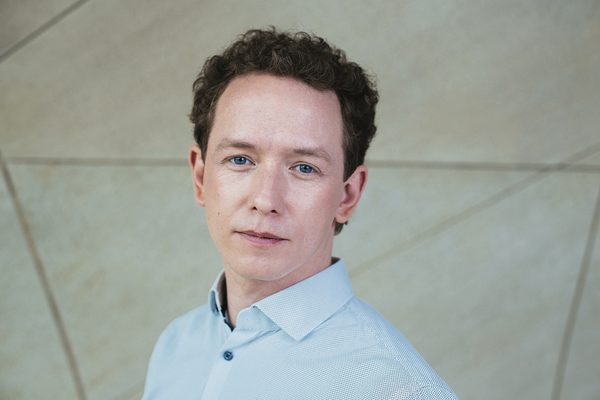
POLES have opened their hearts to refugees from the war in neighbouring Ukraine, in marked contrast to much of their conduct towards Jewish Poles during World War II, says a leading scholar of Polish Jewish history on the eve of his visit to Australia.
Michal Majewski, a noted genealogist, and COO of the Association of the Jewish Historical Institute in Poland (AJHP), will address the Australian Society of Polish Jews and their Descendants (ASPJ). He established close ties to Poland’s Jewish community in his former role with Warsaw’s POLIN Jewish museum.
In Warsaw on Monday, Majewski told The AJN the Ukraine war has motivated large numbers of Poles to take refugees into their homes and collect essentials for them. Majewski has driven to the Ukraine border three times to bring refugees back.
“Among the arrivals were many Jewish refugees – and large numbers fled Ukraine, particularly women and children. Of course, many decided to go on to Israel, and Sochnut [the Jewish Agency for Israel] was very active in this, but some decided to stay in Warsaw,” he said.
Ukrainian refugees have swollen Warsaw’s population by 25 per cent, and AJHP is raising funds for refugees and assisting their resettlement in Poland.
Broaching a sensitive subject under his country’s right-wing government, which penalises public attributions of Holocaust blame on the Polish nation, Majewski said, “During World War II, Poles were generally victims of the Germans, and while this is true, they were also bystanders. Of course, there were some 6000 Polish Righteous, but there were also people who were taking part in killings and pogroms.
“In 2022, I was expecting that Poles would again be bystanders,” he said, noting previous tensions between Warsaw and Kyiv over immigration to Poland. Poles opening their arms to Ukrainians left him “totally surprised”.
Separately, AJHP helps young Poles to learn about their country’s Jewish history. On the eve of World War II, there were 3.3 million Jews in Poland, but after the Shoah, only some 380,000 were alive.
The current government has significantly curbed Holocaust education in schools, so a greater burden has fallen on private organisations – significantly on AJHP – to fund Shoah teaching, which is particularly important in smaller towns that had large Jewish communities before the Holocaust.
“A lot of teachers who teach their town’s local history want to include the Jewish history – and there are organisations in Poland that teach them how to teach the Holocaust to their students,” said Majewski. “Those teachers can apply for a grant to our organisation.”
Michal Majewski will speak at the ASPJ Genealogy Open Day at the Melbourne Holocaust Museum, April 2, 3-5pm. Bookings: trybooking.com/CGCNY
comments