



Commemorating our connection with Hebron
Jewish life in the city where King David ruled prior to entering Yerushalayim has a chequered history.
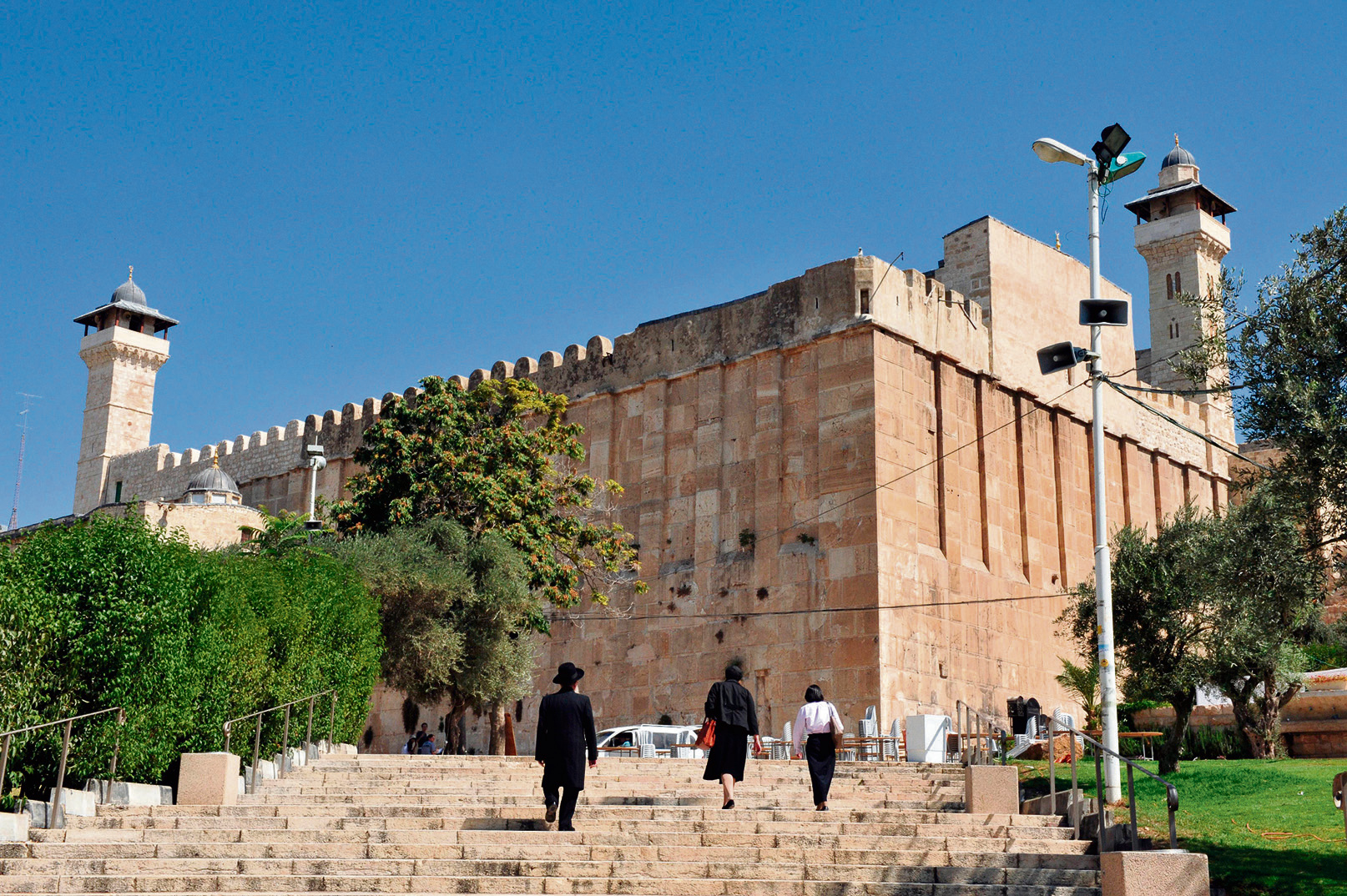
The opening chapter of this week’s parasha spells out our patriarch Abraham’s acquisition of that now hotly disputed piece of land – the area of Me’arat Hamachpelah (the Cave of Machpelah) in the midst of the ancient city of Hebron which acquired biblical significance thereby. Accordingly in recent decades, a tradition developed whereby despite security fears tens of thousands would gather in Hebron this Shabbat to mark our continuing connection with the area. Hence my focus on Hebron this week.
What is the background to the current situation?
In April 1947, the United Nations Special Committee on Palestine (UNSCOP), was established to investigate the future of Mandatory Palestine following the pending departure of the British who could not solve the problem of competing Jewish and Arab interests. After its inquiry, UNSCOP proposed the UN Partition Plan, which recommended creating two independent states (Arab and Jewish) with an economic union and an international regime for Jerusalem. This plan was adopted by the UN General Assembly as Resolution 181 on November 29, 1947.
David Ben-Gurion, who represented Jewish interests to the inquiry, did not need to be convinced that the Tanach serves as our title deed to the Land of Israel. When his turn to speak came, he waved a copy of the Bible at the august group examining options saying that this is our title to the land. To any believing Jew – and for that matter to many Christian believers as well – the Bible does confer title.
But within the Tanach and its multiple references to our ownership of the land, there are certain places singled out for special mention as having been acquired through legal process. First and foremost of these is Me’arat Hamachpelah in Hebron. In the repetitive emphasis of details of the purchase arrangements as featured in the beginning of our parasha, the Torah itself, normally characterised by the ultimate economy of words, went out of its way to spell out how that formal purchase took place so that it should be considered as indisputably legally valid.
comments