



Education is key to countering antisemitism
Stronger Holocaust and civics education is vital to safeguarding democracy and fostering tolerance.
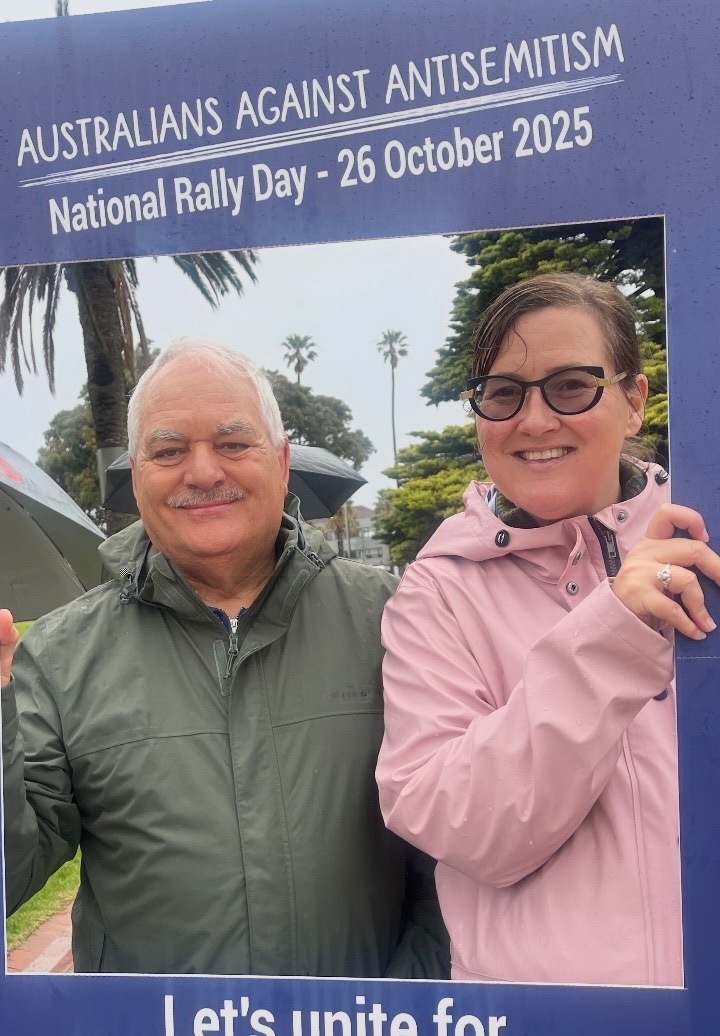
For 15 years, I’ve called the leafy streets of Caulfield home. I have found life in Melbourne’s bagel belt welcoming, family-oriented, and safe—a place where well-dressed families walk freely to synagogue on Friday evenings, and where Jewish culture is visible in shops and streets. Yet, after the October 7 attacks on Israel, that sense of safety—for me, as a non-Jewish Australian—has shifted.
Walking south along Hawthorn Road, I pass the empty premises of a Burgertory restaurant, firebombed in 2023. No evidence links the attack to the Jewish community, yet it sparked pro-Palestine protests at a nearby park and synagogue. Two non-Jewish men have since been arrested, and the rebuilt shopfront is a reminder of escalating violence and how quickly misinformation can inflame prejudice.
The Beth Weizmann Centre, a library and community hub, has become fortress-like. It is almost unrecognisable from the place where I met Holocaust survivors Masha and Avram Zeleznikow over a decade ago. The former owners of Melbourne’s Café Scheherazade taught me about resilience and community, with Masha becoming a cherished mentor until her 2016 passing. I think of them often—about their post-war contributions to Melbourne and their view of education as a path to peace.
Heading north along Hawthorn Road, I pass the firebombed remains of shops believed to be a hate crime target. Local synagogues and schools have been vandalised, and security measures have visibly increased. Walls have gone up, and I know of Holocaust survivors in nursing homes hiding their faith out of fear. Despite this, Jewish-owned businesses have relocated to Caulfield from across Melbourne after being doxed online.
This is not the Australia I know. But it is increasingly the Australia its Jewish community feared—long before fifteen people were murdered at our nation’s most iconic beach in an antisemitic attack.
That the Jewish community repeatedly warned governments of emerging risks—and was repeatedly ignored—is a legacy those in office will eventually have to confront. Laws and policies around protest rights and responsibilities, freedom of speech, gun ownership, and community safety will inevitably form part of that conversation.
But so, too, must education.
comments