



Every tune leads to the same gate
Between Sephardi and Ashkenazi melodies, one family discovers the beauty of praying in two traditions.
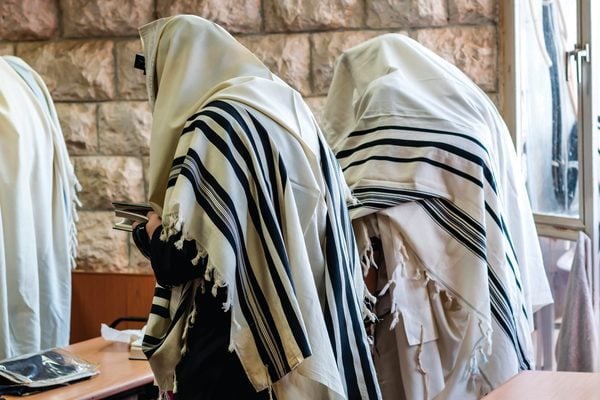
This year, the first day of Rosh Hashanah falls on Shabbat, which means the shofar will be silent. As the story goes, there is a certain irony to the reason. The rabbis worried that Jews loved the mitzvah so much that they might accidentally break Shabbat trying to get to a shofar. So they took it away. Jewish logic at its finest.
It means the first sound of 5787 will not be the blast of a ram’s horn. It will be whatever melody the person beside you is singing. And if you have spent your life moving between a Sephardi synagogue and Ashkenazi prayers, as I have, you know those melodies are not the same song.
My family are Iraqi Jews. They left Baghdad, moved to India, and landed in Sydney in the 1960s when my mum was just eight years old. I grew up steeped in that journey. The food, the stories, the way my relatives argued. And the prayer tunes.
Every Shabbat and chag, our house was filled with the long, winding, ornate melodies of Sephardi prayer. I only ever heard Ashkenazi tunes at school, and, no offence to anyone out there, they sounded flat to me. Like someone had ironed all the curves out. A bit like a performance.
In our synagogue, the congregation sings together. Not in the background. And definitely not politely. They’re loud. The congregation likes to make itself heard.
comments