



From prison cell to comedy stage
Bad Boy is primed to spark intrigue among those who were left wanting more by Adolescence.
Premiering on Netflix less than three months ago, it’s unlikely that many have missed the record-breaking Adolescence, which claimed the highest viewership for a limited series in just its first two weeks on the site. The show viscerally detailed the arrest of a teenage boy for murder, and the subsequent repercussions for all of those in his orbit, in four harrowing episodes that shocked a streaming nation to their core.
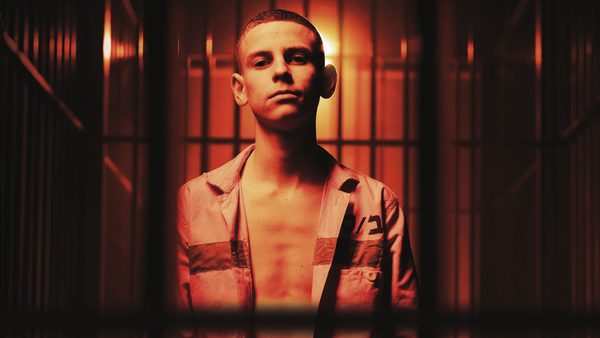
Following Adolescence‘s important success, comes a new even grittier teen criminal drama from Israel. Created by none other than Ron Leshem (the man behind the original versions of Euphoria and Homeland), Bad Boy delves even further than its predecessor, taking the viewer inside the concrete walls to see what prison life truly looks like for a teenage boy.
Having originally premiered at the Toronto International Film Festival at the end of 2023, Bad Boy‘s May 2025 release on Netflix feels highly intentional when considering its subject matter, and is primed to spark intrigue among those who were left wanting more by Adolescence, with the latter feeling almost like an integral precursor for what Bad Boy has in store.
In Bad Boy, the arrest of Dean Shaiman not only rocks his own story world, it also shakes up the dynamic of the collection of dangerous boys on his cell block. His arrival poses a threat to their internal structure and hierarchy, and in turn, their treatment of him is a constant threat to his own life. Rather than dealing with his reality head-on, Dean gambles his life with his humour, which is where the show makes its biggest contrast to Adolescence.
In prison, he toes every red line with a daringly clever quip, and when we glimpse a much older version of him back out in the world, Dean (who now goes by Daniel) is none other than a stand-up comedian, using the experiences of his younger self to stir the crowd into fits of laughter.
These scenes are interspersed throughout most of the show, providing comedic relief, as well as assuring viewers that the young boy survives his hellish prison days to tell his tale. Rather than goading the viewer into questioning the fate of young Dean, Bad Boy invites us to reflect, along with Daniel and his audience, on his journey and how it has shaped him.
Bad Boy spends eight episodes reflecting on how life in prison, especially at such a young age, is a fight to survive every minute of the day. The scariest part, however, once Dean has learnt to live that way, is how hard it is for him to unlearn. His journey shows exactly how a young person can tragically land themselves in prison multiple times, and the growth that it takes to go from using humour to mask the terrors – to employing it to actually face them head-on and critically assess their own actions and the repercussions. The device of stand-up comedy to do this does beg the question of what he really learnt at times, but ultimately prevails as a very brave and honest showcase of contemplation and accountability.
The best takeaway from Israel’s show is a sense of hope and a second chance at life, something which Adolescence chooses not to satisfy its viewers with. However, some might argue that what Bad Boy leaves its viewers with might be more complex, nuanced and true to life than its famed precursor.
In any case, it’s always a delight to see a new show from Israel splashed across the Netflix home screen, especially one that sits in the ring with one of the biggest shows of 2025. It’s a very proud moment to see it holding up as a worthwhile watch in its own right, and hopefully its impact on viewers will be just as important.
comments