



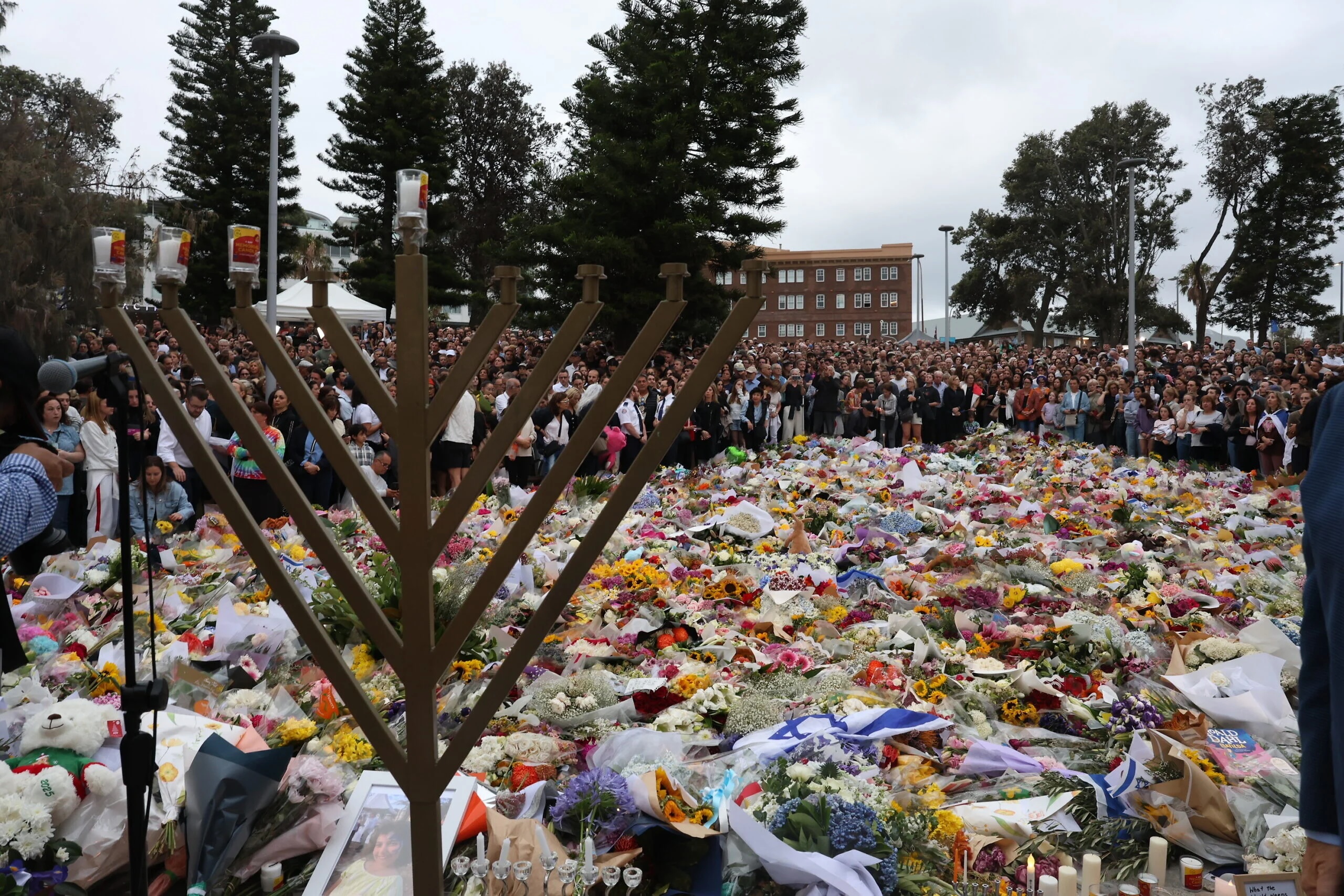
It started as so many things do. With a conversation. And then another. And then a phone call from a friend of a friend who said, “I was there, and I want to talk about it.”
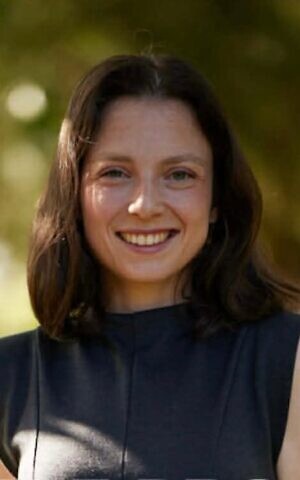
Psychologist and podcast producer Dr Maddie Brygel was involved in the psychological response to the community in the wake of the Bondi massacre. Through that work, she began to notice a running thread. Beneath the grief and the heartache were stories that deserved to be heard in full.
“I started to realise how many unique stories there were,” Brygel told The AJN. “At the same time, I started to realise how many common psychological themes were binding people’s stories together.”
The result is After Bondi: Survivor Stories, a podcast bringing together survivors and paramedics as they reflect on the events of December 14, and what has stayed with them since.
Once word got out that Brygel was working on the project, the community showed up.
“The Jewish community is really amazing,” she said. “As people started to hear that I was doing this podcast, I was inundated with phone calls and texts of people offering their time to do an interview.”
What sets the podcast apart is its focus not just on what happened, but on the inner world of those who lived through it. What went through people’s minds when they thought it was the end? How did they speak to their children? What did they find themselves looking back on?
“I hope that this brings a sense of collective strength to families affected by the massacre.”
For Brygel, one of the most striking patterns was the way survivors drew strength from Jewish collective memory.
“I had so many survivors tell me that they were thinking about October 7, or their grandparents in the Holocaust, while running from the gunfire,” she said. “To me, this pointed to a kind of collective Jewish consciousness that we hold, and how we gain strength from others before us who have encountered similar horrors.”
She was also moved by the way people took control of the one thing they still could. Their psychological response. One of the women she interviewed, Julie, spoke about the moment she realised the gunmen were coming towards them. Julie promised herself that her last image would be of her child, not the attackers. So, she refused to look up.
For both Julie and Brygel, that fierce instinct carries into the questions that came afterwards.
“People are asking us, how do you tell your kids that everything’s going to be fine?” Julie says in the podcast. “What I can tell my kids is, you have a mum and a dad that will do anything to make sure you’re safe, and will protect you from anything. That’s all I can tell my kids.”
In another episode, survivor Jessy describes shielding her daughter with her body, then hearing a small sound beneath her.
“I just felt her melt into me. We were sort of together, just in this protected golden space,” Jessy recounts.
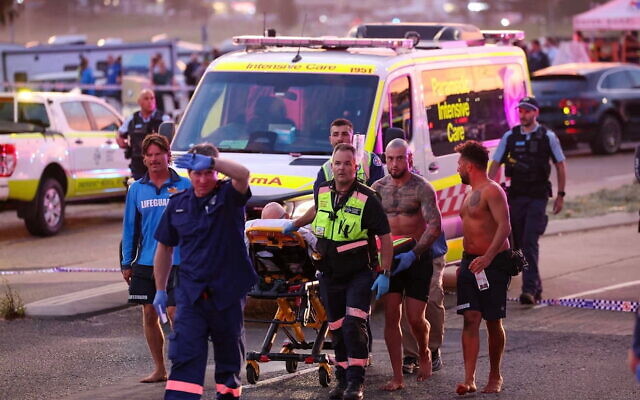
The podcast also features an episode dedicated to Community Health Support. Brygel interviewed volunteers about what they witnessed that night, and the particular weight of responding to a scene where the injured could be people they knew. Almost all of them knew someone who was there.
Brygel told The AJN that it’s CHS duty operations manager Hadley’s words that stay with her. “I was just waiting to see people I knew, which I did, who were injured or killed, and I was numb from the minute I arrived,” he said.
Another moment that moved Brygel was the story of CHS paramedic Zac, who treated a young man with gunshot wounds, only to discover the man was a CSG volunteer who had helped others to safety before being shot himself.
“It was this full circle of one Jewish emergency worker helping another that really struck me,” she said.
Despite the harrowing subject matter, resilience runs through the series. In one episode, Sorella reflects on what the community carries.
“The Jewish people are a miraculous people, and we have survived throughout the generations,” she said. “We’re in a lot of pain. We’ve had a lot of loss and a lot of fear and sadness. But also, we see truth. We feel stronger than ever.”
The response has been one of the podcast’s most meaningful outcomes, Brygel said, with messages arriving from across the broader Australian community.
For Brygel, holding the stories of survivors was both harrowing and meaningful. And now that it’s out in the open, she just hopes it brings a bit of healing.
“I hope that this brings awareness to people about the impact of antisemitism, and I hope that this brings a sense of collective strength to families affected by the massacre.”
After Bondi: Survivor Stories is now available to stream on Apple Podcasts and Spotify
comments