



How the media looked away from hostage horror
The media knew how to amplify claims of starvation when they served to indict Israel. But when Hamas inflicted clear, documented deprivation on Israeli civilians, the coverage all but vanished
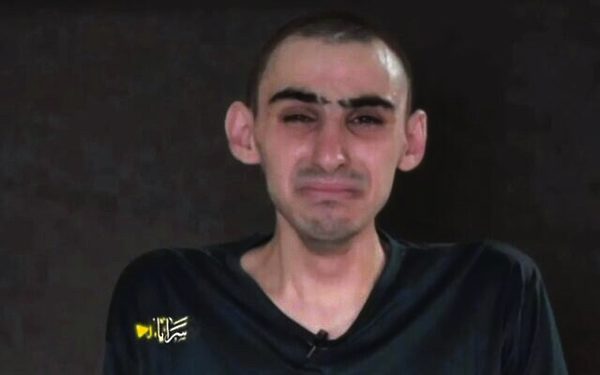
The footage is horrific. In two separate videos released by Hamas and Islamic Jihad, Israeli hostages Rom Braslavski and Evyatar David appear gaunt, broken, and visibly emaciated. In the first, Braslavski – barely able to speak – says: “I’ve run out of food and water. If before they gave me a little bit, now there’s nothing. Today I ate three falafel crumbs – three crumbs.” In the second, David, also starved, is seen digging what appears to be his own grave in a Hamas tunnel.
These are the kinds of scenes that should have dominated headlines. The images are not only harrowing, but evidence of months-long torture, war crimes and psychological warfare. Yet, the international press mostly averted its gaze.
Where were the front-page splashes? The expert panels? The outrage?
These men have been held hostage for over 660 days. Their skeletal forms should have shocked the world. Instead, the media largely ignored the videos, or buried them in the coverage.
And here’s where the double standard becomes impossible to ignore.
comments