



Israeli researchers eye ChatGPT for genetics
Scientists are developing LLMs trained on biological data to transform how we understand and treat disease.
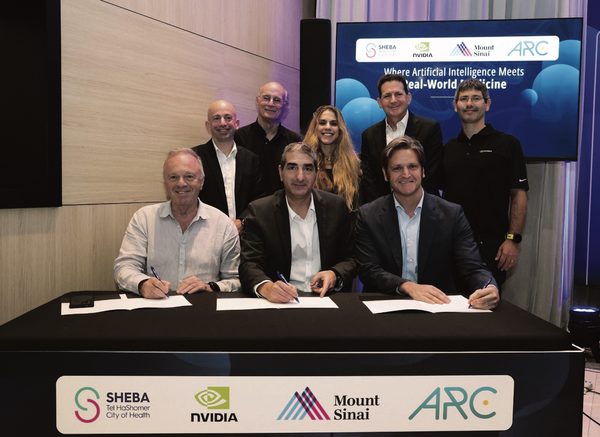
(TIMES OF ISRAEL) The emergence of artificial intelligence programs like ChatGPT, which can create complex content that resembles human creativity, was made possible by converging huge amounts of data available online with high computational power.
Now Israeli scientists at Sheba Medical Centre have teamed up with US chip giant Nvidia and New York City’s Mount Sinai Hospital to create large language models (LLMs), using the same type of technology that powers applications like ChatGPT, but are trained on the biological language of our bodies, to better understand and treat the diseases that afflict us.
“We want to create a type of ChatGPT of genomics that will allow users to put in a whole genome sequencing of a person and will be capable of answering questions about health risks, or what’s the best drug or treatment for a disease based on the unique genetic makeup of a person,” Avner Halperin, CEO at Sheba Impact at the ARC Centre of Digital Innovation, told The Times of Israel.
“It is a mind-blowing project for truly understanding the force of life that touches at the very core of how the human body works and why each of us is slightly different,” he said.
The three partners are embarking on an ambitious three-year project at an investment of tens of millions of dollars to create a research engine that harnesses generative AI to decode the majority of the human genome – the genetic blueprint for human life – that remains poorly understood.
comments