



Jewish leaders welcome Royal Commission
ECAJ and ZFA praise scope of inquiry while emphasising the need for rigorous investigation.
Jewish community leaders have welcomed the establishment of a Royal Commission into antisemitism and the Bondi Beach terrorist attack, praising the breadth of the terms of reference, while federal Opposition Leader Sussan Ley accused Prime Minister Anthony Albanese of being forced into the decision after weeks of resistance.
Executive Council of Australian Jewry president Daniel Aghion KC said the government had made the right decision in heeding calls from the Jewish community, families affected by the Bondi Beach shootings and many others.
“We are especially grateful to the eminent artists, lawyers, business leaders, sporting legends, political figures, women’s organisations and other groups who added their powerful voices to this call,” he said.
Mr Aghion said the terms of reference must allow “an honest examination of government policies and the conduct and policies of key institutions and figures in major sectors of our society in contributing or failing to adequately respond to the unprecedented levels of antisemitism in Australia over the past two years or more.”
“This is the only way that Australia’s time-honoured standards of decency and fairness can be upheld,” he said.
The ECAJ will co-operate fully with Royal Commissioner the Honourable Virginia Bell AC and will make every effort to ensure the community’s views and experiences are brought to the forefront of the inquiry.
Mr Aghion said the Commission should examine key drivers including ideological, political and religious extremism, and assess the adequacy of government, law enforcement and institutional responses.
He said it should review “the extent to which the Jewish Community should reasonably be required to protect itself and fund that protection, as well as the role of universities, trade unions, political parties, media, social media platforms, and funding sources in amplifying antisemitism.”
The ECAJ president said given the breadth of issues involved, the Commission should comprise a Commissioner and specialist advisers with expertise in understanding and counteracting antisemitism, counter-extremism, counterterrorism, policing and law enforcement.
Zionist Federation of Australia president Jeremy Leibler said the establishment of a Royal Commission was “a necessary and important step.”
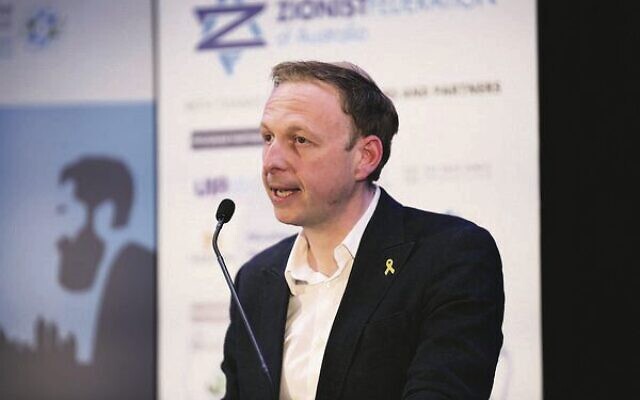
“The scope of its terms of reference provides a strong foundation for meaningful outcomes,” he said.
“The work now is to ensure the Commission is able to examine all relevant issues fully and rigorously, so it can follow the evidence wherever it leads and deliver practical reforms that strengthen the safety and wellbeing of Jewish Australians and the broader community.”
ZFA CEO Alon Cassuto said the Jewish community had been living with the consequences of “a sustained and unprecedented rise in antisemitism.”
“This Royal Commission must help answer how this was allowed to take hold in Australia, and what must now change to ensure Jewish Australians can live their lives safely and without fear,” he said.
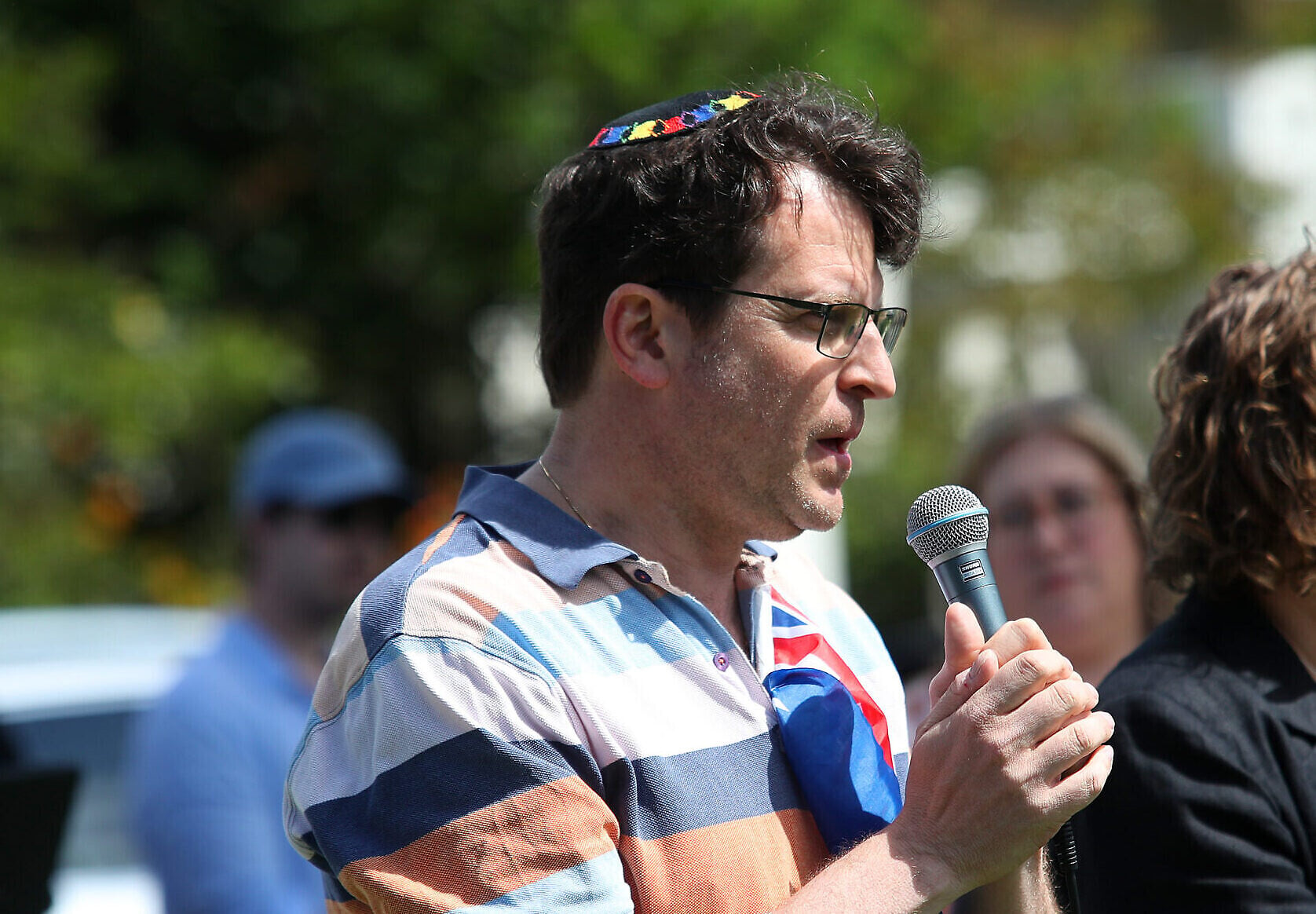
Federal Member for Macnamara Josh Burns said he had been advocating within government for a national Royal Commission into antisemitism in Australia for over two weeks.
“I welcome the announcement by the prime minister, and I am grateful for the many conversations we have had over the past fortnight. In each of them, he was willing to discuss the hard truths. He did not look away,” Mr Burns said.

Photo: Giselle Haber.
“I think about the moment I asked a group of young Jewish students from Beth Rivka College, during their visit to Canberra, whether they had experienced antisemitism. Basically, every hand went up. And I think about the quiet conversations happening around dinner tables across the Jewish community. Australians who are questioning their place in our country. And for too long, these experiences have been dismissed or minimised. That cannot continue.”
Federal Independent Member for Wentworth Allegra Spender welcomed the announcement, saying the December 14 terrorist attack was the worst in Australia’s history and had shattered Australia’s sense of itself.
“We owe it to the victims, their loved ones, the Jewish community and the wider Australian community to learn the lessons of December 14 so that we have the greatest chance of preventing future attacks and, importantly, supporting greater social cohesion,” Ms Spender said.

“Modern Australia is built on the idea that your safety and acceptance don’t depend on your race, religion, sexuality or any other characteristic. That promise was violated for the Jewish community on December 14 and must not happen again.”
“We must draw bright and nationally consistent lines between disagreements and deliberately inciting hate across our diverse community,” Ms Spender said.
However, Opposition Leader Sussan Ley launched a scathing attack on the Prime Minister, saying the decision was “not an act of leadership” but “an admission that his litany of excuses have collapsed.”
“Anthony Albanese relented, not because he believed a Commonwealth Royal Commission was the right thing to do, but because he was forced to do so by the Australian people,” Ms Ley said.
She accused the Prime Minister of attacking the proposal on timing and scope, claiming it would platform antisemitism, and asserting he had national security advice against holding one.
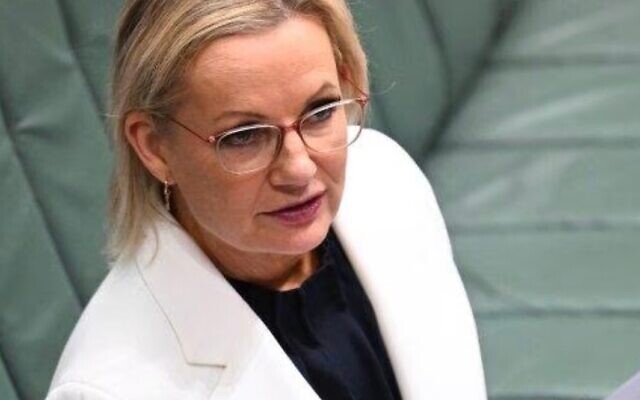
“This delay was not caution or careful consideration, it was weakness,” Ms Ley said.
“For weeks, he sheltered behind reviews, talking points and procedural distractions.”
Ms Ley said the decision to appoint a sole Commissioner demonstrated the Prime Minister’s failure to grasp the gravity of the issues at stake.
“A single Commissioner is inadequate for an inquiry of this scale, complexity and importance,” she said.
The Opposition Leader said the Coalition had been clear that a proper Commonwealth Royal Commission required three Commissioners: one with deep judicial experience, one with national security expertise and one drawn from the Jewish community with lived experience and understanding of antisemitism.
The NSW Government welcomed the federal decision and announced its own Royal Commission would not proceed.
“This was the worst terrorist attack our state has faced, and the community deserves clear answers about how it happened and how it can be prevented in the future,” the NSW Government said in a statement.
“NSW will fully co-operate with the Royal Commission and provide whatever assistance is required to support its work.”
comments