



JNS editor: Arab turnout reshaped election
The change bloc expected to approach 60 seats and finished under 50. Ariel Kahana calls that a failure, and Netanyahu’s result a success
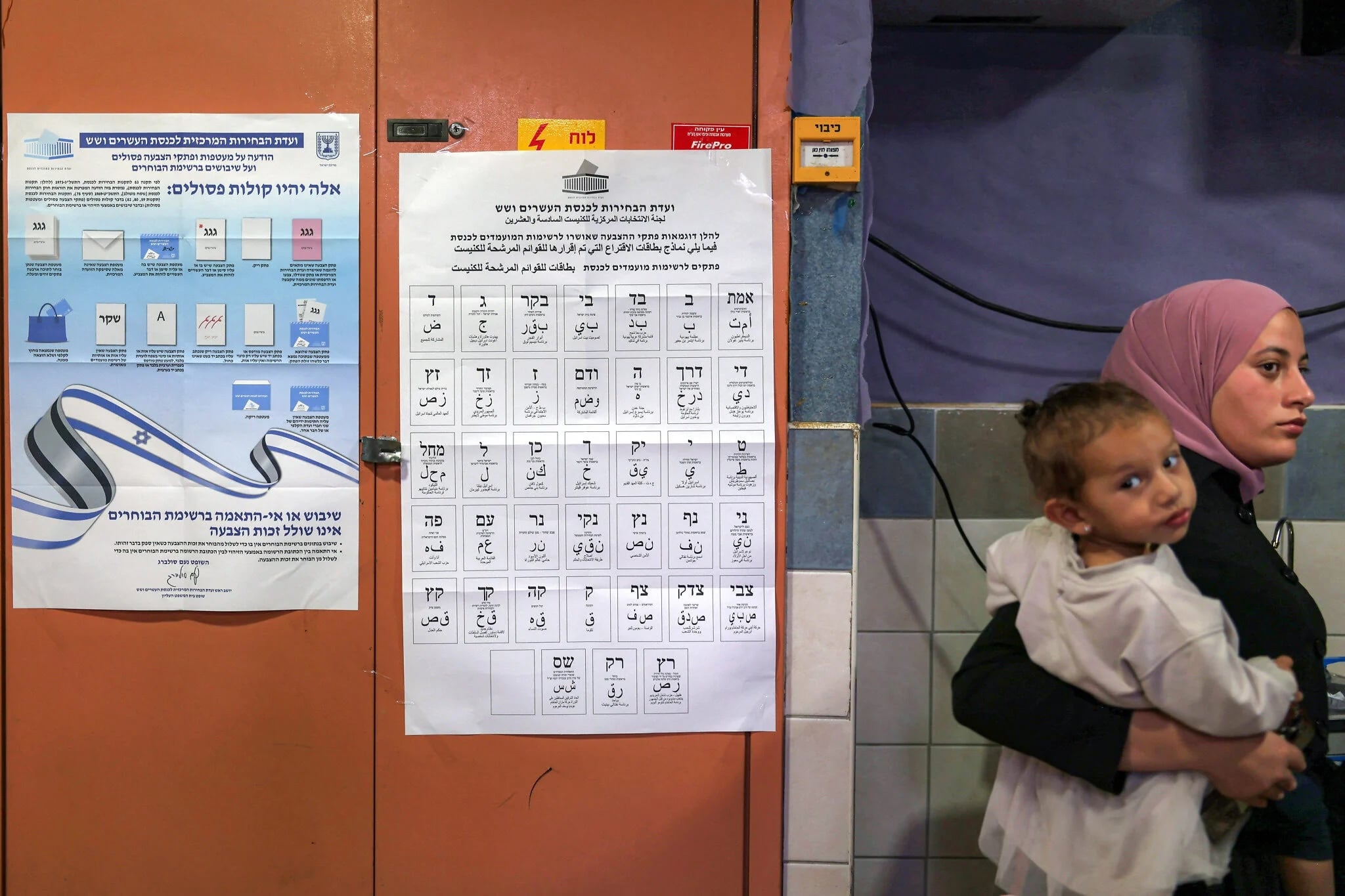
The biggest surprise of Israel’s election was the surge in the Arab vote, which pushed the two Arab parties to a record result and raised the electoral threshold enough to knock smaller parties out of the Knesset, Israeli political journalist Ariel Kahana says.
Kahana, managing editor of JNS Israel, told the Australian Jewish Association’s weekly speaker series on Wednesday, with about half the vote counted, that almost nobody had anticipated the result. “Almost no one expected they’re going to have 16, 17, maybe even 18 seats in the Knesset, and that’s breaking all records,” he said.
The consequence was arithmetic. “If in previous elections it used to be, let’s say, 40,000 votes for a mandate, so now it becomes close to 48, even 50,000,” Kahana said, meaning several smaller parties failed to clear the four-seat minimum.
Kahana said the final polls, taken the Friday before the vote, had been inaccurate, with only i24’s pollster getting close. He attributed it to a late shift in the last days and to the declining reliability of polling methods that now rely on text messages and WhatsApp rather than landlines.
He also credited a Netanyahu bloc operation on election afternoon that he described as remarkable, saying he received three calls from right-wing activists at 8pm, 90 minutes before polls closed, asking whether he had voted. “The pressure on potential voters to take people out was really remarkable, and it had an effect.”
comments