



Let us stand with the Druze
A test for those who speak loudly of human rights but hesitate when the victims are unfashionable or forgotten.
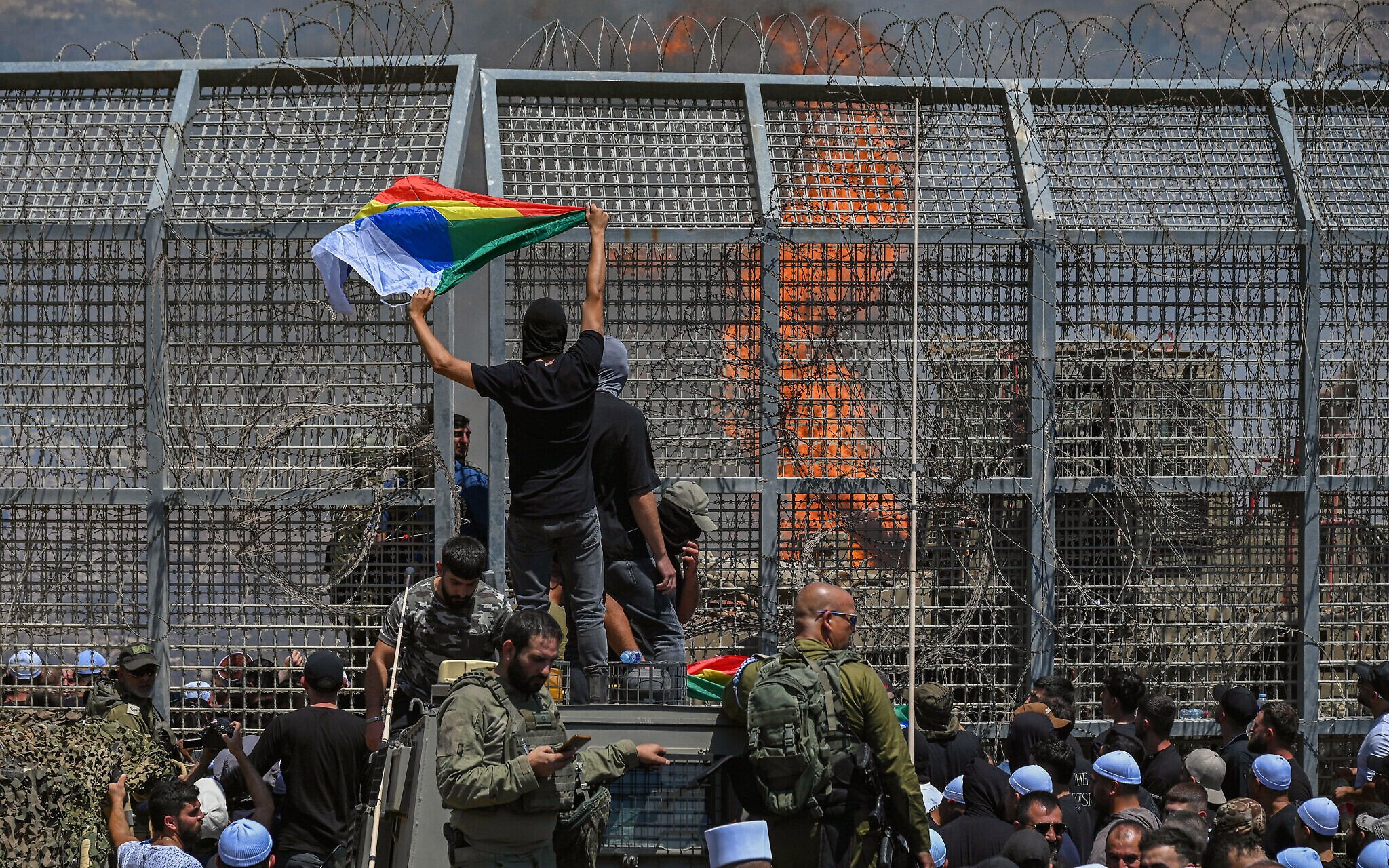
I first came to know the Druze through a family I befriended in Canberra in 2018. Our children attended the same school and our friendship has endured across continents. That family now lives once again on Mount Carmel in northern Israel – loyal citizens, guardians of tradition and people of quiet strength. They live in peace and with full rights as citizens of Israel. Just 140 kilometres to the east, however, their co-religionists in Syria face mortal danger.
The Druze are a proud, tight-knit community found across northern Israel, southern Lebanon and southwestern Syria. In recent months – and especially in the past week – Druze villages in Syria’s Sweida province have come under sustained and violent assault. The perpetrators appear to be a mix of Bedouin tribal fighters and militias aligned with Syria’s interim government, led by Ahmed al-Sharaa, better known as Abu Mohammed al-Jolani – a former al-Qaeda commander and the country’s de facto ruler. His so-called transitional government is proving to be as lawless as it is violent.
Since late April 2025, more than 200 Druze civilians have been murdered in coordinated raids. Reports describe extrajudicial executions in guesthouses, armed attacks on places of worship, looting, arson and widespread terror. In just three days in mid-July, Jolani-aligned units escalated operations in Sweida and Sahnaya. While some claims – such as the forced shaving of Druze men’s moustaches – remain unverified, there is no doubt that the intent has been to humiliate, intimidate and break the Druze will to resist.
Israel responded with rare force. On July 16, it launched precision airstrikes deep into Syrian territory, targeting military and intelligence sites in Damascus. Israeli officials made clear that the strikes aimed to deter further attacks against the Druze and prevent enemy entrenchment near Israel’s northern border.
The Druze are an ancient ethno-religious minority with deep roots in the Levant. Their monotheistic faith emerged in the 11th century and combines elements of Islam, Gnosticism and Neoplatonism. They revere a spiritual lineage that includes Jethro (Shu’ayb), Moses, Jesus, John the Baptist and Muhammad – alongside a pivotal figure in their own tradition, the Fatimid Caliph al-Hakim bi-Amr Allah, who is believed to be a divine manifestation. Their theology is also shaped by classical Greek philosophy; Druze spiritual texts draw on the teachings of Plato and Pythagoras, especially regarding the soul, the pursuit of truth and reincarnation.
comments