



Liturgical practice preserves historical realities
Built over time to the format we know today, the siddur is so much more than a simple prayer book.
The paragraph “Av Harachamim (Father of Compassion)” in the Shabbat morning service recalling martyrs killed “al Kiddush Hashem” is generally associated with the 1096 decimation of the Rhine valley communities by the Crusaders. Accordingly, while there are varied customs in regard to the dates of its recital aside from at the end of Yizkor, in the case of festive dates when Tachanun is not said or as we declare Rosh Chodesh (Shabbat Mevarchim). Nevertheless, all Ashkenazic communities recite it on Shabbat Mevarchim Sivan and/or the first Shabbat in Sivan to recall the massacres of 1648/9, while many do so on Shabbat Mevarchim Iyar – also during the Sefirat HaOmer semi mourning period – as well.
But in many shules it is also to be recited this coming Shabbat Mevarchim Menachem Av. What is its relevance to this time of the year?
The usually heard reason is that both the Omer period and the Three Weeks have in common commemoration of exile-related tragedy, and accordingly commemoration of the martyrs through our history is appropriate. It is also a fact that its recital on this Shabbat is a less widespread custom than that of recital on Shabbat Mevarchim Sivan – although as was once the central European custom still evident from a statement in the “Singer” siddur, once the hallmark of English Jewry, that some who do not even recite it the whole year through make a point of its recital on the Shabbat before Tisha b’Av (as also, for the above-mentioned reason, on the Shabbat before Shavuot). So given that there must be logic to every accepted minhag (custom), what is the connection between Av Harachamim and the Three Weeks?
The answer, I suggest, is one that provides an additional insight into the tragic impact of the Crusades – and, simultaneously into the history of the millennia of exile that commenced on Tisha b’Av.
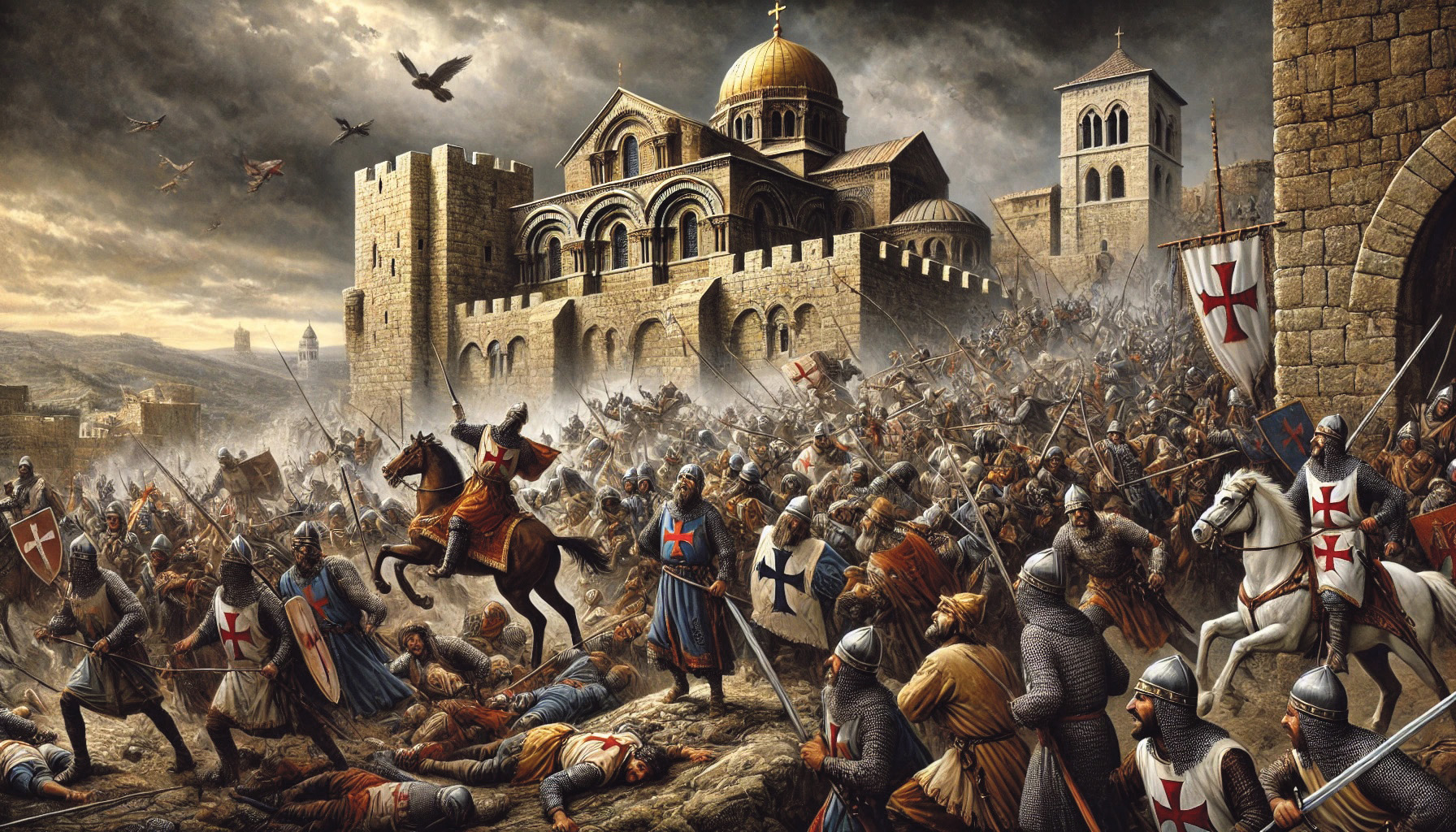
The events relating to the 1096 Crusader devastation in the Rhine valley that we recall during the Omer period and in Kinnot on Tisha b’Av may well be those most in the consciousness of Ashkenazi Jewry. But in actual fact they were only the precursors to what would occur three years later, when the Frankish Crusader army reached their destination – the Holy City.
comments