



Making child safety a priority these high holy days
Among the chaos of preparation for Rosh Hashanah and Yom Kippur, there's one thing that can't afford to slip through the cracks: the safety of our children
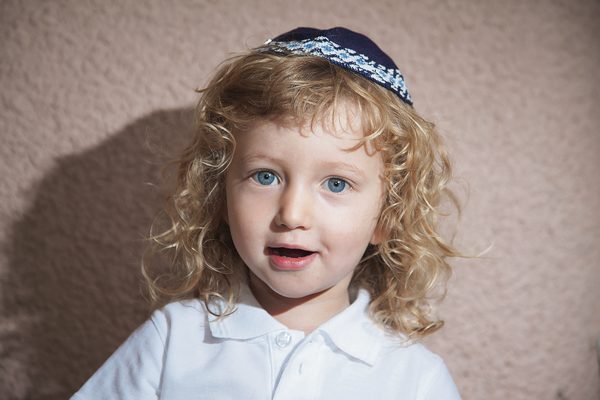
Picture this. A child leaves their seat during the busy Rosh Hashanah service to go to the bathroom in a pop-up shule set up at a school. There are crowds of people gathered on the premises, and many unfamiliar faces. The toilets are down an unsupervised hallway with a side door no one thought to lock. The child is gone longer than expected. No one is quite sure who’s keeping track of the child’s whereabouts. That feeling of panic? It’s avoidable with planning.
With Rosh Hashanah and Yom Kippur just around the corner, shules and community centres across the country are getting ready for the annual High Holy Day influx with childcare, hired chazzanim, pop-up overflow services and catered events. But among the chaos of preparation, there’s one thing that can’t afford to slip through the cracks: the safety of our children.
We all want our services to be welcoming, inspiring and well-attended, including by children. But they also need to be a safe space for every member of the community, especially our children.
That means boards, rabbis and communal leadership have a clear responsibility: to prepare now, not later. The risks don’t take a break over Yom Tov, and neither should our safeguarding efforts. We know that child safety risks increase during the High Holy Days: larger crowds, guest speakers, unfamiliar venues, temporary volunteers, hired contractors and overstretched staff. It’s on leadership to make sure systems are in place to prevent something from going wrong. Training starts now. Boards must lead the way. Every board member should be equipped to implement strong safeguarding practices across the organisation, especially when it comes to volunteers, youth leaders and casual staff.
Make sure your organisation has a child safety committee and clearly identified child safety officers who are present, visible and accessible. Not only during the High Holy Days but throughout the year. These trusted individuals must be prepared to respond swiftly and sensitively to any concerns that arise. Most importantly, they, and everyone involved, must be trained in how to recognise indictors of abuse, react appropriately, report concerns, and develop safety plans in line with organisation’s child protection policy, informed by the State’s Child Safe Standards.
Because when it comes to protecting children, we can’t afford uncertainty. We must be ready. Boards need to understand how to conduct additional safeguarding screening processes to prepare for this time of year. The processes relate to temporary staff and contractors including caterers, event managers and youth entertainers, who must all be screened. That starts – but does not end – with valid Working with Children Checks. Be warned. A Working with Children Check is not a foolproof screening tool. It is a limited tool that only identifies individuals with certain criminal convictions or formal findings. It doesn’t identify allegations that haven’t resulted in charges, concerning attitudes, red flags in prior settings, or behavioural risks. That’s why thorough reference checks and interviews that focus specifically on child safety are essential. Ask about how the person has responded to working with children, any child safety concerns in the past, and whether they understand boundaries and reporting obligations.
Site audits should be conducted throughout the year, but additionally at this time. Pop-up shules and temporary venues often have unlocked rooms, hidden corners, doors without visibility into rooms and unsupervised bathrooms. Every site should be audited before the holidays to eliminate blind spots and plan for proper supervision. Assign trained volunteers to key locations and make child safety officers visible to all.
Check your Child Protection Policy, especially the section on “managing persons of concern”. What happens if someone known or alleged to pose a risk to children walks into your shule on Yom Tov? Avoid scrambling in real time. Your policy should have clear processes to guide you.
Both Jewish and Australian law place the highest value on a child’s safety. In Jewish tradition, the call to protect the vulnerable isn’t just encouraged, it’s demanded. When a child may be at risk, we are obligated to act. Pikuach nefesh, the commandment to save a life, overrides nearly every other mitzvah. There is no greater priority. Remaining silent in the face of danger is a betrayal of our values. Safeguarding children is not a choice. It is a sacred duty, a legal obligation, and a profound moral responsibility.
And finally, a word to parents: Your children are your responsibility, and as always, should be monitored by you or a trusted adult. On top of that, never be afraid to ask your shule’s leadership what policies and procedures they have put in place to keep your children safe on their premises.
National Child Protection Week runs September 7–13, under the theme “Every Conversation Matters: Shifting Conversation to Action.”
Maoz is delivering a free pre-High Holy Day child safeguarding training session, to be held during Child Protection Week in both Sydney and Melbourne to help rabbis, shules and organisational leaders prepare for the high traffic, busy period, turning important conversations into critical actions.
Training is on Monday, September 8 at 7.30pm via Teams. Register to attend at maoz.com.au, under Training and Education.
Dr Michelle Meyer is president of Maoz.
comments