



Many voices, one people
Israel’s electoral system can bewilder Australians, but its roots predate the founding of the state.
By the time you read this article, Israel will already have held its elections. Some readers will be celebrating, others disappointed, and quite possibly everyone will still be trying to work out who will form the government.
For Australians, Israel’s electoral system can seem bewildering. Where are the local electorates? Why so many parties? And why does counting the votes so often mark the beginning of the political negotiations rather than their conclusion?
The explanation begins before the State of Israel existed.
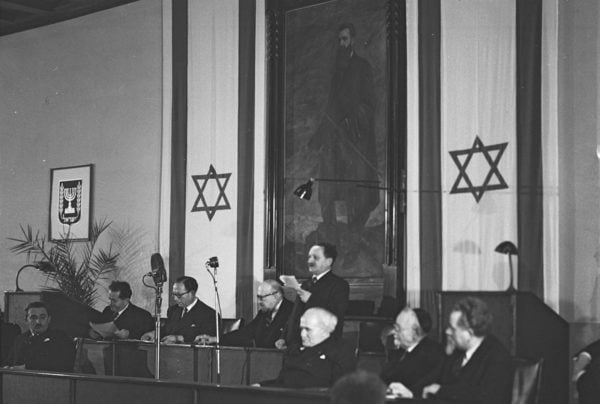
The Jewish community in Israel before the state’s establishment, known as the Yishuv, already had elected representative institutions. Its political movements disagreed passionately about religion, socialism, nationalism and the Jewish future. Proportional representation allowed these movements to retain their identities while participating in a common political framework. When Israel became independent in 1948, it inherited this system. The political diversity familiar to us today was present from the beginning.
There was a practical logic to this arrangement. A country absorbing immigrants from vastly different backgrounds needed to accommodate many communities and convictions. Representation gave these groups a stake in the shared national enterprise, even as it complicated the task of governing.
comments