



Mary-Claire King and the secrets written in our DNA
While pancreatic cancer is the eighth most commonly diagnosed cancer in Australia, it’s estimated that it will be the third most common cause of death from cancer in 2025.
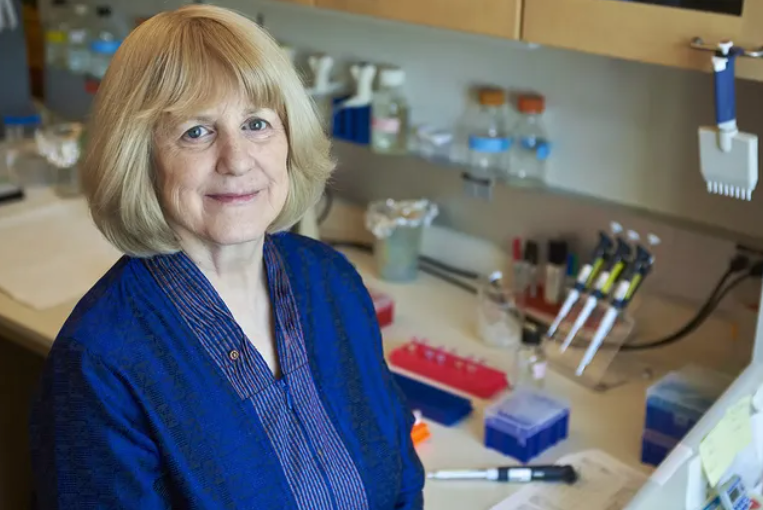
When Mary-Claire King began her work in the 1970s, she wasn’t setting out to change the lives of millions of women. She was simply trying to solve a mystery. Why did breast cancer seem to strike generation after generation in some families, almost as if it were an heirloom no one wanted to inherit?
At a time when the prevailing belief was that cancer came from the environment, for example diet or exposure to certain chemicals. But King felt there was something deeper threading these stories together.
For nearly 20 years, she followed that instinct with stubborn determination. While raising a daughter as a single mother and navigating a male-dominated scientific world, she sifted through data from families devastated by breast cancer. Each pattern she uncovered brought her closer to a revelation that many doubted could exist.
While pancreatic cancer is the eighth most commonly diagnosed cancer in Australia, it’s estimated that it will be the third most common cause of death from cancer in 2025.in 1990, King identified a gene on chromosome 17 that carried a terrible secret. A mutation in that gene, later named BRCA1, dramatically increased a woman’s chance of developing breast and ovarian cancers.
comments