



Media has spoken. Now for government
The royal commission is examining how institutions, leaders and media responded to rising antisemitism.
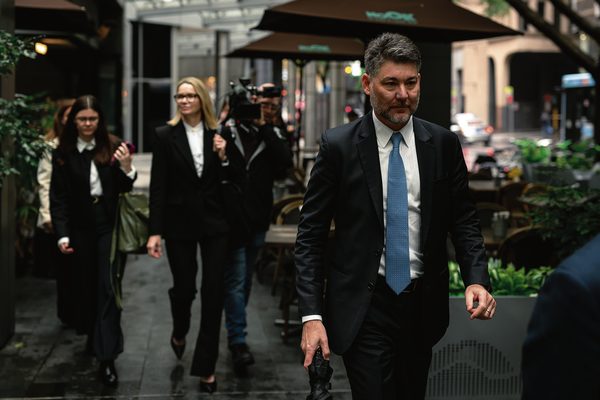
The Royal Commission on Antisemitism has taken centre stage. With the ABC and SBS appearing last week to give evidence, the inquiry is now confronting the national conversation at its most sensitive point: how public institutions, political leaders and media organisations responded to the sharp rise in antisemitism since late 2023.
Their testimony has reinforced a central truth that the commission cannot fully understand the environment in which antisemitism escalated without hearing directly from senior federal ministers.
The ABC and SBS evidence illustrates the pressures facing public broadcasters as they managed polarised debate, online hostility and the expectations of different audiences. Both organisations acknowledged the rise in antisemitic sentiment, the distress experienced by Jewish staff and viewers and the difficulty of maintaining editorial balance in an environment in which misinformation spreads rapidly and social media amplifies extreme voices.
Their testimony also made clear that editorial decisions are determined by the broader national climate, influenced by government policy, Cabinet messaging and the mood set by senior ministers.
This is precisely why ministerial evidence is now essential. The commission’s task is to understand how government assessed the threat, how decisions were made, and whether policy settings matched the seriousness of the moment.
comments