



New study uses AI to identify cancer cell groups
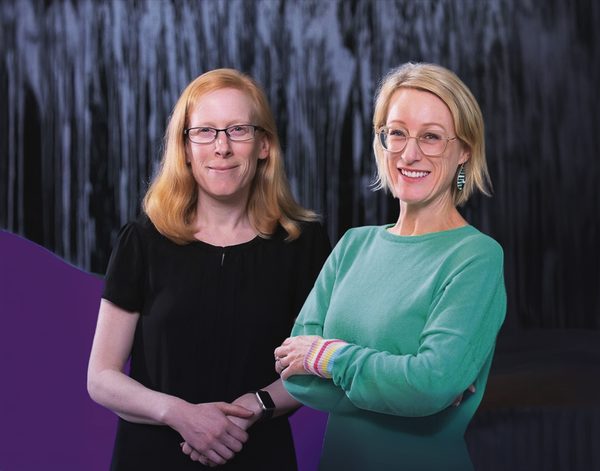
The Garvan's Professor Sarah Kummerfeld is contributing to research identifying cancer cell types in tumours.
In a first for cancer research, a new AI tool called AAnet has been developed in a four-nation study co-led by Sydney’s Garvan Institute of Medical Research, which has the potential to transform characterisation and treatment of cancers.
Tumours are not made up of just one cell type, and that heterogeneity makes cancer harder to treat, and can in turn lead to worse outcomes.
For example, one therapy that kills most cells in a tumour by targeting a particular mechanism, may leave other cancerous cells there, and a chance for the cancer to grow back.
While heterogeneity is a known problematic issue, researchers haven’t been able to clearly explain how adjacent cells in a tumour differ from each other, and how to classify those differences into meaningful ways – hence the need for a new approach.
The research team developed and tested AAnet to uncover patterns in the level of gene expression of individual cells, identifying five distinct cell groups within the same tumour.
comments