



At 6.29am on October 7, 2023, Ofir Amir was watching thousands of people dancing and celebrating life in the Negev desert. It was the third Nova event he had produced, and by far the largest, with more than 3500 participants.
Then, as missiles began to rain down on the partygoers, joy turned to horror, and hundreds of terrorists from Gaza overran the site, slaughtering everyone in their path.
Amir, a co-founder of the Nova Music Festival, slowly realised the enormity of the situation.
He tried to flee by car, but the terrorists attacked the vehicle. Shot in both legs, he ended up in an orange grove, lying on the ground next to his dying friend. He lay there for hours, playing dead, waiting for Hamas to find him and preparing for what he believed was certain death. He watched helplessly as his friend died next to him.
Remarkably, Amir survived, and three years on he is one of the producers of the internationally celebrated Nova Exhibition, which has travelled the world and drawn more than 700,000 visitors in Los Angeles, London, New York, Chicago, Washington DC, Miami, Toronto and Berlin.
Guests have included former British prime minister Boris Johnson, diplomats, religious leaders, celebrities, and school and university groups.
Now the producers are in negotiations with a number of Jewish organisations, with the hopes that the exhibition will reach Australia sometime next year.
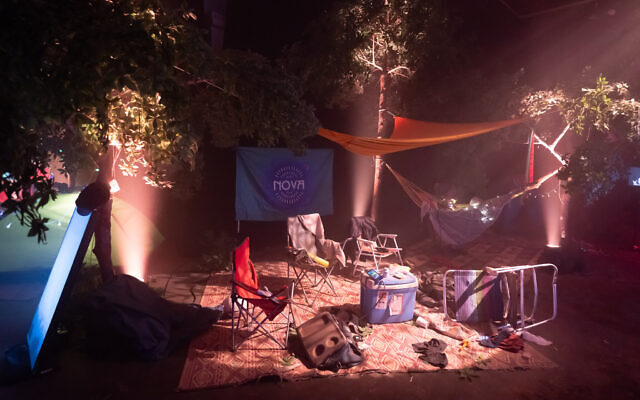
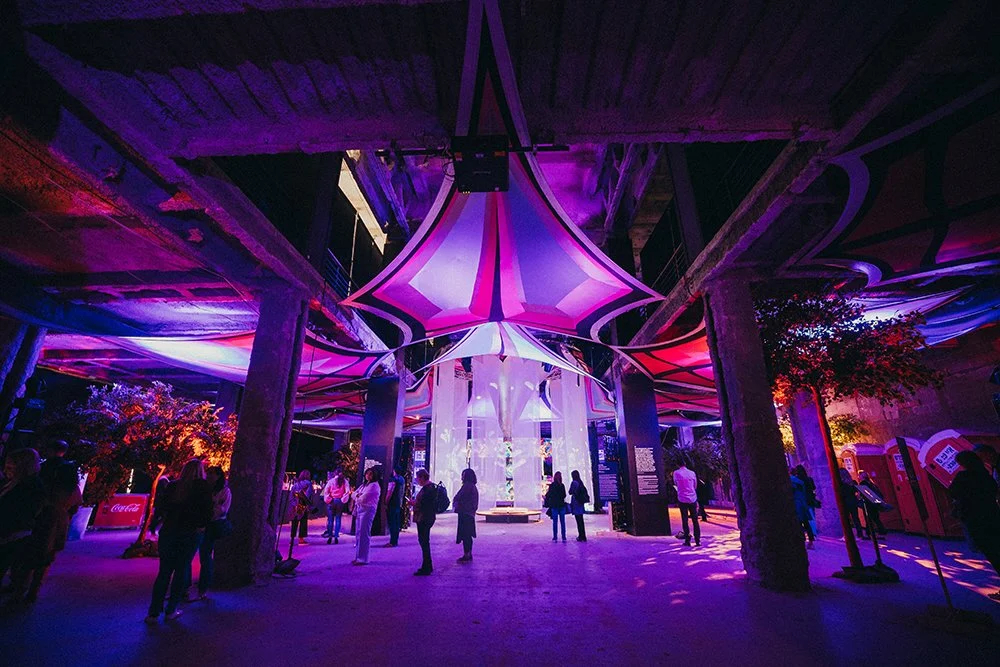
Titled ’06:29AM – The Moment Music Stood Still’, the exhibition leads visitors from the hours before the attack through a reconstruction of the festival grounds, with burnt-out cars and a recreated bomb shelter, to a memorial wall of the faces of those killed. The exhibition closes with footage of a healing concert held six months later, which visitors watch wearing silent-disco headphones. Amir said the exhibition has a purpose beyond remembrance.
“With this [exhibit] we can show the world what happened to us, to tell the truth, we can educate people, fight antisemitism because the message is very clear: It is about what happened at the biggest massacre in the history of music festivals,” he said.
He told the Spectator the exhibition is “not about a country, religion or taking sides”, describing its structure to the Jewish Chronicle as “a journey from the light to the darkness and back to the light”.
With rising antisemitism in Australia, Amir believes there is no better way to educate and combat this dangerous trend.
He believes bringing the exhibition to Sydney will not magically fix the problem, nor will it reverse the vicious Jew-hatred unleashed on October 7, and it will most certainly not end antisemitism. But it will help educate and expose thousands of Australians to the tragic reality of what took place on October 7.
Leo Pearlman, who produced the documentary We Will Dance Again about the festival, wrote in Jewish News UK that he had come to question whether the film reached the people who most needed to see it. A screen allows distance, he wrote, and understanding Nova may require proximity.
Pearlman has since described the exhibition’s effect on those who walk through it.
“For a moment, you are not remembering October 7; you are inside it, and the impact is visceral, physical, suffocating and undeniable,” he said.
He said the exhibition “will move the needle, stem the tide, and drag the truth kicking and screaming into the light in a way that cannot be ignored, rewritten, softened or explained away”.
At the end of the tour, visitors can speak with survivors, former hostages and relatives of victims.
Festival bartender Hila Fakliro told the newspaper that people did not have to change their opinion, only come and bear witness, while according to the Spectator, Stanford University student Taryn Thomas, who had been a prominent leader of antizionism rallies on campus, visited the Los Angeles exhibition expecting propaganda and said she found none.
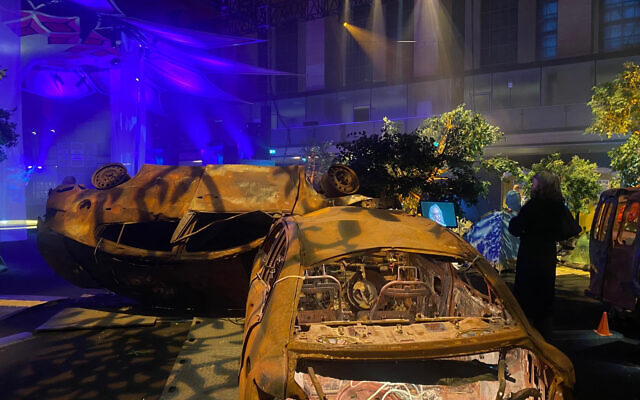
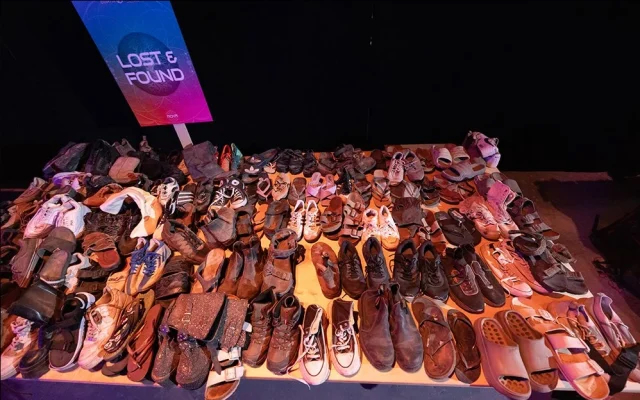
Alongside 40 other students from Stanford, Thomas stood in the middle of the exhibition, surrounded by scorched cars and shoes left behind, watching and listening to the calls for help. She said she was confronted with a truth that no social media post could capture.
“October 7 wasn’t a headline; it was a human catastrophe. The victims weren’t just numbers; they were people my age dancing one moment, fleeing for their lives the next. In that moment, I stepped out of political dogma and into human grief and empathy,” she told a gathering at Stanford last year, explaining that it led her to apply for a program to visit Israel and the West Bank.
The exhibition first opened in Tel Aviv in 2024. The Tribe of Nova Foundation was set up by the festival’s producers after October 7 and provides financial aid, and mental health and occupational therapy, to survivors and their families.
Sydneysider Sara Kahn, who visited the exhibition in London said she cried for the duration of her time inside.
“I heard the harrowing story of 41 year old Hanan from his sister. He was missing for three months, they then got word he had been taken hostage but they didn’t know his condition. His body was recovered after six months. We somehow need to get it to Australia.”
comments