



NSW restricts public assemblies following terrorist attacks
NSW Premier Chris Minns: 'There is a time for debate and protest in a democracy – but there is also a time for calm, care and unity'
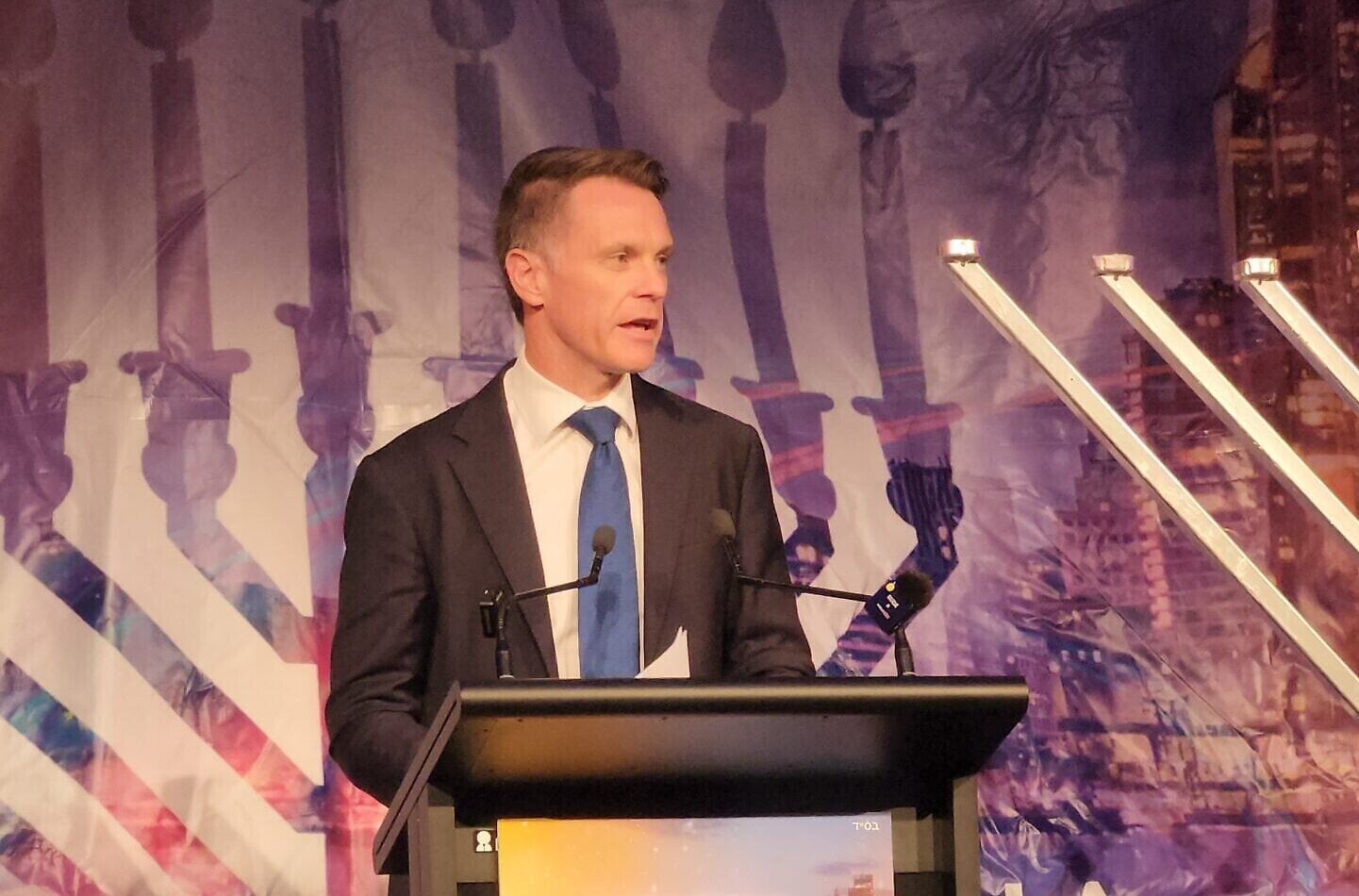
The NSW Government will restrict the authorisation of public assemblies in designated areas following a terrorist incident, to protect the community and prevent intimidation.
The reforms follow the Bondi Beach terrorist attack that claimed the lives of 15 people and build on powers already activated under NSW’s counter-terrorism laws.
When a terrorist incident is formally declared under the Terrorism (Police Powers) Act 2002, the police commissioner or deputy police commissioner, with the agreement of the police minister, will be able to declare specific areas where public assemblies are restricted for a limited period.
Premier Chris Minns said the scale of harm from the Bondi attack demanded a response that was decisive, sustained and unequivocal.
“This was a targeted terrorist attack that has shaken our state and devastated the Jewish community,” Minns said.
“There is a time for debate and protest in a democracy – but there is also a time for calm, care and unity. After an act of terror, public safety must come first.”
Once a declaration is made, no public assemblies in the designated area will be able to be authorised, including by a court. Police will have access to existing powers to move people on where their behaviour or presence causes harassment or intimidation or obstructs traffic.
A declaration may be made in specified areas where police determine public gatherings may be likely to cause a reasonable person to fear harassment, intimidation or violence or put community safety at risk.
A declaration will last for 14 days and can be extended by further periods of 14 days, for up to three months.
The powers are not designed to stop quiet reflection, prayer or peaceful gatherings that are not likely to cause fear or safety concerns. The restrictions and powers also do not apply to industrial action and associated assemblies.
Attorney-general Michael Daley said the government was protecting social cohesion by limiting public assemblies which risk inflaming community tensions following a terrorist attack.
“There are clear risks associated with large gatherings after the awful events at Bondi, and we do not want police resources unnecessarily diverted from the investigation to manage public assemblies,” Daley said.
“This is a targeted, time-limited measure which will give NSW Police the tools they need to ensure the safety and wellbeing of the community.”
NSW Jewish Board of Deputies president David Ossip described the changes as measured and decent.
“These are measured changes that do the obvious and decent thing, protect grieving community members from at best ignorant activists and at worst bad actors seeking to provoke conflict in the wake of a terror attack,” Ossip said.
“The right to protest is an Australian value but so is letting us come together without harassment and intimidation to mourn and support each other.”
Ossip said a free, respectful and cohesive society was at the heart of the promise of Australia but Sunday’s violent murders were tragic proof that it was also a fragile and much damaged ideal.
“These changes will only apply in the wake of a terror attack and more will be needed to stem the bile and hate we’ve seen at protest after protest in our cities, outside our synagogues and our institutions,” he said.
The new measures sit alongside laws already passed by the NSW Government including a new offence for inciting racial hatred, new protections for places of worship with strong penalties and increased powers for police, and laws banning the public display of Nazi symbols on or near synagogues, Jewish schools or the Sydney Jewish Museum.
comments