



Parties respond to ECAJ policy questionnaire
There are stark differences between the parties on tackling antisemitism, the status of west Jerusalem, UNRWA funding, UN voting patterns and the recognition of a Palestinian state
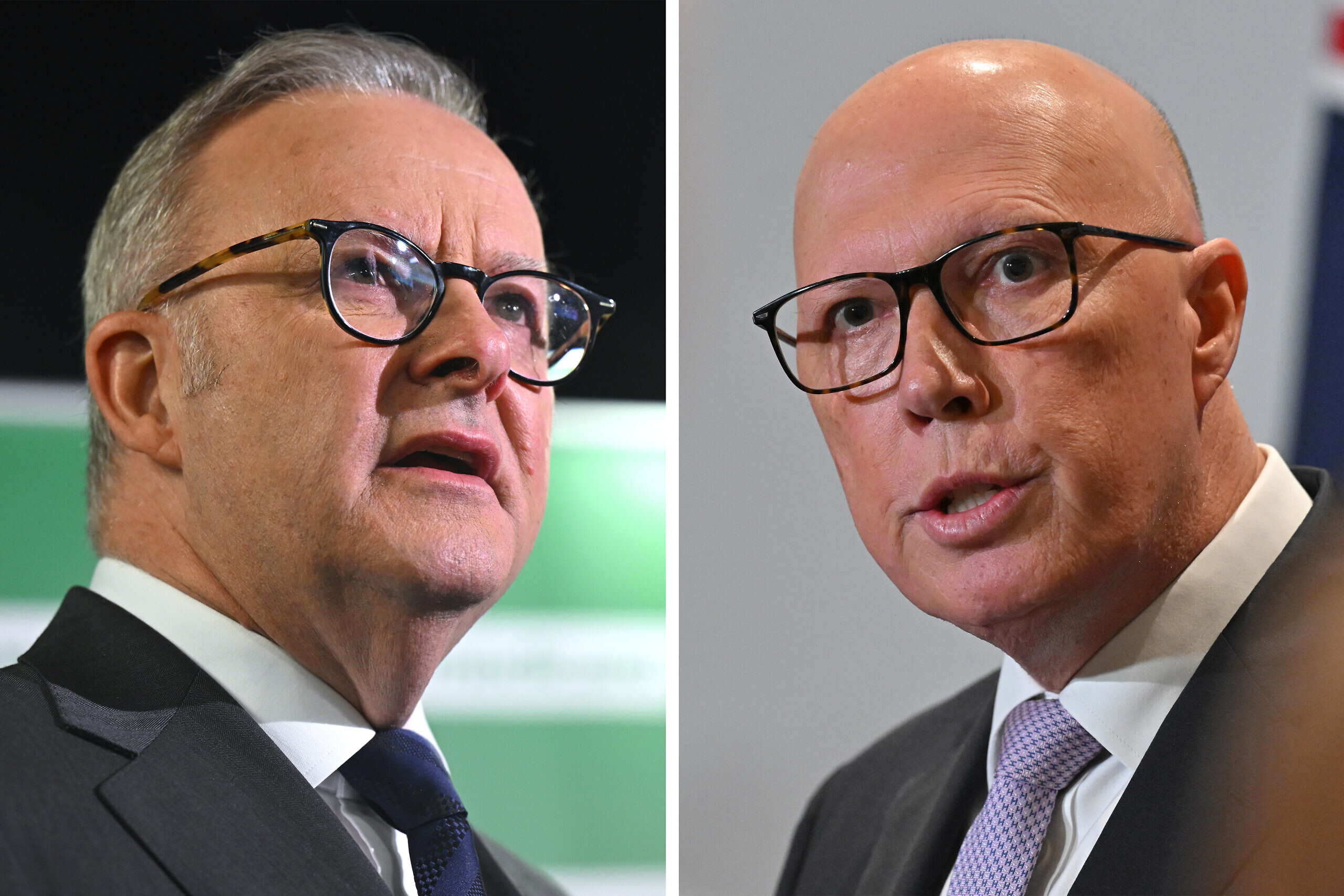
A cold-case taskforce examining unresolved acts of antisemitism in Australia since the Hamas terror attacks of October 7, 2023, is a key component of the Coalition’s pledge to make Jewish Australians safer in their communities.
Opposition Leader Peter Dutton said, if elected, his government would set up a national taskforce on antisemitism, including revisiting past cases in the nearly 18 months since the Hamas attacks.
The announcement stems from responses the government and opposition have made to a comprehensive Executive Council of Australian Jewry (ECAJ) pre-election survey of policies relating to the Australian Jewish community.
Their answers revealed stark differences between the parties not just on how to tackle antisemitism, but on the status of west Jerusalem, UNRWA funding, UN voting patterns and the recognition of a Palestinian state.
Notably the survey did not include the Greens, with an ECAJ spokesperson stating, “For the first time we have not sought responses from the Greens due to their consistent bile about Israel and the Jewish community.”
The opposition pledged not to enter any arrangement with the Greens if the Coalition were in a position to form government with the help of minor parties or independents.
The plan to launch a cold-case antisemitism taskforce follows condemnation from Jewish leaders of politicians and the Australian Federal Police (AFP) as “reckless and irresponsible” for downplaying antisemitism as the driving force behind a string of attacks on shules, homes and childcare centres in Sydney and Melbourne earlier this year.
The AFP’s assessments, quickly seized on by some politicians, had been that the alleged perpetrators were minor criminals fabricating a terror plot in order to reduce court sentencing against them.
However, it later emerged that alleged ringleader Sayet Erhan Akca was a known sharer of antisemitic online content, including neo-Nazi material and Holocaust denial.
The taskforce would be part of a Coalition security plan underpinned by a ministerial direction to the AFP to prioritise antisemitic attacks and review unresolved reports relating to harassment, vandalism, threats or intimidation.
The Coalition would also use ministerial powers to cancel visas of antisemitic offenders under the Migration Act, particularly where public safety is judged to be at risk.
In a statement to the ECAJ, a Liberal Party spokesperson said the spotlight would be on “doxxing, incitement, harassment, and the public display of terrorist symbols. This would include re-evaluation of any decisions to not proceed with charges for these offences.”
Meanwhile, the government referred the ECAJ to an earlier letter where it listed a slate of measures it has taken to combat antisemitism, including outlawing Nazi symbols, appointing an antisemitism envoy, expanding funding for security of Jewish community institutions, and setting up Operation Avalite, its own antisemitism taskforce.
However, Labor also indicated it would continue its controversial foreign policy, which includes conditional support for recognising a Palestinian state, a stance that some in the Jewish community – and Israeli PM Benjamin Netanyahu – have linked to increasing antisemitism in Australia.
A government spokesperson responded to the survey, “Recognition of a Palestinian state could occur as part of a peace process” but emphasised that the government “sees no role for Hamas in any future Palestinian state”.
ECAJ co-CEO Peter Wertheim stated that “there will be many within and beyond the Jewish community who will support the Coalition’s policy to ensure that individuals who engage in antisemitic conduct have their visas rejected or cancelled so they can be deported, and that organisations affiliated with antisemitic views do not receive taxpayer funding”.
comments