



Post-Pesach commemorations in our calendar
The recital of yizkor on last day Pesach provides a perfect segue into what follows.
A key number in regard to Pesach is the number four. As the story of Yetziat Mitzrayim unfolds we read of four expressions/promises of redemption that preceded the Exodus. In God’s words (Shemot 6:6) they read “v’hotzeiti – and I will take you out”; “v’hitzalti – and I will save you”; “v’goalti – and I will redeem you”; and “v’lakachti – and I have taken you (for a people)”.
Each of these expressions we celebrate with one of four cups of wine. And then there are the four questions of the “Mah Nishtanah” and the four sons around the seder table. In fact the whole of maggid – telling the story at the seder – is based on four verses in parashat Ki Tavo (Devarim 26: 5-8) that were recited by a grateful farmer who brought his first fruits (bikkurim) to the Beit Hamikdash.
But once Pesach has passed the number four does not fade away. In the ensuing weeks, amidst the seven weeks of counting the Omer, we also have four dates designated as “yom – the day”. In calendric order they are Yom Hashoah – Holocaust remembrance day commemorating the Warsaw Ghetto uprising and by association the Holocaust as a whole, Yom Hazikaron when we remember the over 25,000 fallen in wars in Israel (aside from victims of terrorism) as a prelude to celebrating our independence that came about through their sacrifice. Yom Ha’atzmaut – Independence Day itself, marks the date when independence took effect – May 15 and Iyar 5 – while Yom Yerushalayim Iyar 28 – when world Jewry and Yerushalayim were finally reunited in 1967.
And in fact these four dates, all modern additions to our calendar, are not only in order as per time, but also represent the ascent of our nation in modern history.
Yom Hashoah takes us back to the depths of hell – we survived but at what cost of suffering? – that still continues to this day. Yom Hazikaron also takes us through suffering as anyone who has visited the Har Herzl military cemetery on this day is well aware. Yet even amidst that mourning there is pride and hope – for those who gave their lives and did so with a spirit of achievement.
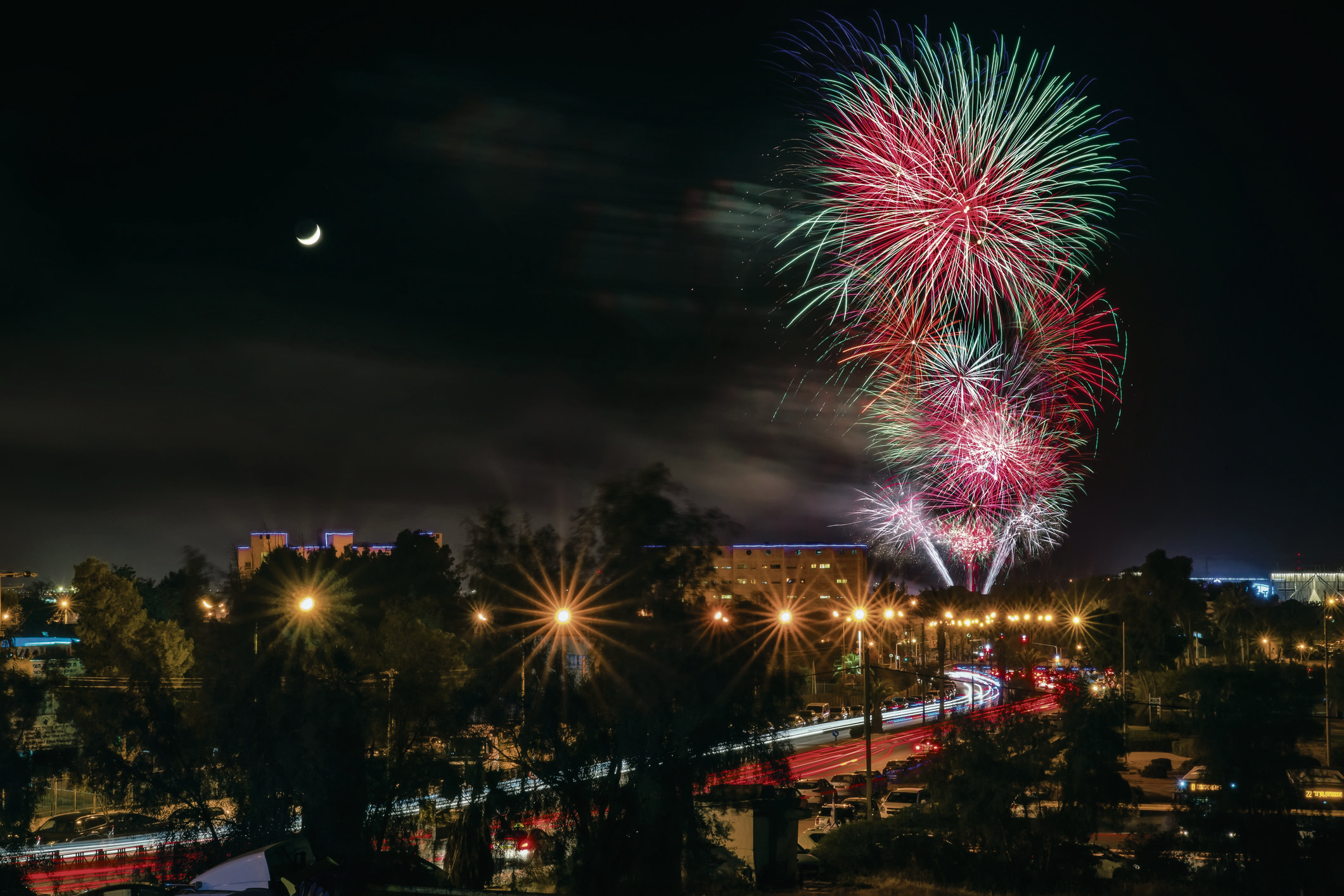
And then suddenly, as Yom Hazikaron ends, we hear a siren. Not the siren that we have heard so often in recent weeks (and earlier conflicts) warning of missiles and sending us to safe rooms. This is the siren of hope – the transition from mourning to celebration of the way that just three years after the end of the ultimate horror we returned to independence in our land – and I might add, with the blessing of the nations of the world who voted for the establishment of the State of Israel.
comments