



Remembering Golda Meir in an age of historical amnesia
The Golda Meir House Museum — a lovingly restored tribute to a woman who helped shape the modern world.
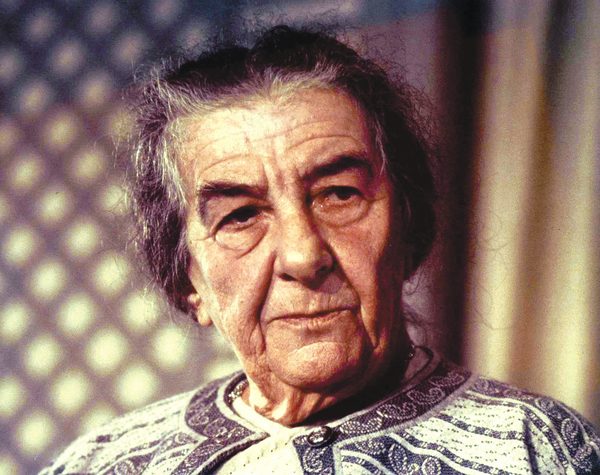
There is a small, unassuming house tucked away on the Auraria Campus in Denver, Colorado — and within it lives the legacy of a giant. Golda Meir, Israel’s only female Prime Minister and one of the towering figures of the 20th century, spent part of her adolescence in this very home after emigrating from Ukraine to the United States. Today, it stands as the Golda Meir House Museum — a lovingly restored tribute to a woman who helped shape the modern world. If you are ever passing through Denver, I urge you to visit. What you’ll find is not just a preserved residence, but a centre of memory, moral leadership, and enduring values too often forgotten in today’s climate.
During my recent visit, I had the privilege of meeting Lena, the museum’s Executive Director. Lena is far more than a curator — she is the embodiment of Meir’s legacy. Steeped in the life and lessons of her heroine, Lena speaks of Golda not as a figure confined to history, but as a living example of strength, service, and conviction. Her quiet leadership, fierce intellect, and evident pride in stewarding Meir’s legacy moved me deeply. It was a powerful reminder that the principles which built Israel — and indeed the free world — still reside in brave individuals today.
Golda Meir’s legacy deserves more than reverence — it demands relevance. Born in Kyiv in 1898, raised in Milwaukee, and a pioneer in Mandatory Palestine, Meir was a founding signatory of Israel’s Declaration of Independence and served in senior leadership from the 1940s through the turbulent 1970s. As Minister of Labour, she championed workers’ rights and expanded Israel’s social welfare system. As Foreign Minister, she steered Israeli diplomacy during its formative years. As Prime Minister, she led the nation through the Yom Kippur War with resilience and resolve. But it wasn’t just what she did — it was how she did it: with dignity, moral clarity, and unwavering purpose. A socialist who believed in the dignity of labour. A feminist before the word had widespread currency. A mother, a fighter, and above all, a stateswoman.
It is one of the great ironies of our age that Meir — a lifelong champion of the poor, of women’s rights, and of freedom — is now denounced by self-styled “social justice” activists who camp on university lawns claiming to speak for the oppressed. In the aftermath of the October 7 atrocities, when Hamas terrorists butchered, raped, and burned their way through Israeli communities, the contagion of campus protest swept across the West. Tent encampments appeared at Columbia, the University of Sydney, and indeed, at the University of Colorado — mere metres from the very home where Golda Meir once dreamed of a better world.
How quickly we forget.
comments