



Sounding the alarm on our terror alerts
ASIO chief Mike Burgess says Australia's terror alert system should better reflect today's threat environment.
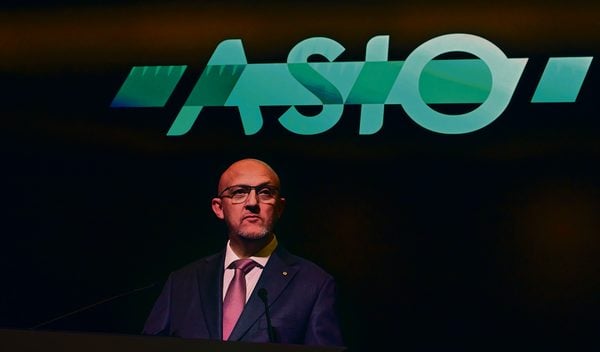
ASIO chief Mike Burgess recently revealed he is working with the Home Affairs department to overhaul our terror threat warning system introduced in 2014. Burgess says that the current threat level of “probable” underestimates the seriousness of the danger we face. ASIO has foiled 14 terror plots since Bondi.
Our five-level scale is not expected, possible, probable, expected, and certain. Any terror alert system isn’t a perfect science. A “not expected” alert isn’t a guarantee that a terrorist attack won’t happen. An “expected” alert is no guarantee that an attack will occur. Absolute security from terrorism through any national public warning system remains a pipedream: the intelligence driving it will always contain imprecision.
But our alert system can psychologically prepare the public by giving people an assessment at a particular time. It can increase the number of eyes and ears helping our security and law enforcement agencies. It can remind people to be vigilant and report suspicious activity. In Israel, there’s no formal alert system. The threat level would almost always be “imminent”, with a terrorist attack assessed as likely. Alerts tend to be in response to specific threats.
As far as Australia is concerned, our national threat alert system can be improved with some modest changes. While continuing to maintain a national approach — most state police websites on terror alerts refer the public back to the Australian government’s national security website for the alert level — if there’s a specific and credible threat, then an alert could be issued for that specific region, perhaps a state or a major city.
The Department of Foreign Affairs and Trade provides public information on risks in different countries where Australians might travel. The public is familiar with the “Smartraveller” system. We could extend that logic in our terror alert system inside Australia. Our security agencies and police would naturally, however, need to be mindful that an alert for a specific area may incline a terror cell to relocate to an area where the counter-terrorism focus might be lower.
comments