



The ballerina who fought back at Auschwitz
Franceska Mann's act has since been recognised as one of the most remarkable individual acts of resistance during the Holocaust.
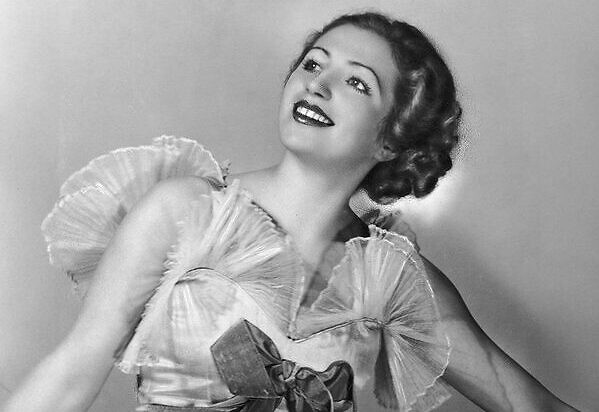
She was one of Warsaw’s most celebrated dancers. But Franceska Mann is remembered less for her performances than for an extraordinary act of defiance.
Born in Poland around 1917, Mann trained under the renowned choreographer Irena Prusicka and quickly became a star of the Warsaw dance scene. In 1939, she competed in an international dance competition in Brussels, where she reportedly dazzled audiences and judges alike.
When the Nazis occupied Poland, Mann continued performing, this time in the Warsaw Ghetto, where cultural life persisted as an act of collective resistance. Eventually, like so many others, she was deceived into believing she would be exchanged for German POWs and transported to safety.
On October 23, 1943, Mann arrived at Auschwitz-Birkenau as part of a group of Jewish prisoners told they were being resettled. Instead, they were ordered to undress in the camp’s undressing room before being led to the gas chambers.
What happened next has become legend.
comments