



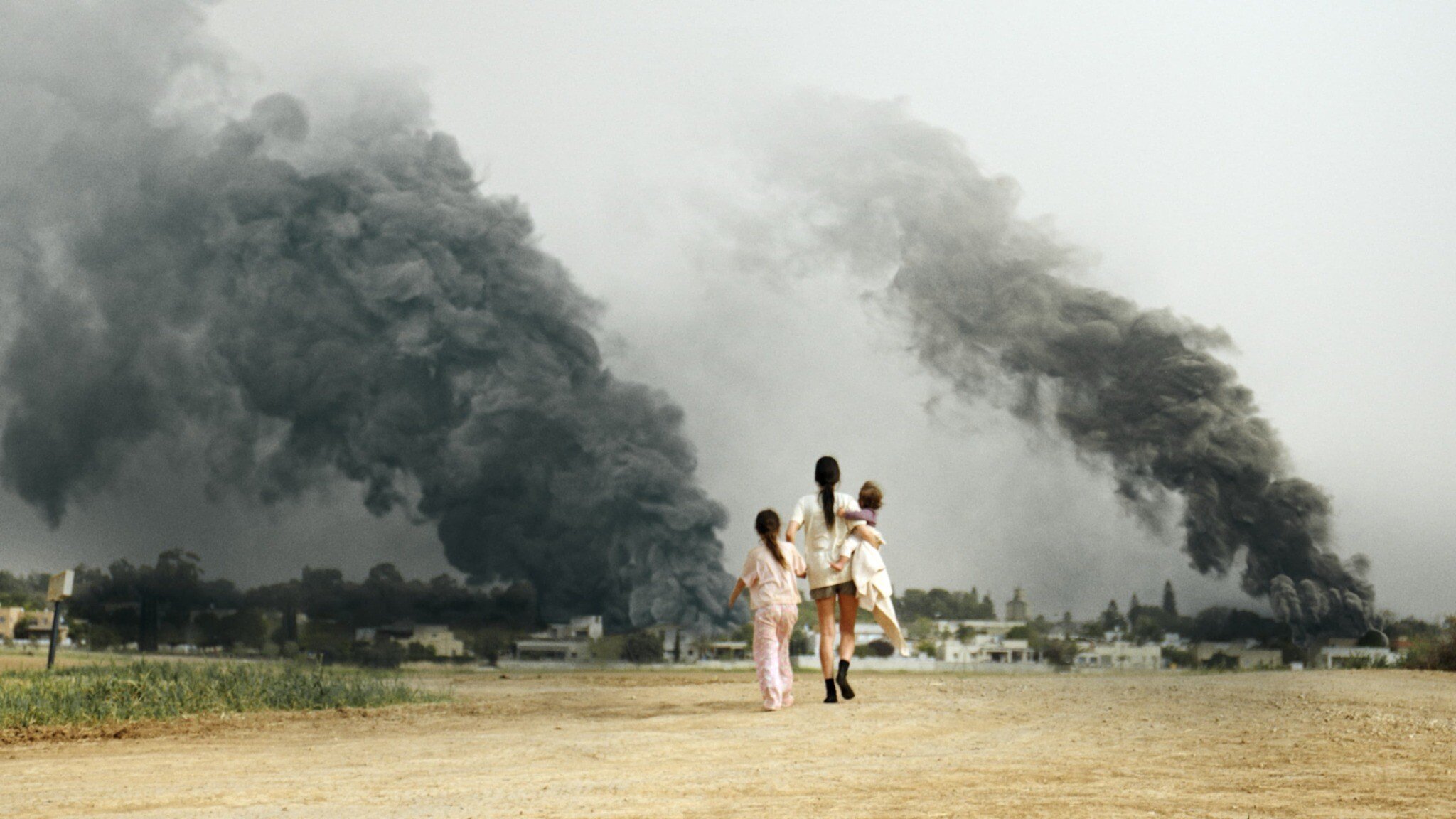
On October 7, 2023, Israelis were woken by sirens. Tzevah Adom. Red alerts.
As rockets fired into the country, thousands of Hamas terrorists and ordinary citizens from Gaza infiltrated Israel. They slaughtered more than 1200 people – men, women, children, the elderly – and took 251 hostages, including children.
Several documentaries have been made about October 7.
Today, Paramount+ premieres the first dramatised miniseries about that fateful day, showing the horror, chaos and courage of October 7 – Red Alert.
The four-episode event series reconstructs the morning of the attacks not through politics or statistics, but through the faces of ordinary people. It is a work of human storytelling, designed to bring viewers inside the homes, shelters, and fields of those who survived, and those who didn’t.
One thread follows Batsheva Yahalomi, portrayed by Rotem Sela, who fled with her two daughters while her son Eitan was kidnapped into Gaza and her husband, Ohad, was murdered in captivity.
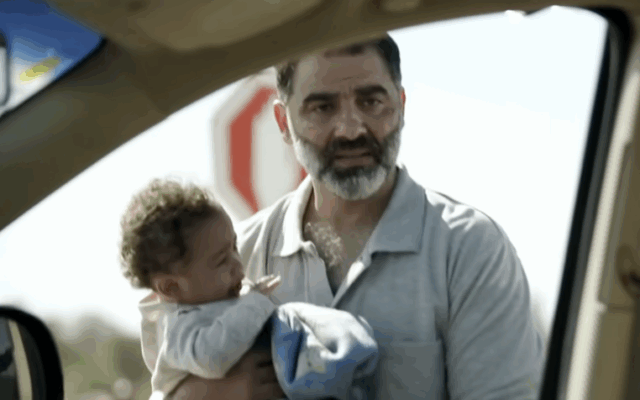
Another centres on a Bedouin father, Ayoub, played by Hisham Suleiman, who hides with his infant son after losing his wife to violence, later rescuing soldiers from ambush.
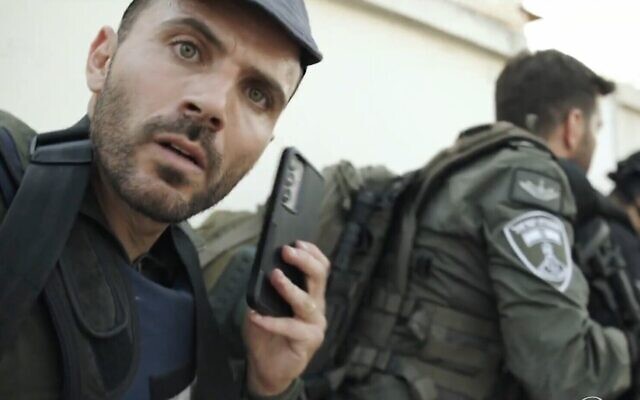
A third story tracks a woman from Ofakim, Tali (Sara Vino), who risks her life to evacuate the wounded, even carrying her own son, Itamar, to safety. There’s also Nofar, a border police officer caught in the massacre and injured while defending others, alongside colleague Liat, and Kobi, an anti-terrorism officer who runs directly into hell to save his wife.
Their stories intersect in a web of trauma and resilience, reflecting the many faces of that morning’s devastation.
The beginning of the series is eerily serene.
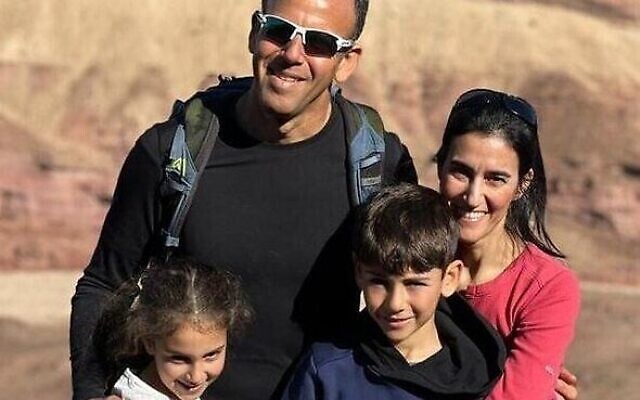
The first episode shows scenes from the lives of victims and security personnel on October 6. Ohad Yahalomi and his daughter brew ginger tea in the fields near their home, special security officer Kobi plays with his kids, and Supernova revelers enjoy the first hours of the music festival.
It quickly turns though, as viewers are taken into safe rooms, into homes barricaded by families and as security forces who were at the Nova Festival to bust drug dealers, but instead found themselves fighting terrorists.
Each episode offers fine attention to detail that underlines how the show’s creators worked closely with survivors to learn and convey their stories.
Behind the series is a collaboration between Keshet Media Group, Green Productions, the Israel Entertainment Fund and Hollywood producer Lawrence Bender — best known for Pulp Fiction and Inglourious Basterds.
Bender called the project “deeply personal,” saying, “It tells the story of our people and of a day that changed everything … What makes it so powerful is that it isn’t just drama — it’s real.”
The Yahalomi family is shown playing the Israeli card game Taki. Viewers see real photographs of the family on the walls. Kobi running through the streets chasing terrorists is contrasted against his wife hiding in trees.
The actors truly embody those who had to make impossible choices on that day.
These include Batsheva Yahalomi — who managed to escape an abduction attempt with her baby and young daughter, barefoot and in pyjamas, as her wounded husband lay bleeding in their home and her 12-year-old son was being taken to Gaza on the back of a terrorist’s motorcycle — and Tali Hadad, who drove her car through the terrorist-ridden streets of Ofakim, ferrying the injured to urgent care.
It is all supported by carefully chosen video footage from the actual day, showing the real Yahalomi searching for safety on the kibbutz, scenes from the Supernova festival, and highway footage of terrorists attacking random cars.
Ruth Efroni, who conceived of and wrote the series, posted on Facebook just a few days ago, that as they began to work on the storyline, she and her colleagues had naively believed that by the time they finished, all the hostages would be home, the war would be over, and the world would be moving toward healing and repair.
This is not entertainment in the traditional sense. It is art as testimony. For Israeli and Jewish audiences around the world, Red Alert becomes an act of remembrance — a cinematic memorial that refuses to let the story fade. As The Times of Israel wrote, it stands as “a harrowing global reminder” of that day’s horror, even as the pain of unreturned hostages and ongoing conflict continues to ripple outward.
Avi Nir, CEO of Keshet Group, said the deal with Paramount+ ensures the whole world has access to the stories.
“It is crucial that the world knows about that terrible morning, which for so many is still not over,” he is quoted as saying on Times of Israel. “Thanks and apologies are due to the heroes, the hostages, and the victims of October 7.”
In choosing to tell these stories, the creators of Red Alert are asking something of their viewers — not only to watch, but to bear witness. It is an invitation to sit with the grief, the bravery, and the humanity that defined that terrible morning, and to remember the people who lived through the unimaginable.
With The Times of Israel
Red Alert is streaming on Paramount Plus
comments