



The deeper significance of Yom Kippur
One does not always have to understand something to appreciate it.
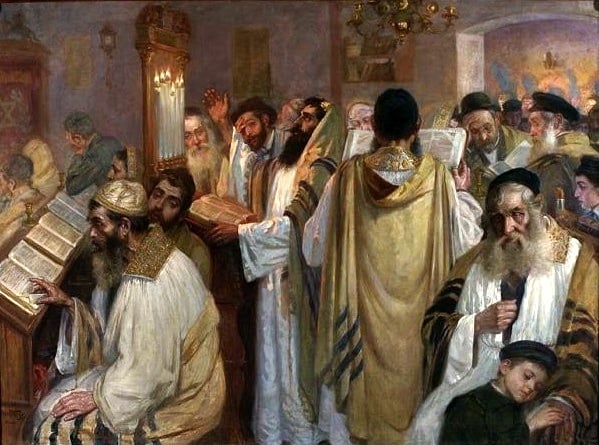
Each year I am amazed at the number of men, women and children not otherwise seen at shule, who pack shules and overflow minyanim on Kol Nidrei night, perhaps return for Yizkor and in most cases reappear for Ne’ilah.
What is it about Yom Kippur that regularly draws back to our shules those who don’t otherwise make an appearance? And I would add that they actually don’t just appear. They participate in the service to the best of their ability and in most cases, even fast. Surely if the less affiliated among us sought one expression of their religion they could find easier practices to keep.
The Torah tells us regarding one who does not fast (afflict themself) on Yom Kippur “venichreta hanefesh hahi me’ameha” – that soul is cut off from its people. While the Torah is speaking in the context of admonition and punishment regarding non-observance of the requirements of the day, I suspect that there is actually another truth underlying that statement: that one who does not participate in the observance of Yom Kippur is indeed indicating that they are so far removed from Judaism that they are cut off from the rest of their people.
The same is also written in regard to the seder – in that instance too almost everyone has some form of seder; one who does not would indeed appear totally unconnected to Judaism.
Perhaps there is also another aspect. One of the stranger statements of the rabbis regarding Yom Kippur occurs in the tractate Yoma, regarding the laws of teshuvah (“repentance” or “return”).We all know that the basic requirements of repentance are regret for that which has occurred and a decision regarding proper behaviour in the future. Yet speaking about Yom Kippur the rabbis stated that on Yom Kippur “itzumo shel yom mechaper” – the very day itself brings about atonement. There is something mystical about the day that tugs at the heartstrings of every Jew.
comments