



The importance of next week’s poll
Israelis will be voting on building a new version of Israel as a democracy and a Jewish state.
Hovering above the ideological differences, personalities and sloganeering in the lead-up to the October 27 Israeli elections has been the dark cloud of October 7. Parties and candidates debate numerous heavy questions arising from that dark Shabbat three years ago – who should be held accountable for what happened? How should October 7 be investigated? Who should lead the Jewish state out of the dire straits of being widely accused of genocide and war crimes and targeted with sanctions? And what would a plan to start healing a deeply wounded and traumatised nation look like?
Many commentators present the election as a referendum on the leadership of Benjamin (Bibi) Netanyahu, Israel’s longest-serving Prime Minister, who led the country during the October 7 terror attack and through the subsequent wars in Gaza, Lebanon and Iran. Pollsters typically divide the political map into the Netanyahu bloc – Likud, the religious and extreme right, and the ultra-Orthodox – and the ABBA (Anyone But Bibi Again) bloc, four diverse parties – right-wing, centrist and left-wing – who seek to replace him, without necessarily agreeing who should take his place.
But this division oversimplifies deeper questions at the heart of the 2026 election campaign. Above all, Israelis will be voting on building a new version of Israel as a democracy and a Jewish state.
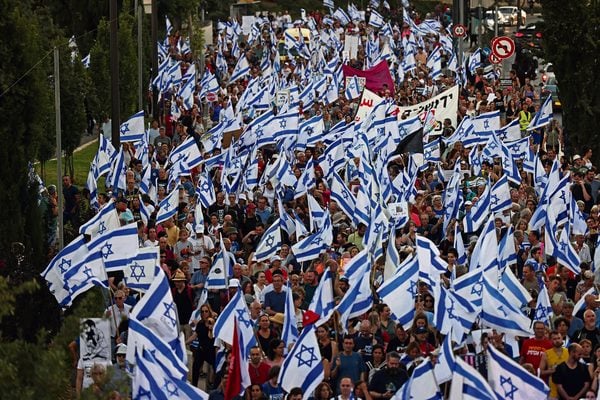
First, democracy. Prior to October 7, Israel was divided like never before on the Netanyahu government’s controversial judicial overhaul plan. Proponents of the reforms, which sought to increase the power of the Knesset and government vis-à-vis the judicial system, considered it a necessary step to weaken the “old elites” – the mostly secular establishment aligned with the centre and left – who allegedly hold a perpetual majority on Israel’s Supreme Court. Opponents warned it would undermine democracy by removing almost all judicial oversight of government decisions. Hundreds of thousands on both sides angrily protested in Israel’s major cities for months, many waving the national flag as if to say: “our side is the real Israel”. Tensions nearly reached boiling point.
Then came October 7 – an event that severely damaged the fundamental contract between the state and its citizens: loyalty, taxes and military service in exchange for security, stability and care for the future. When Hamas terrorists invaded the communities near Gaza, massacring, raping, kidnapping, and destroying, Israeli citizens were left unprotected and at their mercy for hours.
comments