



The quiet mechanics of civilisational decline
A fourteenth-century Arab historian explained how civilisations decay while their institutions still stand — and why nobody notices until too late.
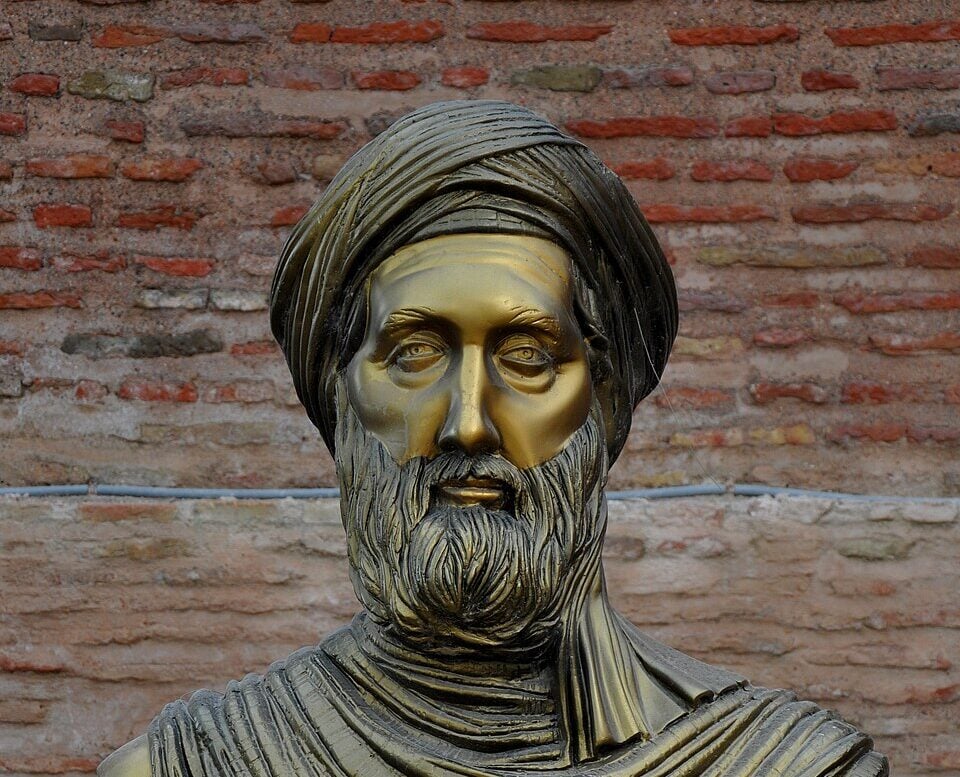
Most people in the modern West may have never heard of Ibn Khaldun.
That is a pity.
In an age when we reach reflexively for the familiar names — Plato, Aristotle, Machiavelli, Hobbes, Burke, Marx, Tocqueville, Churchill, Orwell — we often overlook one of the most original minds ever to write about history, power, social cohesion and decline.
Ibn Khaldun was a fourteenth-century Arab historian, jurist, statesman and political thinker. He was born in Tunis in 1332 and died in Cairo in 1406. His full name was much longer, as was common in the Arab and Islamic world, but history remembers him simply as Ibn Khaldun. The word “ibn” means “son of”, so the name itself reminds us that he came from a lineage, a civilisation and a tradition larger than himself.
He lived in a world of plague, political intrigue, dynastic rivalry, social fracture and civilisational exhaustion. He served rulers, advised courts, negotiated with power, was imprisoned, exiled, restored and displaced. He lived not as a cloistered academic watching history from a distance, but as a man repeatedly bruised by it.
comments