



The Three Weeks of mourning
Whilst the requirement that we remember Yerushalayim has no time limits, it is particularly relevant at his time of the year.
Get The AJN Newsletter by email and never miss our top stories Free Sign Up
We are now amidst “Bein Hamezarim” – the Three Weeks of mourning that extend from Tammuz 17 to Tisha b’Av when particularly amongst Ashkenazi communities certain restrictions apply to otherwise normal activity. Why mourn?
The Mishnah (Ta’anit 4:6) relates five events that took place on Tammuz 17 and a further five on Av 9.
Occurring exactly 40 days after Shavuot, Tammuz 17 was the date that Moses descended from the mountain, witnessed the worship of the golden calf and smashed the tablets bearing the word of God. Thus right from when Israel became a nation, Tammuz 17 symbolised rebellion and its consequences – a sin that has reverberated throughout the generations.
Just prior to the first (Babylonian) destruction, Tammuz 17 saw the temple service cease, owing to the absence of sacrificial animals in the besieged city. This foreshadowed the radical change in focus of Jewish worship to our contemporary format. At the time of the Roman siege, it was then that the city wall was breached, presaging the final three weeks of hand-to-hand fighting inside the city (as recorded by Jeremiah the Babylonian the siege began on Tammuz 9 but we are more concerned with the second siege as its impact is more long lasting). Earlier, a Greek officer named Apostomus had carried out the ultimate insult to Jewry by publicly burning a Sefer Torah (thereby also presaging antisemitic excesses for subsequent generations), following which an idol was placed in the temple.
Regarding Tisha b’Av, the five listed events span a similar though longer period. Upon the return of the spies sent to Canaan by Moses, the people cried. A heavenly voice decreed: “On this night you wept not wishing to enter the land. There will come a time when you will weep over being forced to leave it.”
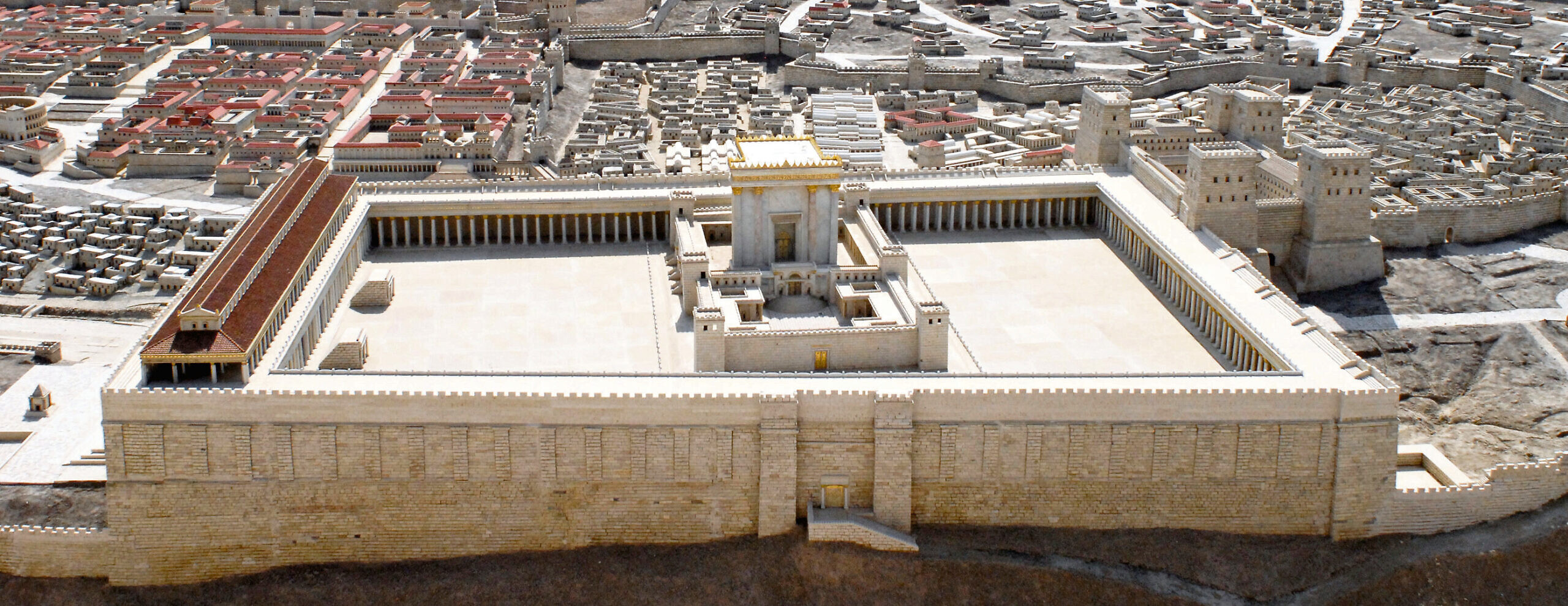
Both temples were destroyed on this date – long before the arrival on the world scene of those who now claim (prior) ownership of their so clearly evident former location. Following the Roman destruction, the Bar Kochba rebellion led to destruction of the fortress of Betar with unbelievable loss of life. Then came the total destruction of the remnant of Jerusalem. It was ploughed over; only the Western Wall remaining as a symbol of the greatness since destroyed.
However whilst not all of these events are specifically Jerusalem related, there can be no doubt that our focus at this time is on Jerusalem whose walls were breached, Temples destroyed and population exiled. And in the current era when our title to Jerusalem is so frequently queried, therein lies the answer to those who seek to deny our connection to the city.
comments