



This is the final battle, Pahlavi will return
'How can those who have spoken for years about human rights remain silent in the face of such a catastrophe?'
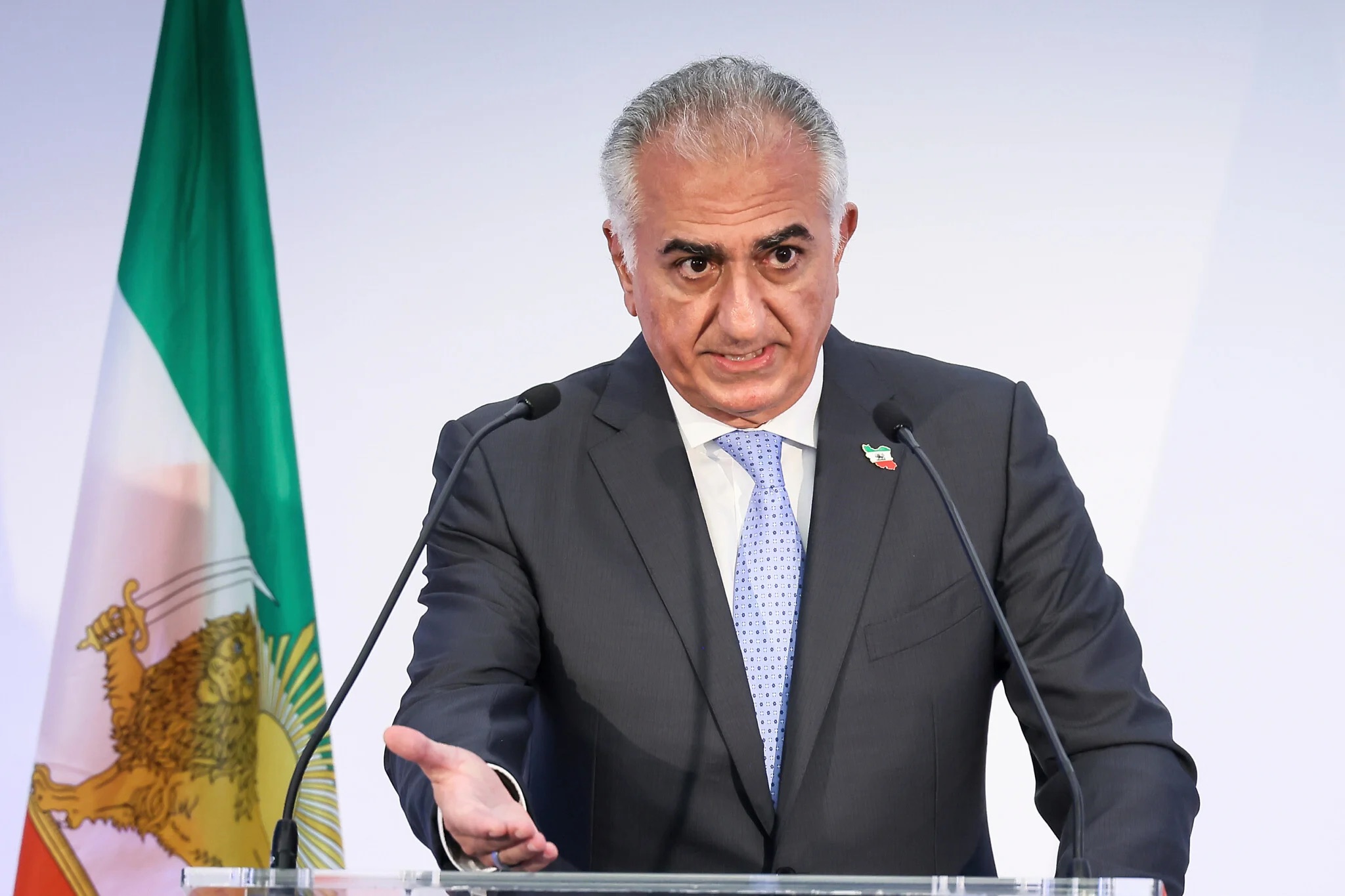
Today, January 14, for more than eight days the Iranian people have been standing with empty hands in squares and streets across cities throughout Iran, facing live ammunition.
Dozens of young people have been killed. Families are mourning their children and burying their loved ones, yet they have not abandoned the streets. In the midst of grief, these people have stayed their course and, with remarkable courage, have conveyed their demands clearly and openly to the world.
They are not merely protesters; they have a clear demand. They want regime change. With one unified voice they have shouted “Death to Khamenei,” and at the same time, with the chant “Javid Shah,” they have declared not only the name of a future leader but also the form of the national government they seek. This chant is a conscious choice: both a rejection of four decades of ideological religious rule and a clear vision for Iran’s future.
After 47 years of enduring executions, rape, hunger, mass killings, and repression, the people have reached a collective understanding that the only path to Iran’s liberation is a return to a national monarchy.
Despite this, it is striking that parts of the global media initially attempted to censor these voices or reduce them to merely economic protests. There was an effort to silence the will of a nation that has risen up through headlines and framing. This is a nation that has paid the price of censorship with its lives for 47 years, both inside the country and in exile. The fundamental question remains: how can those who have spoken for years about human rights remain silent in the face of such a catastrophe?
At the same time, regional developments have affected the internal balance. During the twelve-day conflict involving Israel and Ali Khamenei, the regime’s focus on external threats inadvertently reduced the intensity of domestic repression. This time, the Islamic Republic was unable to bring in suppressive forces from Iraq, Syria, Lebanon, and Yemen as it had done in the past when it was able, I emphasise, in a single day, to kill more than 1500 people.
On the international level, as protests and strikes expanded, the position of the United States government became more explicit. Support for the Iranian people and warnings to the ruling regime in Tehran carried a clear message: the world cannot ignore the will of a nation demanding freedom. In this context, the statement by US President Donald Trump, urging Iranians to continue protesting and emphasising that those responsible for crimes would be held accountable, had significant political and psychological importance for the protesters.
At the same time, Reza Shah II, the leader of Iran’s national movement, through repeated calls and clear guidance on sustaining protests and holding the streets, injected new energy into the movement. He released a transition plan a detailed program developed over many years which also made it clear to foreign observers why a large part of the Iranian nation considers him its leader and is paying the price of that choice with blood in the streets.
The turning point of these days, however, was January 12, when Iran experienced one of the darkest chapters of its modern history. The nationwide shutdown of the internet and electricity in many cities was not a technical or security measure, but a cover to hide the truth. A truth that, two days later, was revealed in a stark and horrifying way through videos and reports: the massacre of people in the streets.
According to figures now released, around twelve thousand Iranian citizens were killed during this short two-day period. By any human standard, this is a full-scale catastrophe. Streets turned into bloodbaths. Unarmed civilians, whose only demand was to reclaim their dignity, identity, and future, were targeted. This was neither a “clash” nor “crowd control,” but an open and unprecedented crackdown on a nation that no longer accepts hiding its Iranian identity inside their homes just to survive.
Despite this massacre, on January 14 the streets once again filled. People exposed their chests to bullets and, with clenched fists, shouted “Javid Shah.” This was not a cry of surrender, but the voice of a nation that has decided to stand, even if the price is life.
In a world with 57 Muslim-majority countries, where many who claim to defend human rights feminists and left-wing groups included, have remained silent, the world must know that the Iranian nation stands proud.
After decades of identity distortion and imposed fear, people have returned to their true essence: being Iranian. What is happening in Iran today is a test for the world’s conscience. History will remember not only the perpetrators of these crimes, the Islamic Republic regime, leftist groups, and the Mujahideen, but also those who chose silence.
Leila Naseri is an author, composer, and social cultural activist.
comments