



Three years on, Israel faces a different reality
Since October 7 the Albanese government picked a side and sadly it's not Israel.
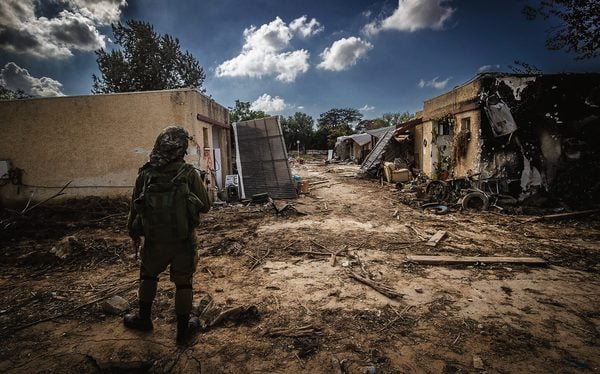
The October, 7, 2023 Hamas-led attacks from Gaza saw the massacre of over 1200 Israelis and the abduction of 251 hostages. This week marks the third anniversary of the deadliest single massacre of Jews since the Holocaust.
Tal Becker is an experienced Israeli peace negotiator. Becker points out that in the Middle East there are no solutions. What you want to try to do is exchange your current set of problems for a somewhat better set of problems. Are Israel’s current set of problems better than in the three years after 7 October? In many ways, the answer is yes.
Take Israel’s southern borders. Last October I visited kibbutz Kfar Aza, about a kilometre from the Gazan border. Around 250 terrorists invaded the kibbutz on the morning of October 7, 2023. Prior to the massacre, the kibbutz had 950 residents. There were only a handful of residents when I visited. The kibbutz estimates that about 70 per cent of residents will return by the end of 2027. The Gaza front has stabilised. There’s been no rocket fire for a year.
I also visited Israel’s northern border areas with Lebanon. Residents had been evacuated for their safety. Post-October 7 Israel has taken the Hezbollah bull by the horns: Hezbollah has lost all its senior leaders. It’s not defeated, but it is no longer an existential threat. Hezbollah has been pushed far enough from Israel’s border to allow for the resumption of normal life in Israel’s northern border communities. Lebanon has been brought closer to assembling a national plurality that wants to deal itself out of wars with Israel with direct Israel and Lebanon talks taking place.
When it comes to the Iran war and the Persian Gulf it is obviously a mixed bag. Iran’s blockade of Hormuz, the Houthis’ blockade of the Red Sea and Iranian strikes on regional oil infrastructure have increased energy costs for many countries.
comments