



Tu b’Shevat: horticulture, minhag and halachah
“There are four dates known as Rosh Hashanah … on the first of Shevat is the new year for trees, these are the words of Beit Shammai; Beit Hillel say on the fifteenth. (Mishnah Rosh Hashanah 1:1)
Tu b’Shevat higiah, chag ha’ilanot – Tu b’Shevat has arrived, the festival of the trees.” (A popular Hebrew folk song dating back to the pre-State of Israel era.)
Those who received their earliest Jewish education in Australia in the late 1940s and the 1950s might well recall the many Israeli (or should one say Palestinian, for such was their nationality on their passports) Hebrew-speaking kindergarten teachers whose Zionist background led them to treat Tu b’Shevat (Shevat 15) as one of the most significant of our holidays.
We all received a good grounding regarding kibbutz (and mo-shav) life and the agricultural elements of the fledgling Israeli economy – especially oranges. We learnt and sang songs such as the one whose words appear above. And on Tu b’Shevat together with those teachers or the then madrichim of the Zionist youth movements, some visited the hachsharah farm in outer suburban Melbourne and of course we planted trees in school and shule grounds (few of which, sadly, survived). In fact it would be some years before Yom Ha’atzmaut overtook Tu b’Shevat as the date for celebrating Israel.
But of course Tu b’Shevat, as per the above cited Mishnah is essentially for halachic purposes the new year for trees. Given that it falls in the midst of the northern winter when deciduous fruit bearing trees are bare, it serves as an appropriate date for the division of seasons for halachic purposes particularly those relating to tithing and the law of orlah, the prohibition of eating the produce of a fruit tree during the first three years of its growth.
In that context, in the Diaspora where such laws (other than orlah) hardly applied and as for so many life and livelihoods generally ceased to be horticulturally based, as is so often the case regarding halachah where a hiatus leaves space, in this instance too minhag came to supplant halachah.
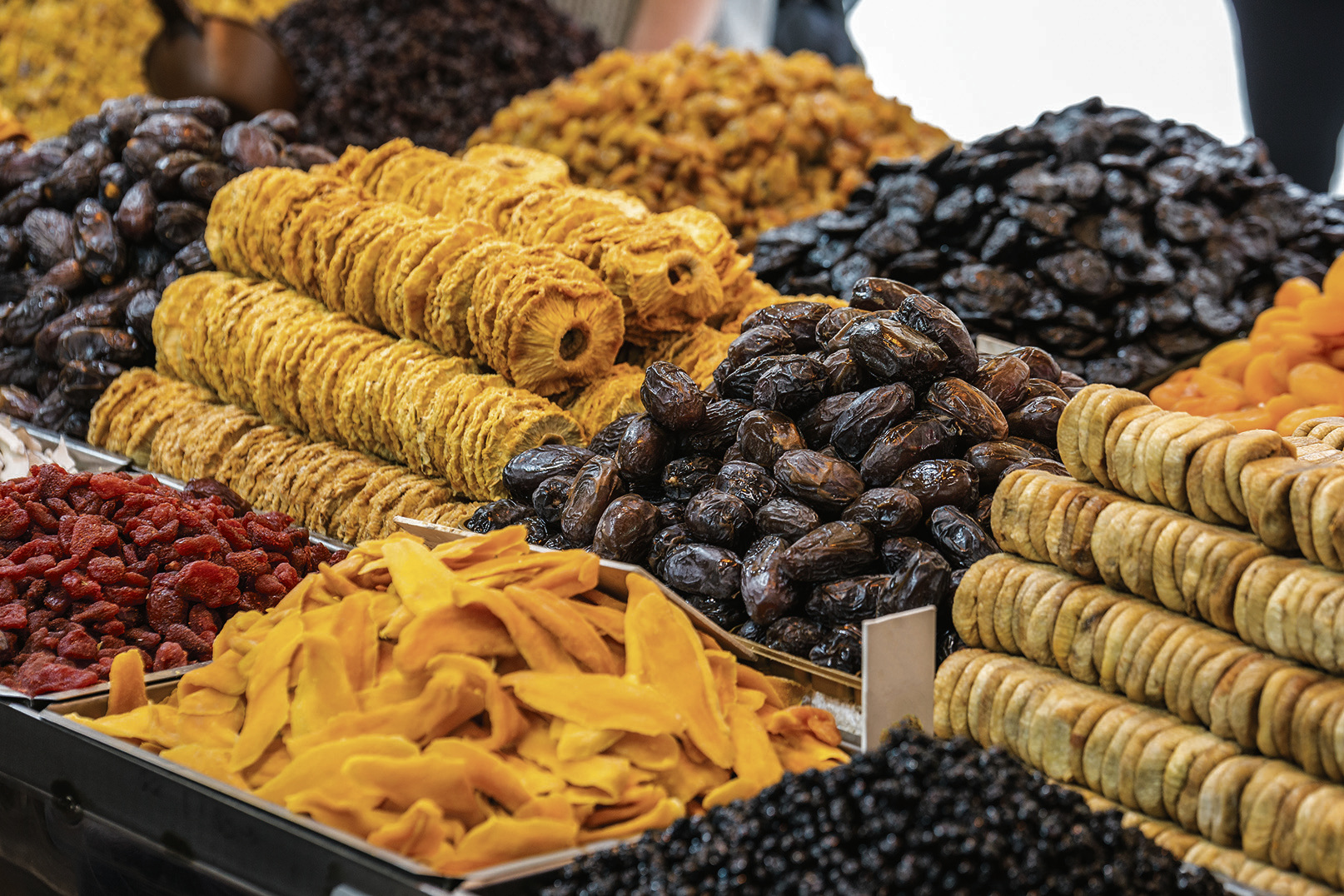
Thus custom seeking preservation of the date’s significance adopted the eating of fruit, especially fruits of Israel, as a key practice. Emphasis was placed on figs, grapes, pomegranates, olives and dates – as well as the etrog which was not discarded after Succot, but made into preserves eaten on Tu b’Shevat. And where fresh fruit were not available dried figs, dates and raisins filled the gap. That is the origin of the custom widely adopted even today to consume dried fruits even as fresh fruits are now available.
However, more recently the significance of Tu b’Shevat has expanded beyond its halachic implications and ceremonies associated with eating fruit to making it the festival of nature lovers and environmentalists – whose philosophies also have a place in our religious thought and practice.
Interestingly even the sages of the Talmud saw a connection between Tu b’Shevat and the annual rainfall cycle; there is reference in the Talmud to Tu b’Shevat being set at the time when “rov gishmei hashanah – most of the rainfall of the year” (that in Israel falls only in winter) has actually occurred.
I suggest however that there is another aspect to consider relevant to celebration of trees and farming. As indicated above, its origins relate to the agricultural halachot which make up one sixth of the Mishnah – the Order of “Zeraim”. Today we tend to forget the extent of the relationship between agriculture, the agricultural cycle and halachah. But perhaps the following might awaken realisation of its significance.
comments