



We don’t need to agree before building bridges
Esther Takac argues that working on shared priorities could build trust between Jewish and Arab parties.
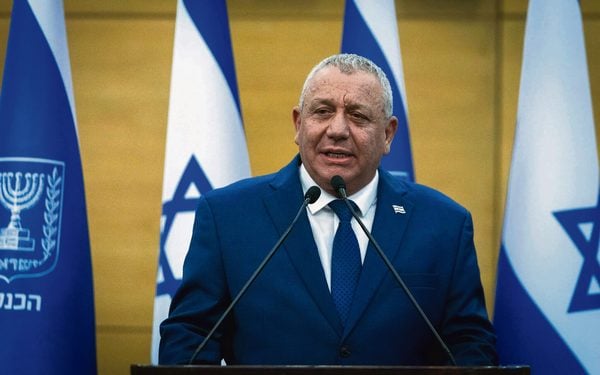
Gadi Eisenkot faces formidable obstacles in forming Israel’s next government. Beyond political differences, Jewish–Arab partnership faces deep mistrust and longstanding taboos.
These divisions reflect decades of conflict and pain, intensified by October 7 and the devastating war that followed.
As a psychologist who works with trauma, I know that fear can narrow our capacity to understand the perspectives and experiences of others. When people feel profoundly threatened, they understandably prioritise safety and security. Fear also heightens mistrust, reinforces divisions and can make it harder to recognise the suffering and legitimate concerns of those we see as adversaries. These are human responses that affect communities on all sides of the conflict.
Professor Youssef Masharawi of Tel Aviv University recently asked: how can Arab citizens be welcomed as voters needed for political change, while their elected representatives are considered unacceptable partners in government?
There are genuine and profound disagreements between the parties over national identity, security, the war and the future of the Israeli–Palestinian conflict. These cannot simply be wished away. Recognising the equal political legitimacy of Arab citizens does not mean endorsing any particular coalition arrangement.
comments