



Weighing up halachic laws in daily life
Understanding measurements is essential to the proper fulfilment of so many mitzvot.
On four of the seven Shabbatot before Pesach, we read an additional piece from the Torah beyond the parashah of the week. The first, this week, is Shabbat Shekalim, when we read the command to make an annual contribution of half a shekel towards the cost of the maintenance of Temple services.
In ancient times the declaration regarding the need to pay the half- shekel was made on Rosh Chodesh Adar and it was to be paid within 30 days. Hence we read about it on the Shabbat on or before Rosh Chodesh Adar.
Although in most synagogues that is the only change to occur in this week’s Shabbat service, that is actually not the whole story. While there is a basic framework for all services the year round, on Rosh Hashanah and Yom Kippur many poetic and Midrashic insertions add meaning to the service relevant to the themes of the day.
Those who use machzorim rather than a siddur on the other festivals will similarly be aware that albeit that such insertions also exist for those days, most contemporary synagogues in Australia do not have the custom of reciting the extra pieces.
What is less well known is that there are similar insertions for each of the special Shabbatot before Pesach which are based on the Midrash and add much to the context of the particular Shabbat. Some are included in the popular Artscroll siddur though sadly, once again they are not widely recited.
As indicated by its very name, derived from sh’k’l, the Hebrew root for weight, the shekel coin was essentially a weight of silver. Thus when Abraham purchased the Cave of Machpelah we are told: “Vayishkol Avraham … and Avraham weighed out for Efron the 400 shekels of silver.” (Bereshit 32:15)
However beyond the shekel, Talmudic law encompasses a whole system of weights as well as coinage. And the same applies in regard to measures of time, length and volume, each of which have halachic implications as well as implications for everyday life. Examples of halachic implications include the shiur (quantitative measurement) of the size of a kiddush cup, how much matzah is to be consumed at the seder, the maximum amount that can be consumed on Yom Kippur without breaking the fast, how long before sunset Shabbat might begin, the minimum size of a Succah and how far one may walk beyond a city boundary on Shabbat. The last piece of the additional insertions prescribed to be recited before the Kedushah of shacharit of Shabbat Parashat Shekalim, provides an instructive and comprehensive summary of the totality of this halachic system of weights and measures.
As an aside, one might add that even measurements related to everyday life have halachic implications. The Torah prescribes that one must have and use in commerce correct weights and measures; the adjective used in regard to correct measures being “tzedek – righteous”. From a Torah perspective, one who does not have or use correct measures is very much the opposite of righteous.
However, given the existence of a comprehensive halachic system of measurement, how come that regarding many halachic matters we are aware of dispute rather than a single view regarding the appropriate measure?
Views regarding the requisite capacity of a kiddush cup range from 86ml to 150ml. Similarly there are significant variations of opinion in regard to the quantity of matzah and maror to be eaten at the seder, or the size of a break in the pole supporting an eruv that disqualifies the eruv from being kosher. Why?
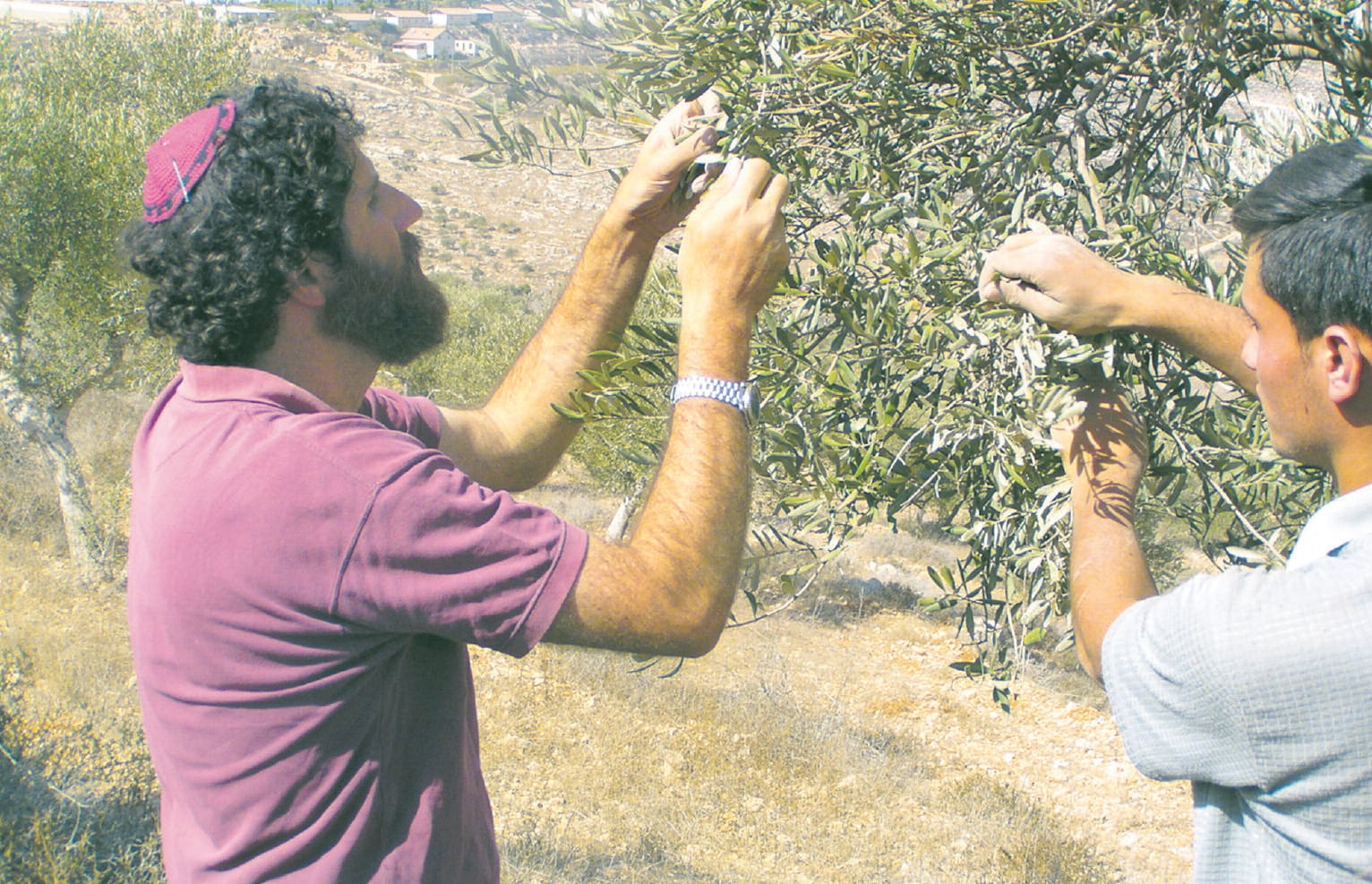
The answer is that although halachah specifies measurements, differences arise when the halachic units of measurement are translated into contemporary units. Measurements prescribed as the volume of an egg or olive are not easily translated into ounces or cubic centimetres. Both eggs and olives vary in size and perhaps over time their measurements have changed. Similarly, what is a handbreadth – whose hand?
And another factor also enters the equation. In order to ensure that laws are not transgressed we may adopt a larger measurement when we want to ensure use of not less than the requisite amount (for example, matzah at the seder), and a smaller measurement when the focus is on not exceeding the particular measure – for example, the amount to be consumed on Yom Kippur if necessary but without breaking its laws which primarily prohibit “eating” but not minimal “nibbling”.
So, for example, given that natural olives vary significantly in size, the prescribed equivalent of “the size of an olive” used in one context (perhaps the smallest option) may vary from that used in another option (the largest option).
No wonder that halachic mathematics is far from a simple topic. That was a reality I learnt many decades ago when I studied at Yeshivat Kol Torah in Jerusalem. A feature of Shabbat Shekalim in our yeshivah was a lecture on this subject by Rabbi Dr Yonah Merzbach, one of the editorial experts of the Encyclopedia Talmudit, who had a doctorate in mathematics in addition to his extensive rabbinic qualifications. Indeed as we learnt there Shabbat Shekalim is an ideal time to reflect on this fascinating aspect of halachah.
Shabbat shalom,
Yossi
comments