



Who is permitted to stop wandering?
The Gilgul, developed by Dr Myer Taub and Aliza Levi, features Taub, a doyen of theatre visiting from South Africa, embodying nine successive characters.
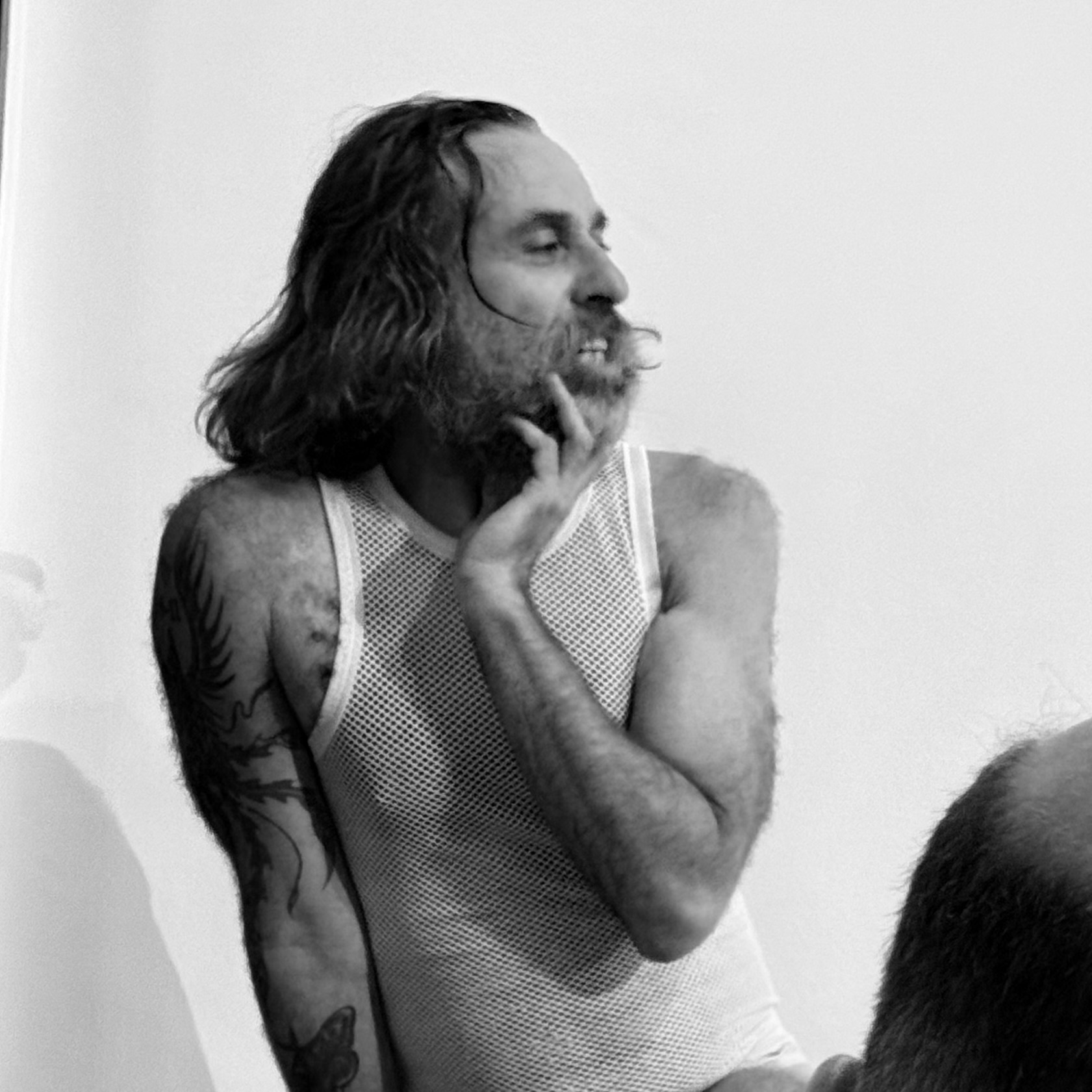
Who can find rest in these fraught times? The dead? Or do they remain haunted by past experience and the possibility of future trauma?
In Jewish tradition, some souls are condemned to wander the earth, wrenched from body to body until they have learned and relearned the lessons of their lives.
The Gilgul is set in the rooms of the Chevra Kadisha. A feather is floated above the dead man’s nose to ensure that no breath remains before burial. But the ghost of the man just interred is there, waiting to tell his story. And we wait with the shomer, whose job is to watch the dead transition to the grave and watch with mounting tension as the tale unfolds.
The Gilgul, developed by Dr Myer Taub and Aliza Levi, who have worked together as Blizzard Productions through the years, is masterful. Hosted and performed at The Goldstone Gallery, Dr Myer Taub, a doyen of theatre visiting from South Africa, embodies nine successive characters with grave physicality and precision. He is as convincing as a leech as he is as the gilgul himself: from donkey to banker, from cantor to critic. “Gilgul, Gilgul, Gilgul Ha’neshamot. The circle of souls; the circle of souls.”
Through dark humour, we are brought face to face with the contrast between the gilgul’s corrupted appetites and the shomer’s modest search for safety—the security of home so often denied to Jews across history.
comments