



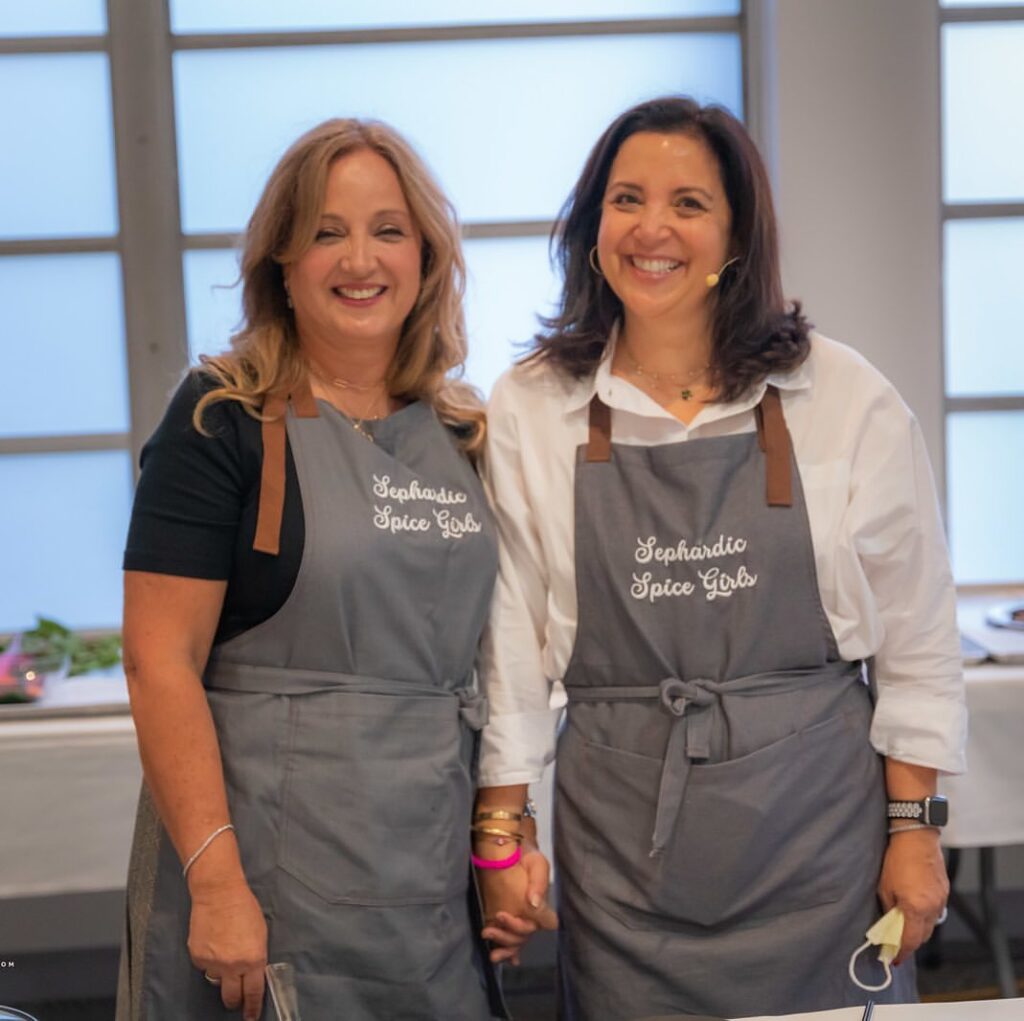
When I sat down with Sharon Gomperts and Rachel Emquies Sheff, it was like having a conversation with family. We chatted about food, heritage, the Sephardi community in Australia and around the world. And we talked about recipes that are so familiar to me, I can almost taste them. Our shared heritage made us all smile, as we recalled what food has meant, and continues to mean, to our community.
When Gomperts and Sheff say cooking is in their blood, they really mean it. Gomperts, while born in Tel Aviv, has Baghdadi heritage and Sheff was born in Casablanca to a Spanish Moroccan family. Together, they make up the Sephardic Spice Girls on Instagram. They both also recently discovered that their heritage is steeped in food.
“My father’s father had a spice shop in Morocco,” Sheff told The AJN over video chat from their base in Los Angeles, before throwing the conversation over to Gomperts.
“My grandfather in Baghdad, my paternal grandfather, was a food wholesaler. So he sold dates, and wheat, and barley and all different things. So we’re not spice girls for nothing,” Gomperts laughed.
The Sephardic Spice Girls started with Sheff’s desire to publish a cookbook. The women, who have been friends since they were teenagers and have raised their families alongside each other, started a food column together when Sheff approached the then editor of The Jewish Journal in LA to humbly explain to him that the column at the time was less than desirable. His answer? Bring Sheff on board to do better.
“I thought to myself, ‘look, I can cook, but I can’t write. I better call Sharon’,” Sheff recalled. Their first article, which covered something from both of their heritages – Moroccan dafina and Iraqi t’bit – received such a positive response, that the editor told them to keep going.
And then the world shut down with COVID. But the pair kept cooking.
“We cooked through COVID,” Gomperts said. “It was so fun and we were so lucky to have this passion project.”
“That kept us busy, which was really nice,” Sheff agreed. “It gave us something to look forward to every week.”
“It feels so satisfying to be able to make something that my mother made for us, or my grandmother. It’s really satisfying to give that to my children. And also just sitting around the table and seeing my family, my friends, enjoying the food. It’s so nice to be able to gather…”
It’s also what spurred their Instagram page, The Sephardic Spice Girls, when they decided to post the photos and explanations on social media.
“I’m recording my grandmother’s recipes, Rachel’s recording her mum’s recipes. And even if we just do it for our daughters, that’s enough” Gomperts said. In reality, the pair are sharing their recipes and their histories with so many more people than just their children.
They explained that many people have reached out to them saying how grateful they are to see recipes on Instagram that they thought they had lost.
“People are like ‘wow I never thought I would get this recipe, my grandmother used to make it and I never thought I would be able to make it’,” Sheff explained, admitting though that sometimes quantifying the ancient recipes that have been passed down for generations can be quite tricky.
“A lot of the recipes are ‘a glass full’ but what size was their glass? Some Moroccan books actually use an eggshell of oil. What?,” Sheff laughed.
Gomperts explained that this is simply intuitive cooking. How much salt they would like to use may differ from the person making the recipe. She admitted though that people need the precise measurements, which has been an exercise for both of them as they try to nail down the recipe properly for followers.
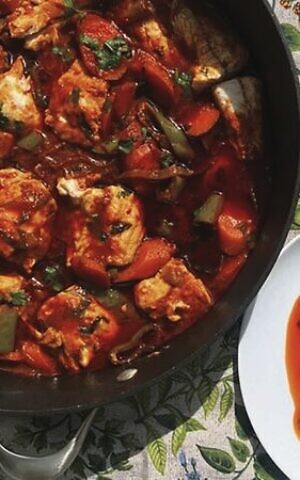
For both Gomperts and Sheff, sharing their Sephardi and Mizrahi heritage is the most special part of what they do.
“We work really hard because we want to make sure that people understand these recipes are so special, they mean something,” Sheff said, with Gomperts adding that she appreciates the discipline of writing down the family stories and history.
“I love being able to tell these stories and share,” Gomperts said. “Food binds us and food brings us together. And being able to write every week another little story and giving a little vignette. I think that’s what we do.”
“Almost all of our recipes have a purpose,” Sheff added. “This was something I ate when I was little when I came home from school… Everything has a story, and we want to record that and have that history down so it doesn’t get forgotten.”
As for how they work together, both said it’s a highlight.
“I love learning from Rachel,” Gomperts said. “I do learn so much. She has technical proficiency.”
For Sheff, it’s about enjoying her time with her friend.
“I work a lot, and I’m always on high-stress levels. And when I’m with Sharon, I just get to laugh and relax, and it’s just happy. We’re very creative. We have fun together. It’s just a happy time,” she said.
Both Gomperts and Sheff also said that it has been food that has brought them joy in the happy times and comfort in the tougher times. Gomperts spoke about the time they made kuba – a traditional Iraqi semolina meatball – for her father’s shloshim.
“It was like it was pre-programmed in our hands, especially in my hands because I’d been watching my grandmother do it since I was a little girl,” she recalled, saying their food has been by their side during weddings, baby showers, the joyful times and sad. “Food has been the love language,” Gomperts said.
And through it all, it’s the memories that the food evokes.
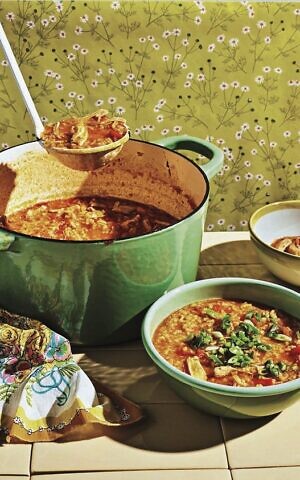
“It feels so satisfying to be able to make something that my mother made for us, or my grandmother. It’s really satisfying to give that to my children. And also just sitting around the table and seeing my family, my friends, enjoying the food. It’s so nice to be able to gather,” Sheff said, with Gomperts agreeing, adding, “It’s food for the body, but food for the soul.”
For the Sephardic Spice Girls, Gomperts and Sheff want to see the channel continue to grow, organically through simple connections. When asked what they hope the future holds for them on Instagram, they replied simply.
“What we’re doing right now. Spreading it so that people say ‘wow I used to eat that when I was little’ or ‘my grandmother used to make that, I can make it now. I’m going to make it for my kids’,” Sheff explained.
For Gomperts, it’s also about making the kitchen a safe space.
“We want you to know that you can do this,” she smiled, saying she’s delighted that they can bring people along for the ride in their kitchen. “Sometimes it feels like an echo chamber, we don’t necessarily get the feedback. But we’re so proud, especially at this time in Jewish history, we’re so proud that we’re a little voice saying ‘welcome to our little tent’.”
Quick Questions
1 . What’s your favorite food to eat?
Sharon: Kubbah – kubbah bamia (okra), kubbah shwandar (beet) and the fried kubbah, potato and burghul
Rachel: Moroccan potato pastel
2. What about favourite food to cook?
Sharon: I love making salads. I love creating nourishing, edible works of art. An Israeli salad with a medley of heirloom cherry tomatoes, ruby red pepper, purple onion, bright green Italian parsley. A Southwestern salad flecked with corn, black beans, orange & yellow peppers, green onion, cucumber and avocado garnished with crispy tortilla chips.
Rachel: I really enjoy baking bread – challah or sourdough.
3. Rice or couscous?
Sharon: Rice
Rachel: Couscous
4. Celebrity you’d love to cook for?
Sharon: Sarah Jessica Parker
Rachel: Amy Schumer
5. Strangest dish you’ve ever cooked?
Sharon: Gefilte Fish
Rachel: Calf brains with egg lemon sauce
Follow Sephardic Spice Girls on Instagram: @sephardicspicegirls.
November is Mizrahi Heritage Month, celebrating and honouring the traditions of Jews from the Middle East, North Africa and Asia.
comments