



Health sector struggles to respond
Healthcare's response to antisemitism was laid bare at the Royal Commission, with evidence of hidden identities, dismissed complaints and system gaps.
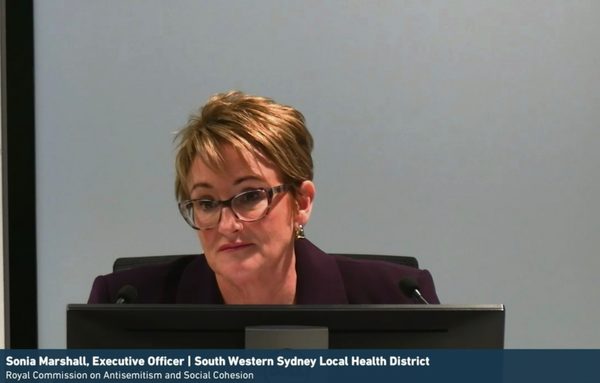
The Royal Commission on Antisemitism and Social Cohesion shined a spotlight on the healthcare sector in sessions on July 29 and 30, exposing a system struggling to respond consistently to antisemitism.
Evidence was given of Jewish patients concealing their identity, doctors reporting a “revolving door” of dismissed complaints, and regulators divided over whether to adopt a common antisemitism definition.
Jillian Segal, the Special Envoy to Combat Antisemitism, told the Commission that Jewish and Israeli patients were “very scared to go into hospital” and were avoiding disclosing their identities.
She called for a national health taskforce to coordinate the “disparate and dispersed” system, modelled on the UK’s response to the Lord Mann report.
The Commission was informed that JewishCare NSW fielded more than 1,000 calls to its emergency triage line in the six weeks after the Bondi attack.
Its CEO Lawson Broad described clients giving false addresses to rideshare drivers to hide they were attending Jewish events, while its president Ben Bolot said “victims of antisemitism should not be required to educate the systems they turn to for support.”
comments